Situated at the eastern edge of the Mediterranean Sea, Cyprus benefits from one of Europe's sunniest climates, recording more than 300 days of sunshine annually according to the Cyprus Tourism Organisation. Summers are long and dry, winters mild, and the shoulder months of spring and autumn provide comfortable temperatures suitable for outdoor activity without the intensity of peak-season heat.
A Climate Built for Multiple Travel Styles
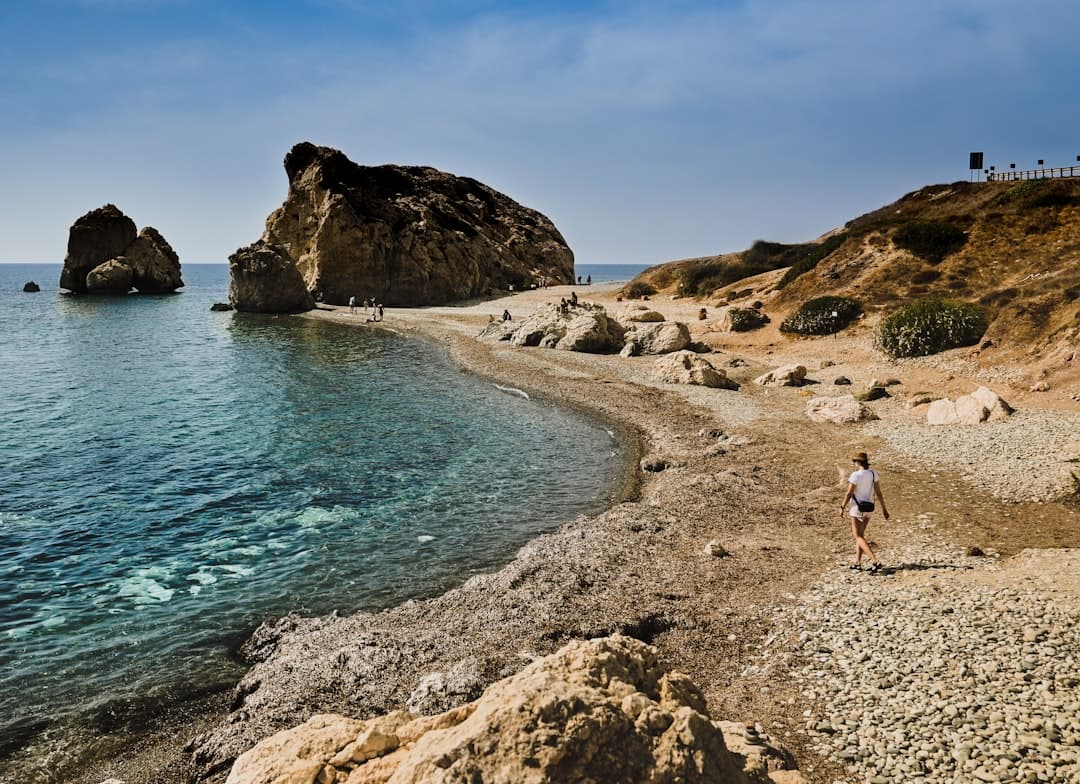
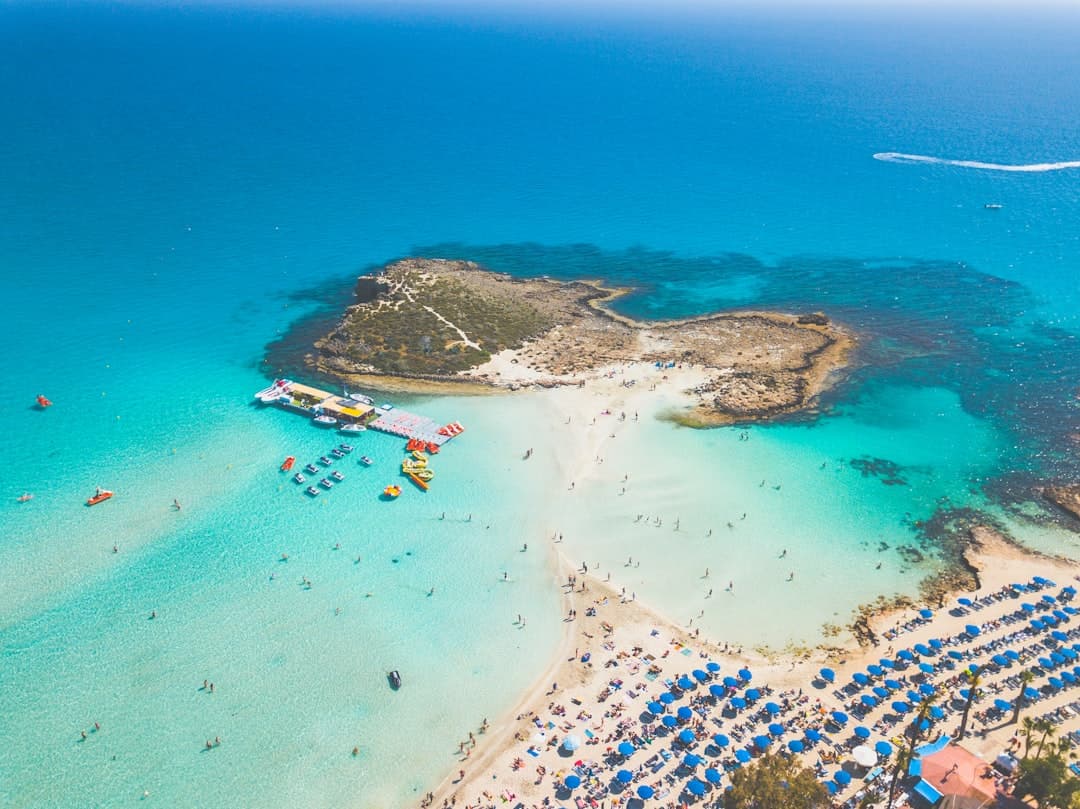
The island's topography creates distinct microclimates within a compact area. Coastal resorts such as Limassol, Paphos, and Ayia Napa offer warm sea temperatures well into autumn, while the Troodos Mountains in the island's interior receive snowfall during winter months, supporting skiing at the Mount Olympus resort. This range allows hiking, water sports, and winter recreation to coexist within the same destination.
Historical and Cultural Infrastructure
Cyprus carries layers of recorded history spanning several millennia. Archaeological sites including the UNESCO-listed Paphos Archaeological Park, the ancient city-kingdom of Kourion, and the painted Byzantine churches of the Troodos region draw visitors with interests beyond beach tourism. Museums in Nicosia, the island's capital, document Cypriot heritage from the Neolithic period through to the modern era.
Accessibility and Practical Considerations
Two international airports — Larnaca and Paphos — connect Cyprus to major European hubs through scheduled and charter services operating year-round. The island uses the euro, operates a well-maintained road network, and functions under a legal system broadly aligned with EU standards following its accession in 2004. English is widely spoken across the service and hospitality sectors, reducing logistical friction for many international travelers.
Culinary and Wellness Appeal
Cypriot cuisine, shaped by Greek, Middle Eastern, and Levantine influences, has gained recognition across European food culture. The island also hosts a growing number of wellness retreats and agrotourism properties, particularly in rural areas, which tend to attract visitors during quieter seasons when capacity and pricing differ significantly from summer peaks.
This article is based on a verified primary source. The text was editorially reviewed and fact-checked prior to publication.