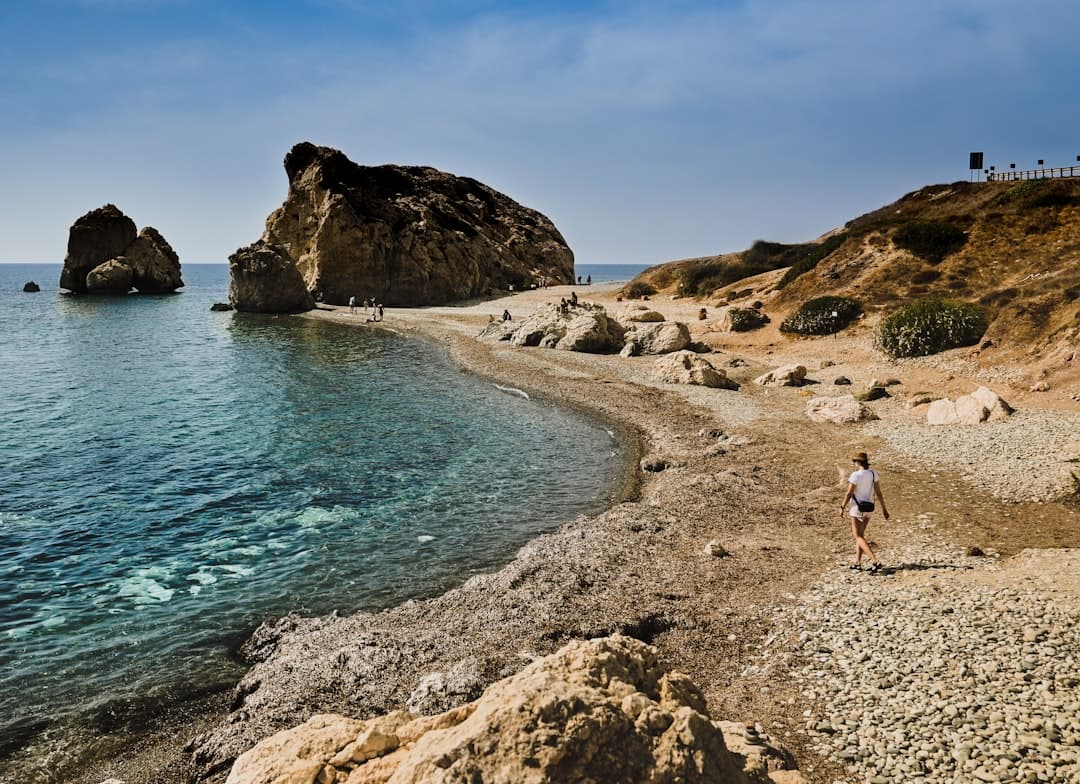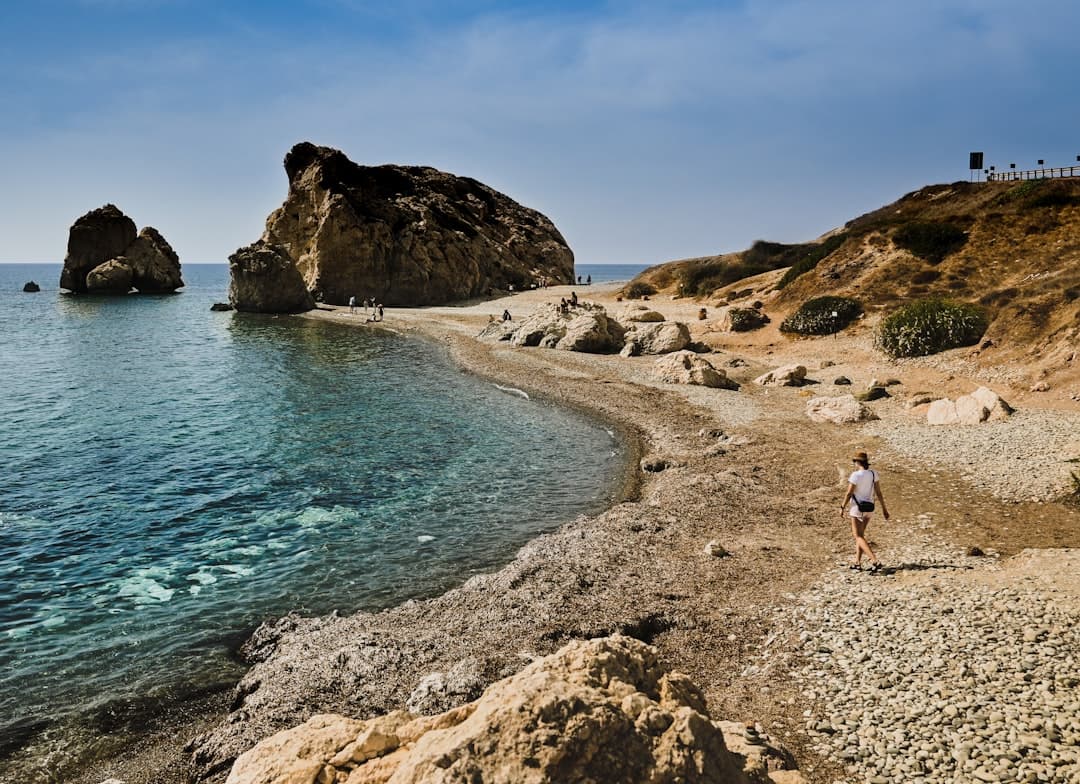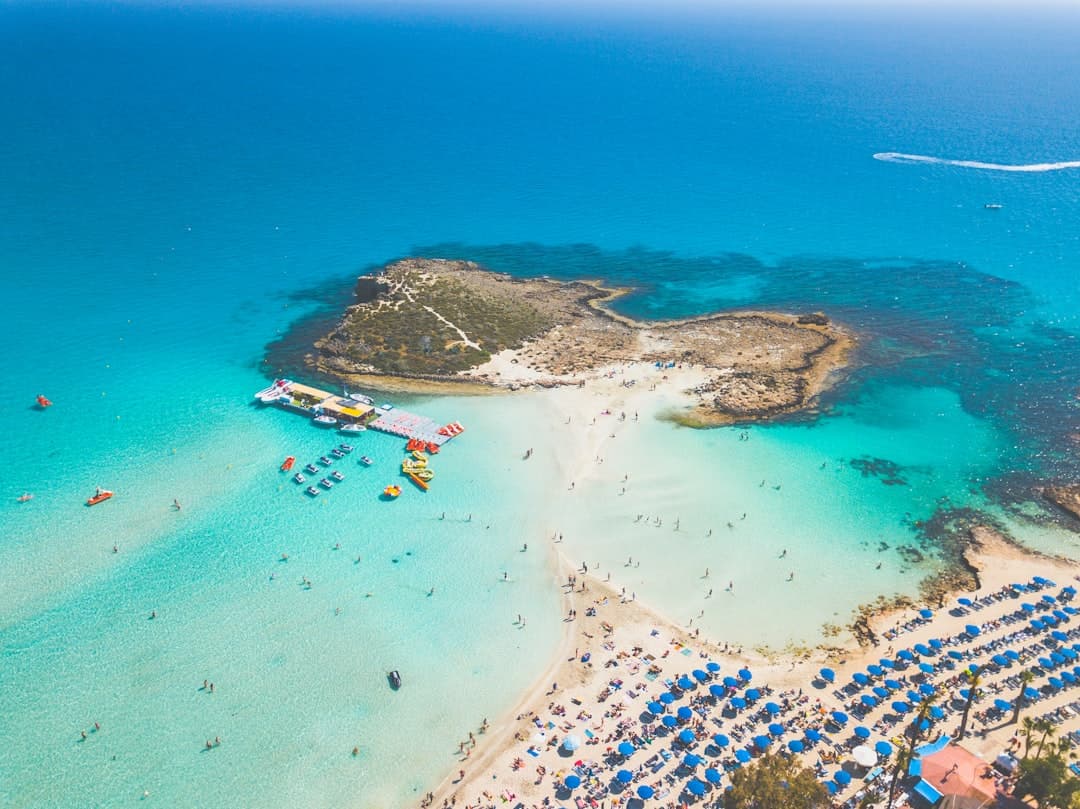
The eastern Mediterranean island of Cyprus has steadily built a reputation as one of the region's most versatile travel destinations, attracting visitors drawn by its archaeological heritage, sandy coastline, and mild climate that extends well beyond the traditional summer season.
A Crossroads of Civilizations
Cyprus carries the physical imprint of successive civilizations, including ancient Greek, Roman, Byzantine, Venetian, and Ottoman influences. Sites such as the Tombs of the Kings in Paphos, the Kourion archaeological complex, and the painted churches of the Troodos Mountains are recognized by UNESCO for their cultural significance. This layered history gives the island a depth that appeals to heritage travelers as well as those seeking beach holidays.
Climate and Accessibility
The island records more than 300 days of sunshine annually, according to the Cyprus Tourism Organisation, making it one of the sunniest destinations in Europe. International airports in Larnaca and Paphos connect Cyprus to a wide network of European cities, with flight times from major hubs remaining relatively short. The shoulder seasons of spring and autumn have grown increasingly popular among travelers seeking warm temperatures without peak-season crowds.
Infrastructure and Appeal
Cyprus operates within the European Union and the eurozone, offering travelers a familiar regulatory and currency environment. English is widely spoken across the island, a legacy of British colonial administration that ended in 1960. The hospitality sector has expanded significantly in recent years, with accommodation options ranging from luxury resort complexes along the southern coast to family-run agrotourism properties in the island's interior villages.
Challenges and Considerations
The island remains politically divided following the events of 1974, with the northern portion administered by Turkish Cypriot authorities and recognized internationally only by Turkey. This division affects travel logistics, particularly regarding crossing points between the two zones, and remains a factor travelers typically research before visiting.
Open Questions
Whether Cyprus can sustain growth in visitor numbers without placing undue pressure on its coastal ecosystems and water resources remains a subject of ongoing discussion among policymakers and environmental organizations.
Sources: Cyprus Tourism Organisation, UNESCO World Heritage List, European Commission, British Foreign, Commonwealth & Development Office.
This article is based on a verified primary source. The text was editorially reviewed and fact-checked prior to publication.