The cuisine of Cyprus, shaped by Greek, Ottoman, Levantine, and British colonial influences, has long occupied a unique position within Mediterranean food culture. In recent years, that position has gained visibility on the international stage, driven by a combination of culinary tourism, diaspora-led restaurants, and growing media coverage of the island's food heritage.
A Cuisine Defined by Geography and History
Cypriot food reflects the island's layered history. Staples such as halloumi — the semi-hard, heat-resistant cheese produced from sheep and goat milk — have achieved widespread global distribution, with halloumi now sold across supermarkets throughout Europe, North America, and beyond. The cheese holds Protected Designation of Origin (PDO) status under European Union regulations, formally recognising its geographic and cultural specificity.
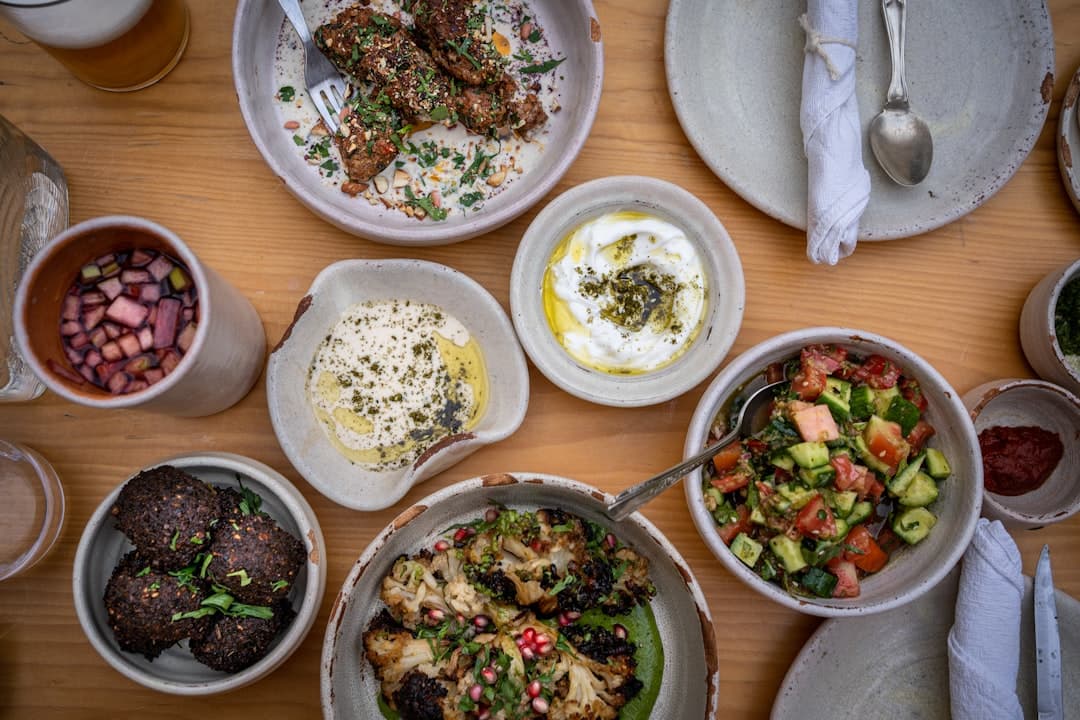
Beyond halloumi, dishes such as kleftiko (slow-cooked lamb), souvla (large cuts of meat grilled over charcoal), and meze — a spread of small, shared dishes — have become reference points for international food writers exploring Eastern Mediterranean traditions.
Tourism and Diaspora as Drivers
Cyprus receives millions of visitors annually, many of whom cite food experiences as a significant part of their travel. The Cypriot diaspora, concentrated in the United Kingdom, Australia, and Greece, has sustained a network of restaurants and food producers that introduce Cypriot flavours to new audiences across generations.
Culinary institutions and food festivals on the island have also worked to document and promote traditional recipes, contributing to broader efforts to preserve intangible cultural heritage in line with UNESCO frameworks around food culture.
Challenges in Defining Authenticity
As Cypriot food gains wider exposure, questions around authenticity and commercialisation have emerged within food scholarship and among producers. The overlap between Greek and Cypriot culinary traditions, as well as the shared heritage with Turkish Cypriot communities, adds complexity to how the cuisine is categorised and marketed internationally.
Open Questions
Will increased commercial demand affect the quality and tradition of products like halloumi? How will the island navigate the shared culinary heritage between its Greek and Turkish Cypriot communities in international branding efforts?
Sources: European Commission PDO/PGI Register, UNESCO Intangible Cultural Heritage Programme, Cyprus Tourism Organisation public materials, established food media archives.
This article is based on a verified primary source. The text was editorially reviewed and fact-checked prior to publication.