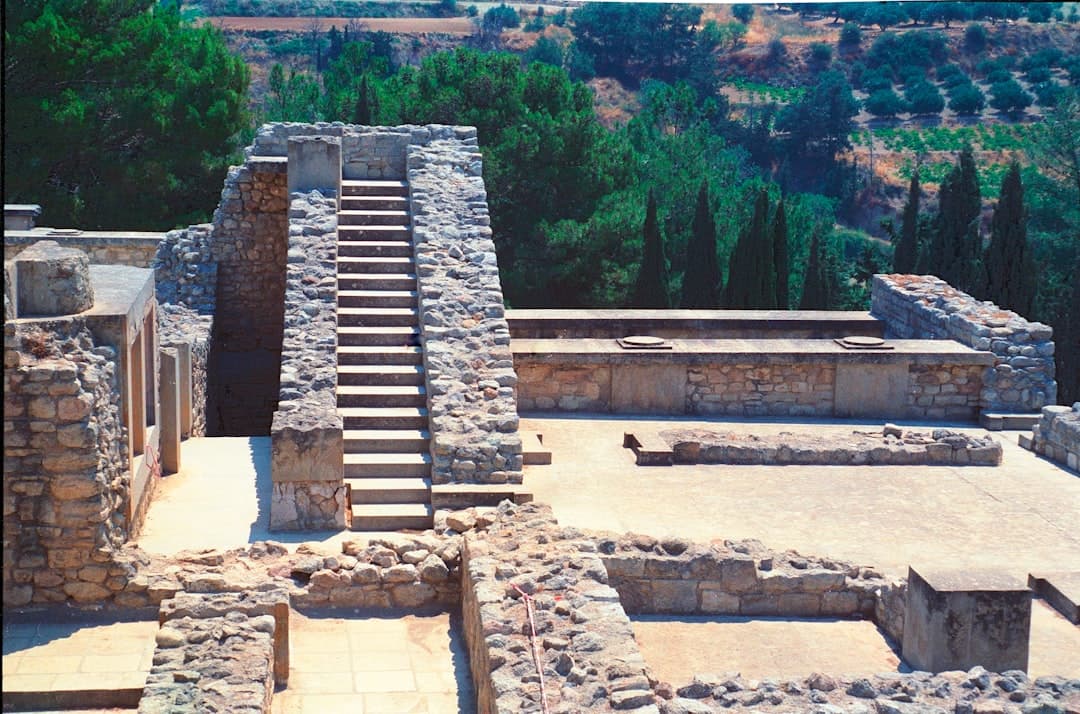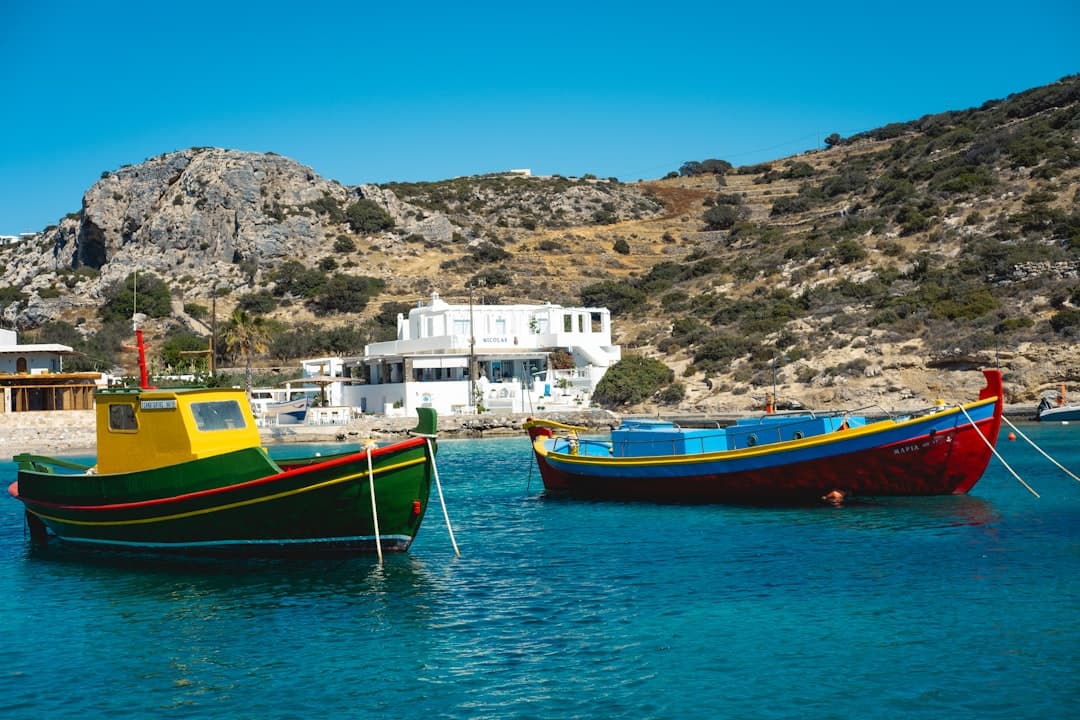
Greece's island culinary traditions, long celebrated within the country, have increasingly become a draw for international travelers seeking authentic regional cuisine rooted in centuries-old practices. From the volcanic soils of Santorini to the olive groves of Corfu, distinct island microclimates produce ingredients that form the foundation of a coastal food culture recognized across Europe and beyond.
Distinct Regional Identities
Each island group maintains its own culinary identity, shaped by geography, trade history, and local agriculture. The Cyclades are known for their fava bean dishes and fresh seafood preparations, while the Dodecanese draw heavily on Ottoman-influenced spice combinations. Crete, often treated as a culinary destination in its own right, has built a reputation around its adherence to the traditional Mediterranean diet, which includes high consumption of olive oil, legumes, wild greens, and locally caught fish.
Island producers have worked to secure protected designation of origin status for several regional products, including specific varieties of olive oil, cheeses such as graviera and ladotyri, and the fava from Santorini. These certifications, granted through European Union frameworks, have helped position Greek island ingredients within premium European food markets.
Culinary Tourism as an Economic Driver
Tourism authorities in Greece have recognized gastronomy as a pillar of the country's travel appeal. Several islands now host food festivals, cooking workshops, and farm-to-table experiences designed to introduce visitors to local production methods. Restaurants across the islands have increasingly emphasized sourcing from nearby farms and fishing communities, reflecting a broader European trend toward transparency in food origin.
Greek island cuisine has also gained visibility through international culinary media, with publications and streaming platforms featuring traditional recipes and regional producers. This exposure has contributed to growing demand for Greek food products in markets across Western and Northern Europe.
Open Questions
How sustainable is the infrastructure supporting culinary tourism during peak seasonal demand? Can smaller island producers scale operations to meet rising international export interest without compromising traditional methods?
Sources: European Commission Protected Designations of Origin registry, Greek National Tourism Organisation (GNTO) official publications, European Parliament documentation on Mediterranean diet recognition, UNESCO Intangible Cultural Heritage records.
This article is based on a verified primary source. The text was editorially reviewed and fact-checked prior to publication.