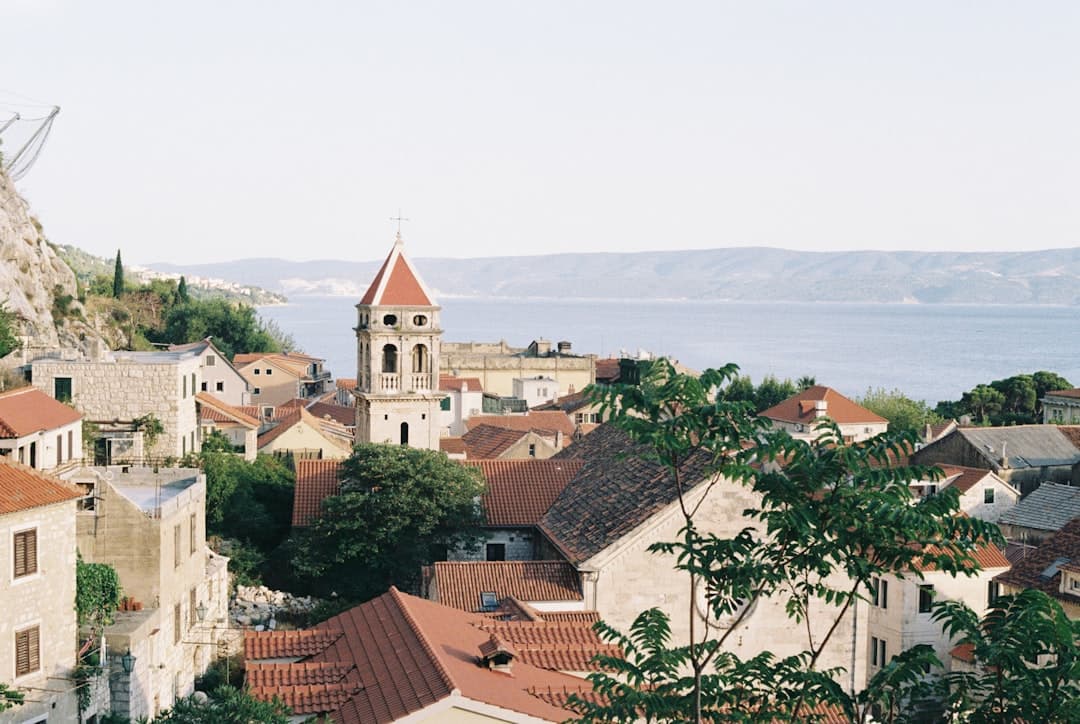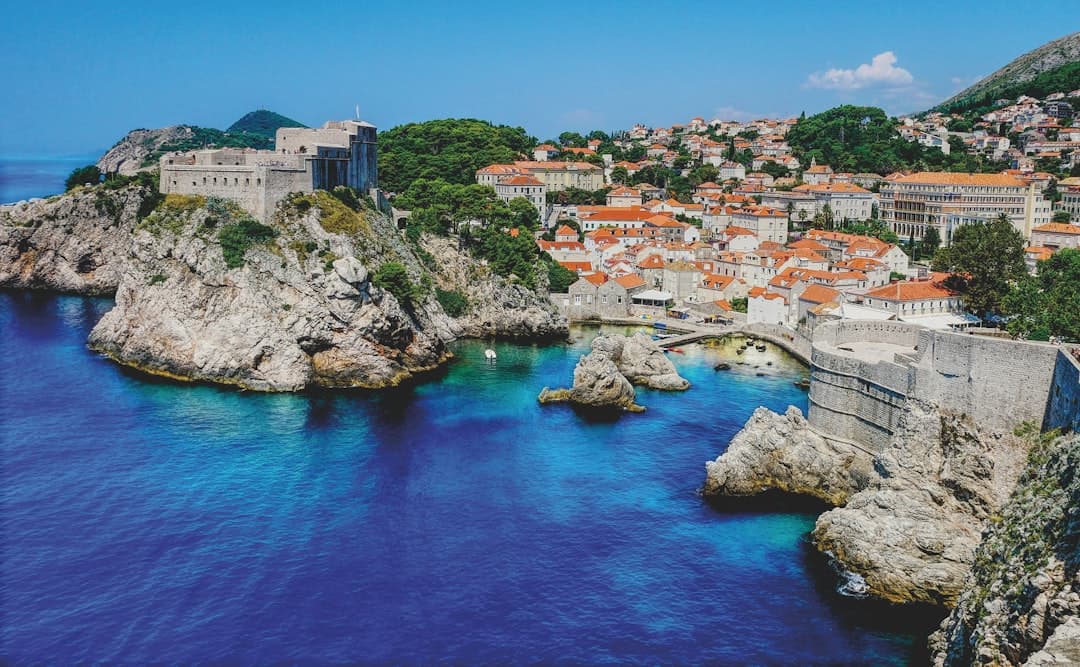
Croatia's Adriatic coastline encompasses more than 1,200 islands, islets, and reefs, according to Croatian government geographic data. The majority of international visitors concentrate on a handful of well-known destinations, leaving a significant portion of the archipelago with comparatively light foot traffic throughout the summer season.
Islands Below the Tourism Radar
Vis sits among the furthest inhabited islands from the Croatian mainland and was closed to foreign visitors during the Yugoslav period, a restriction that slowed commercial development considerably. The island retains a network of small family-run konobas, traditional stone architecture, and two main settlements — Vis Town and Komiža — both accessible by ferry from Split.
Lastovo, designated a nature park, is one of the most remote inhabited islands in the Adriatic. Ferry connections are limited, which contributes to the island's low visitor volume. The surrounding waters are recognized for their clarity and biodiversity, making the area a documented destination for divers and sailors.
Šolta lies close to Split yet receives significantly fewer visitors than neighboring islands. Olive oil and honey production have historically defined the island's economy, and a number of working estates remain accessible to visitors.
Mljet, located in southern Dalmatia near Dubrovnik, contains a national park covering roughly one-third of its surface area. Two saltwater lakes within the park are connected to the sea and are open for swimming. The island is accessible by ferry and catamaran from Dubrovnik and Korčula.
Žut and the broader Kornati archipelago are accessible primarily by private boat or organized excursion. The Kornati National Park encompasses more than 80 islands and reefs and is characterized by sparse vegetation and dramatic limestone terrain.
Access and Infrastructure
Ferry and catamaran services connecting the Croatian mainland to smaller islands are operated primarily by Jadrolinija, the state-owned maritime carrier. Schedules vary substantially between summer and off-season periods, with some routes operating only during peak months.
Open Questions
Whether increased international awareness will accelerate development pressure on currently quiet islands remains a matter of ongoing discussion among Croatian tourism planners and conservation bodies.
Sources: Croatian Bureau of Statistics, Jadrolinija official route network, Mljet National Park official documentation, Lastovo Nature Park administration, Croatian National Tourist Board geographic data.
This article is based on a verified primary source. The text was editorially reviewed and fact-checked prior to publication.