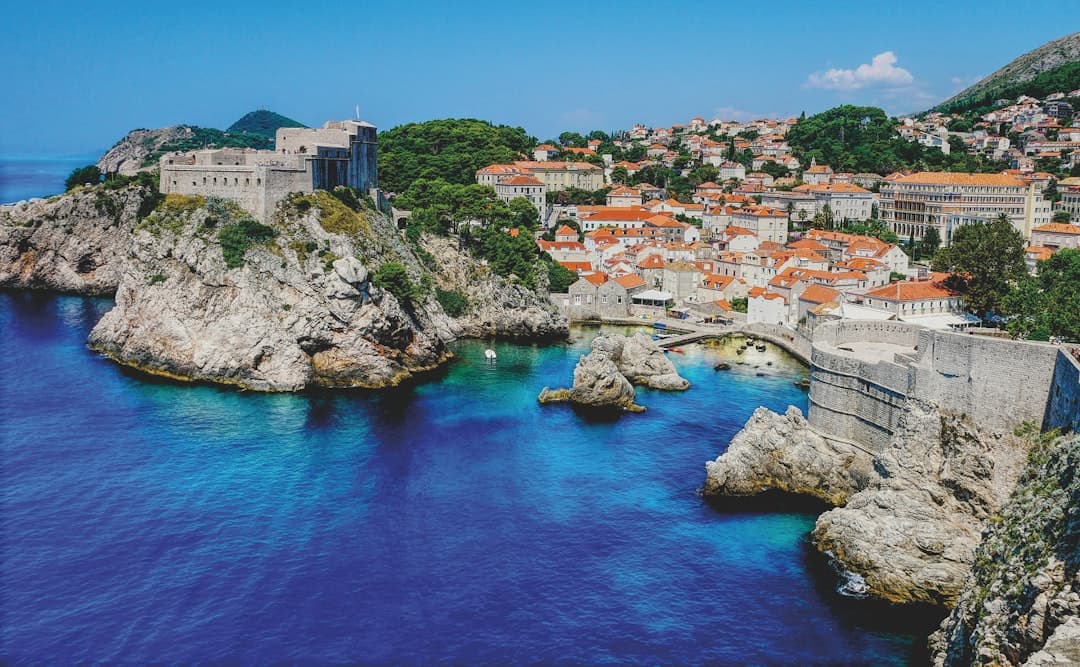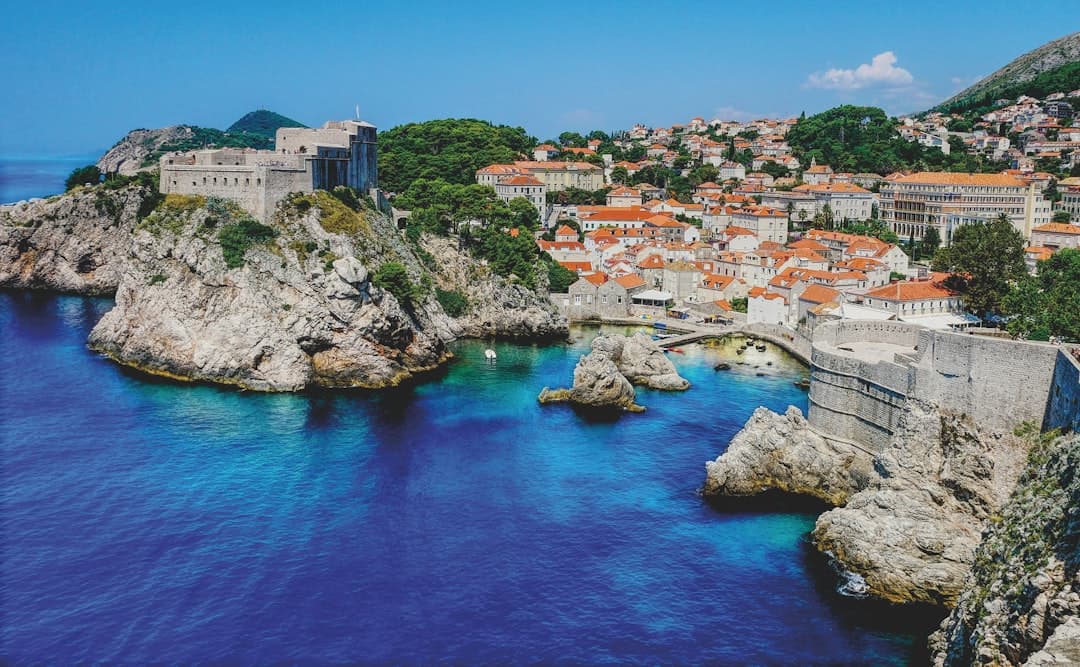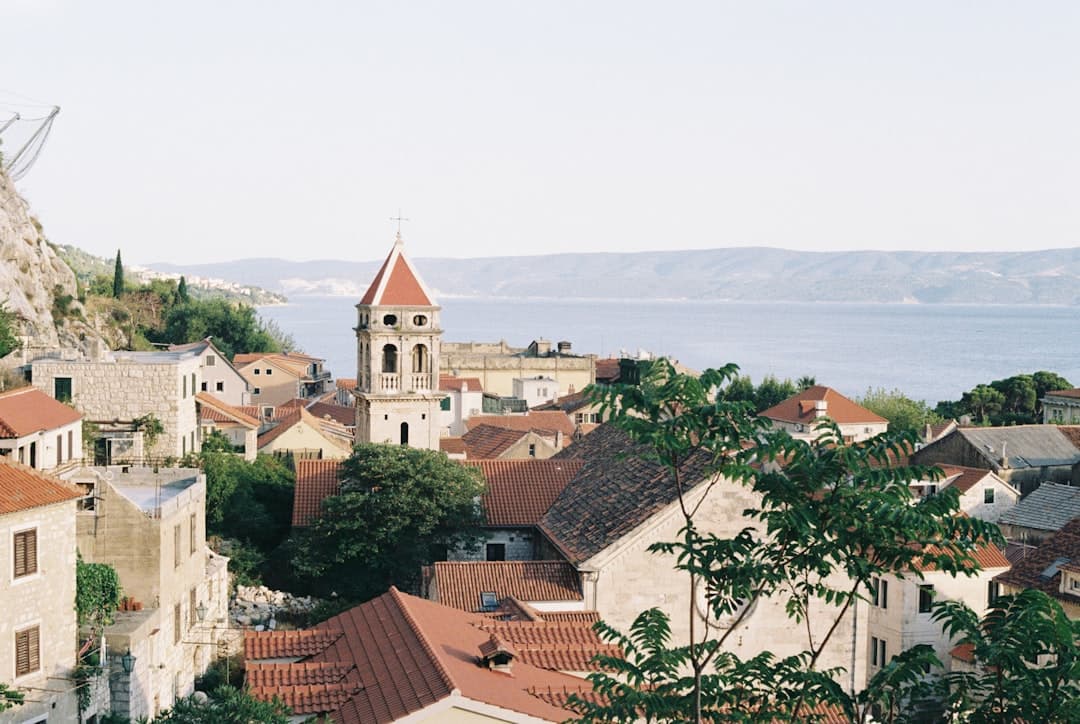
Croatia's Adriatic coastline stretches for several thousand kilometres, encompassing hundreds of islands and a succession of walled medieval cities that have earned UNESCO World Heritage recognition. Dubrovnik, Split, and Hvar remain among the most visited points along the route, attracting European travellers seeking a combination of cultural heritage and coastal recreation.
Geography and Accessibility
The country's position along the eastern Adriatic places it within a few hours' flight of most major European cities. Low-cost carriers have expanded seasonal routes into Split and Dubrovnik airports, making the region accessible to a broader range of travellers than was the case a generation ago. Ferry networks connect the mainland to the Dalmatian islands, with services operating from ports including Split, Zadar, and Rijeka.
Historical and Cultural Draw
Dubrovnik's old town, encircled by stone walls dating to the medieval period, draws visitors interested in Adriatic history and architecture. Split's Diocletian's Palace, a Roman-era complex that has evolved into a living urban quarter over centuries, similarly draws travellers with a historical focus. Both sites appear on UNESCO's World Heritage List.
Seasonal Patterns and Coastal Economy
Tourism remains heavily concentrated in the summer months, with the Adriatic coast experiencing its peak between June and September. The regional economy relies significantly on visitor spending during this window, with hospitality, maritime services, and local markets all tied closely to the tourist calendar. Croatian authorities and the European Union have supported efforts to extend the season and diversify offerings beyond beach tourism.
Infrastructure and Sustainability Pressures
Rapid growth in visitor numbers has prompted ongoing discussions among municipal authorities regarding sustainable capacity management, particularly in historic centres where residential populations have declined as short-term rentals have expanded. These dynamics are broadly consistent with patterns observed in other high-demand Mediterranean destinations.
Open Questions
Whether Croatian authorities will implement formal visitor caps in the most congested historic sites, and how infrastructure investment will keep pace with continued demand, remain subjects of active policy deliberation.
Sources: UNESCO World Heritage List, Croatian National Tourist Board (HTZ), European Commission tourism statistics, IATA route data
This article is based on a verified primary source. The text was editorially reviewed and fact-checked prior to publication.