Austria's Alpine region stretches across a significant portion of the country's interior, encompassing not only internationally recognized destinations such as Innsbruck and Kitzbühel but also dozens of smaller settlements that receive comparatively little attention from foreign travelers.
Villages With Documented Heritage
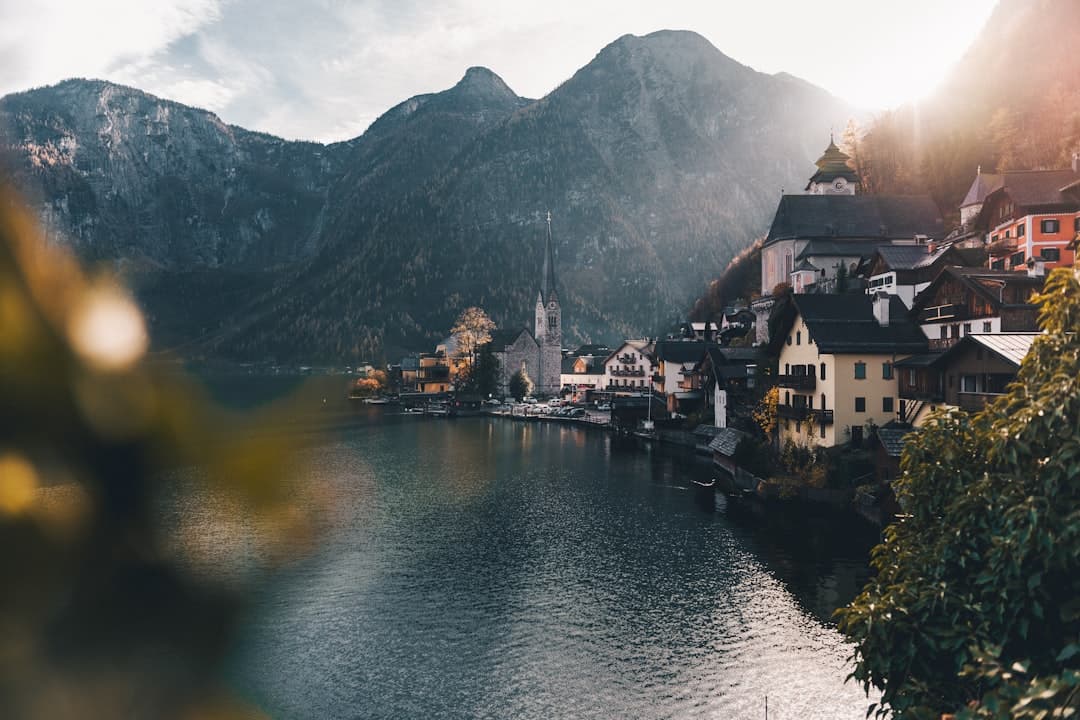
Hallstatt, situated on the southwestern shore of the Hallstätter See in Upper Austria, is among the most historically significant of these communities. The village sits within a UNESCO World Heritage Site designated in 1997, recognized for its prehistoric salt-mining history and its well-preserved lakeside streetscape. Despite growing visitor numbers in recent years, Hallstatt retains its residential character and continues to function as an active community.
Further east, the Bregenzerwald region in Vorarlberg contains a cluster of villages — including Bezau, Schwarzenberg, and Schoppernau — known for a distinct architectural tradition that uses shingles and timber in ways specific to that valley. The area has been documented by architectural historians and has received attention from design institutions across Europe.
Seasonal Accessibility and Infrastructure
Many of Austria's smaller Alpine villages are connected to the national rail and regional bus networks, making car-free travel feasible. The Austrian Federal Railways, known as ÖBB, operates routes into mountain regions throughout the year, with some valleys also served by narrow-gauge lines maintained for both passenger and tourism use.
The Ötztal in Tyrol, home to villages such as Sölden and the smaller settlement of Längenfeld, is accessible via regional transport links. Längenfeld is documented as a historically established spa village, with thermal bathing facilities developed around natural springs in the area.
Cultural and Natural Context
Many of these communities maintain traditional festivals tied to agricultural calendars, including cattle drives known as Almabtrieb that occur in autumn when livestock return from high-altitude pastures. These events are documented cultural practices recognized within Austrian intangible heritage frameworks.
The Alpine villages also serve as access points for hiking trails within protected natural areas, several of which fall under national park or nature reserve designations under Austrian federal and provincial law.
Open Questions
How local communities in smaller Austrian villages are managing infrastructure pressures as visitor interest grows remains an area requiring continued reporting. The balance between heritage preservation and economic development through tourism has not been uniformly resolved across different provincial jurisdictions.
Sources: UNESCO World Heritage List (whc.unesco.org), ÖBB Austrian Federal Railways (oebb.at), Austrian National Tourist Office (austria.info), Vorarlberg Museum documentation on Bregenzerwald architecture, Austrian Federal Monuments Office (bda.gv.at)
This article is based on a verified primary source. The text was editorially reviewed and fact-checked prior to publication.