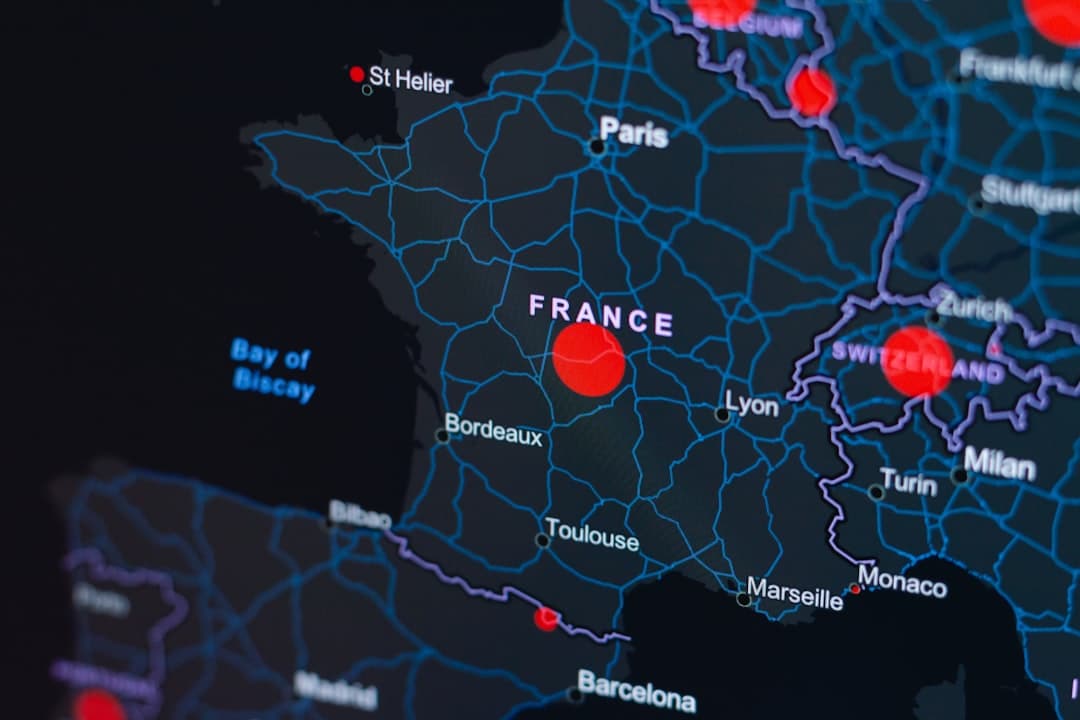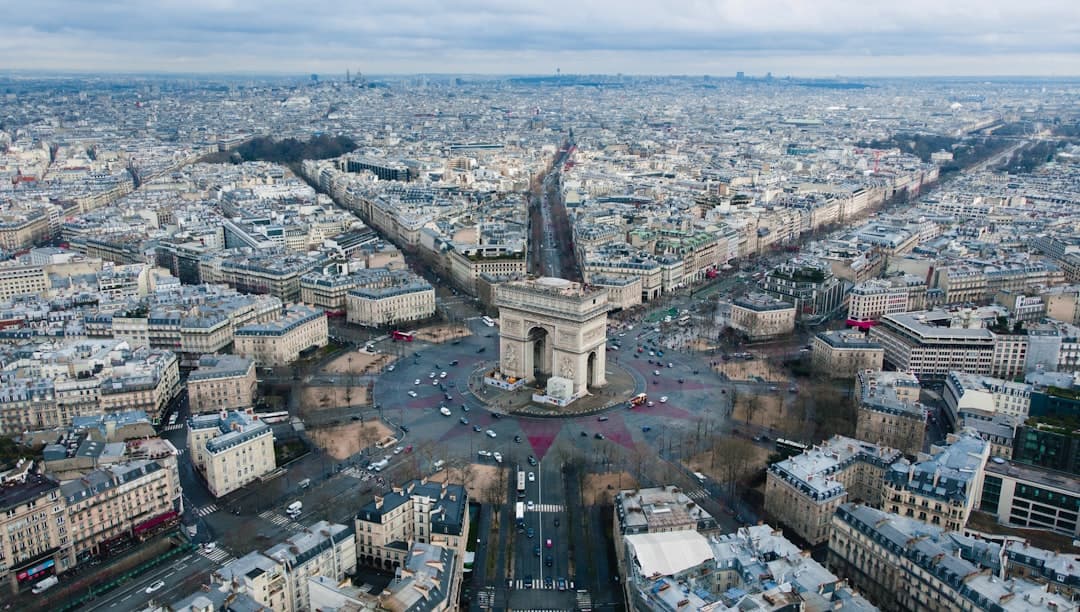
France ranks consistently among the world's most visited countries, with Paris drawing the largest share of international arrivals. However, the country's geographic and cultural diversity spans dozens of distinct regions, many of which receive considerably less attention from foreign travellers.
Alsace: A Franco-German Crossroads
Situated along France's northeastern border with Germany, Alsace presents a distinctive blend of French and Germanic heritage. The region's half-timbered architecture, Riesling vineyards, and medieval towns such as Colmar and Strasbourg — home to the European Parliament — attract visitors seeking a cultural experience rooted in centuries of cross-border history. Strasbourg's old city, known as the Grande Île, holds UNESCO World Heritage status.
The Dordogne: Prehistoric Legacy and Rural Landscapes
In southwestern France, the Dordogne department is recognised for its concentration of prehistoric cave art, including the Lascaux cave complex, which contains some of the most significant Palaeolithic paintings discovered in Europe. The surrounding Périgord area is also associated with traditional French gastronomy, including truffles and duck-based cuisine. Bastide towns — medieval fortified settlements — dot the valley alongside châteaux and rivers navigable by canoe.
The Auvergne: Volcanic Terrain in Central France
The Massif Central, anchored by the Auvergne region, contains the Chaîne des Puys — a chain of dormant volcanic formations granted UNESCO Global Geopark status. The area offers hiking trails, thermal spa towns such as Vichy, and Romanesque architecture in cities including Clermont-Ferrand. The region's relative remoteness has preserved both its landscape and its traditions.
Brittany: Atlantic Identity and Celtic Roots
On France's northwestern Atlantic coast, Brittany maintains a cultural identity shaped by Celtic heritage, distinct regional language, and a coastline characterised by dramatic cliffs and fishing villages. The medieval walled city of Saint-Malo and the megalithic monuments near Carnac — predating Stonehenge — represent landmarks of European historical significance.
France's national rail network and regional airports connect these areas to major European hubs, making access relatively straightforward for international visitors.
Open Questions
Whether sustained traveller interest in these regions will translate into meaningful infrastructure investment — or risk straining the communities that make them distinctive — remains an open matter for regional planners and tourism authorities.
Sources: UNESCO World Heritage Centre, French Ministry of Tourism, Atout France (France Tourism Development Agency), European Parliament official records.
This article is based on a verified primary source. The text was editorially reviewed and fact-checked prior to publication.