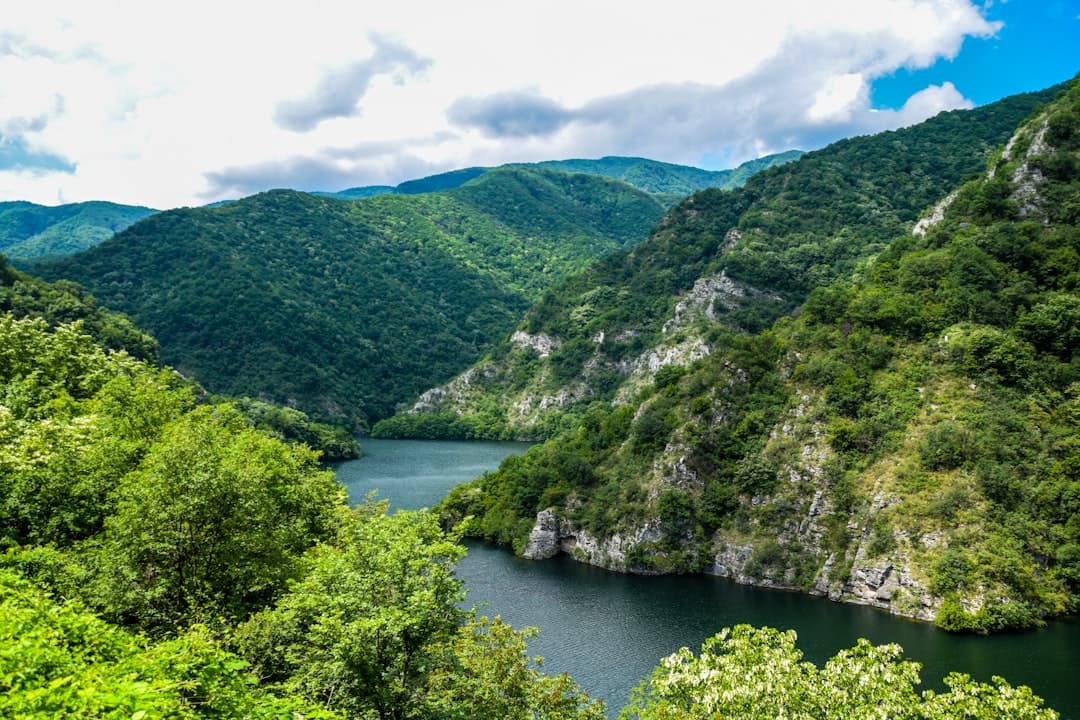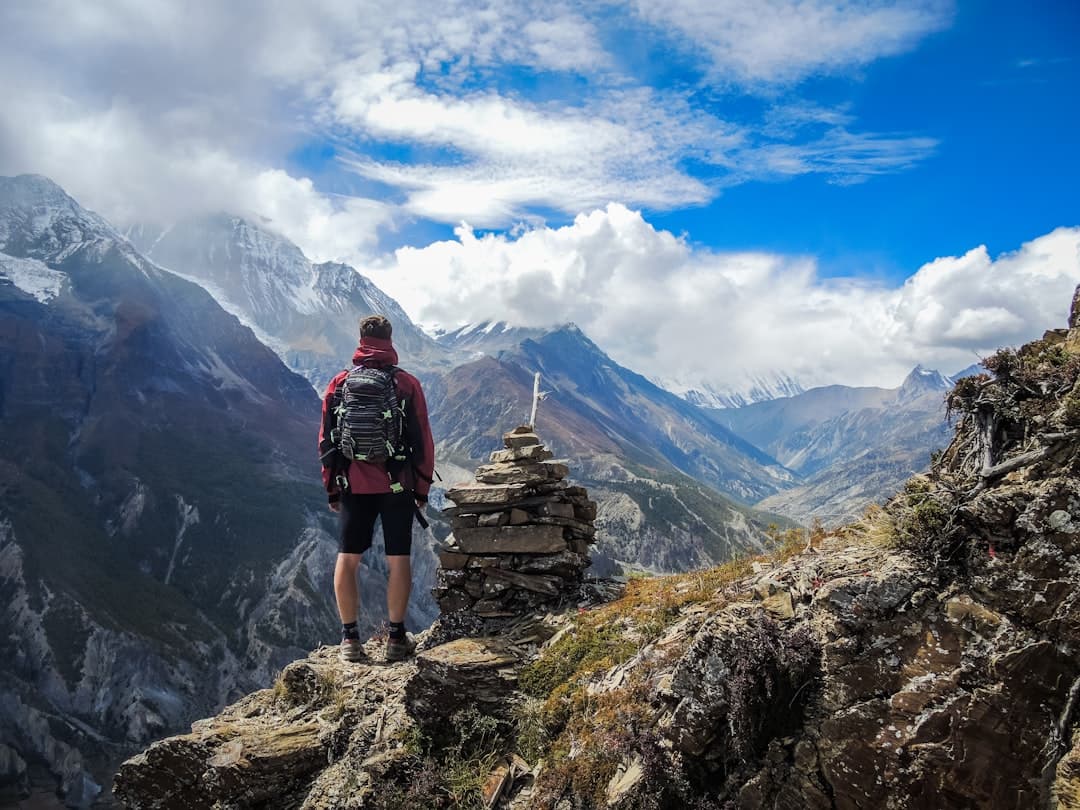
Bulgaria, a southeastern European nation bordering the Black Sea, Romania, Greece, and Turkey, is home to a diverse landscape that extends well beyond its established tourist centers of Sofia and the coastal resort strip. Regions including the Rhodope Mountains, the Strandzha Nature Park, and the valley surrounding Kazanlak contain sites of considerable historical, ecological, and architectural interest that draw comparatively modest visitor numbers.
The Rhodope Mountains
The Rhodope range, stretching across southern Bulgaria into northern Greece, contains deep gorges, cave systems, and villages with preserved vernacular architecture. The Trigrad Gorge and the Devil's Throat Cave within it are recognized geological formations accessible to visitors. The town of Shiroka Laka is designated as an architectural reserve and features stone-built houses representative of Bulgarian National Revival-period construction.
The Valley of the Thracian Kings
The area around Kazanlak in central Bulgaria is associated with a high concentration of Thracian burial mounds, known locally as mogili. The Kazanlak Tomb, a UNESCO World Heritage Site, contains well-preserved frescoes dating to the fourth or third century BCE. Additional tombs in the region, including those at Shipka and Starosel, remain accessible and continue to be subjects of ongoing archaeological study.
Strandzha Nature Park
Located in southeastern Bulgaria near the Turkish border, Strandzha is the largest nature park in the country by area. The park encompasses coastal forest, river valleys, and villages where traditional customs have been documented over generations. The region also contains the ruins of Byzantine-era settlements and early medieval fortifications.
The Belogradchik Rocks
In northwestern Bulgaria, the Belogradchik Rocks are a collection of sandstone and limestone formations that were incorporated into a nineteenth-century Ottoman fortress. The formations cover a broad area and vary significantly in scale and shape, attracting visitors with interests in geology and military history alike.
Open Questions
Whether infrastructure investment in these regions will increase accessibility without altering their character remains an active subject among regional planners and conservation bodies. The extent to which Bulgaria's EU membership has influenced cultural heritage funding for lesser-known sites also continues to be examined.
Sources: UNESCO World Heritage List, Bulgarian Ministry of Tourism, Strandzha Nature Park official records, European Environment Agency regional data.
This article is based on a verified primary source. The text was editorially reviewed and fact-checked prior to publication.