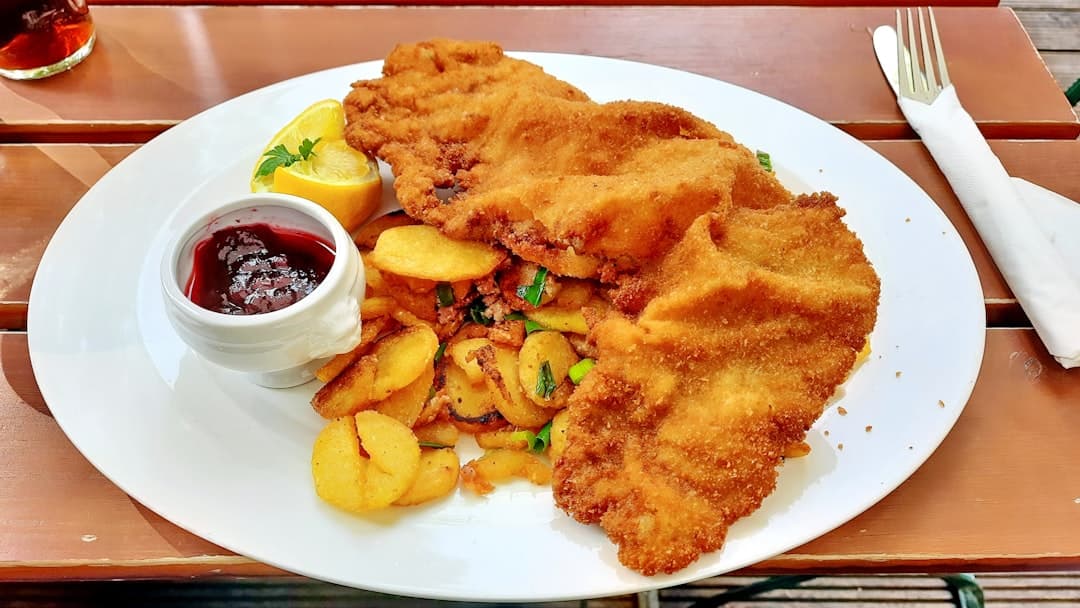
Vienna has long been associated with a distinct culinary canon — Wiener Schnitzel, Tafelspitz, Apfelstrudel, and the celebrated coffeehouse culture that UNESCO recognized as an Intangible Cultural Heritage in 2011. That foundation remains intact, but the city's food scene has expanded considerably around it.
A Coffeehouse Culture That Endures
The Viennese coffeehouse, or Kaffeehaus, continues to function as a social institution. Establishments such as Café Central and Café Landtmann have operated for well over a century and retain their role as gathering places for locals and visitors alike. The tradition of lingering over a Melange — a coffee drink particular to Vienna — and a slice of cake remains a daily ritual for many residents.
New Directions in the Kitchen
Alongside these institutions, a younger generation of chefs and restaurateurs has introduced approaches rooted in seasonal sourcing, fermentation, and plant-forward menus. The Naschmarkt, Vienna's principal open-air market, serves as a visible intersection of old and new, where vendors selling Austrian cheeses and cured meats share space with stalls offering Middle Eastern, Asian, and Eastern European ingredients.
Several Vienna restaurants have earned recognition in the Michelin Guide in recent years, reflecting an elevation of fine dining that incorporates local Austrian produce within refined, modern frameworks. At the same time, a wave of informal neighbourhood restaurants has brought international cuisines — Vietnamese, Georgian, and Levantine among them — into residential districts beyond the first district's historic core.
Sustainability and Local Sourcing
Austrian food policy and consumer demand have together pushed sustainability higher on the agenda for Vienna's hospitality sector. A growing number of establishments source directly from regional farms and highlight provenance on their menus, a practice that aligns with broader European trends toward shorter supply chains and reduced food waste.
The result is a culinary city that treats its past as a reference point rather than a constraint, allowing both long-standing traditions and newer influences to coexist within the same urban food culture.
Open Questions
Whether the rapid expansion of international dining options will reshape or gradually dilute Vienna's historically distinctive food identity remains an open question among food historians and urban analysts.
Sources: UNESCO Intangible Cultural Heritage Lists; Michelin Guide Austria; Naschmarkt Vienna official city records; Austrian Federal Economic Chamber hospitality sector data.
This article is based on a verified primary source. The text was editorially reviewed and fact-checked prior to publication.