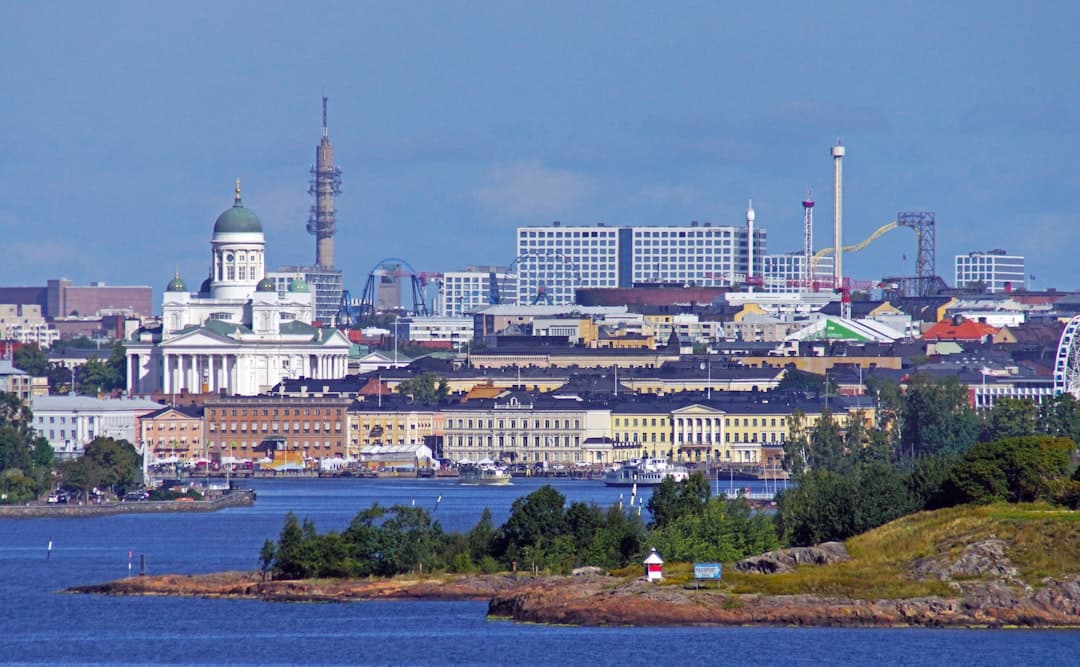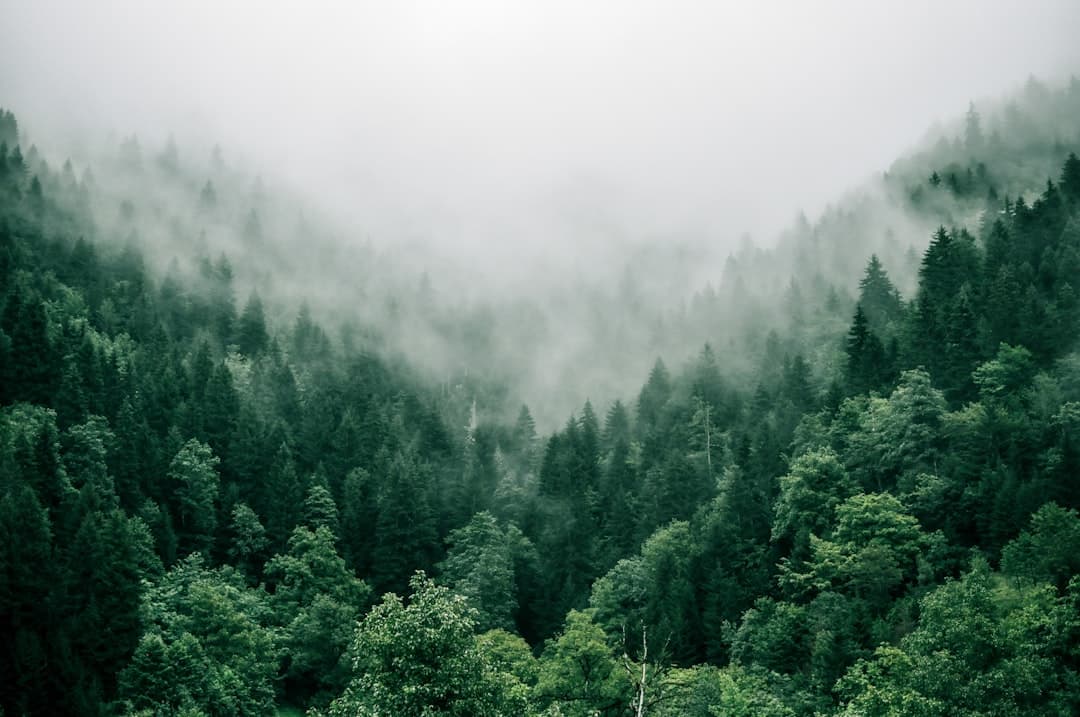
Finland occupies a distinctive position in European cultural life, shaped by geography as much as history. Roughly two-thirds of the country's land area is covered by forest, and this relationship with woodland and water has left a measurable imprint on Finnish folklore, art, architecture, and everyday custom.
Roots in the Landscape
The national epic Kalevala, compiled in the nineteenth century from oral folk poetry, remains a foundational cultural document and a reference point for Finnish artistic identity. Its imagery draws heavily on lakes, forests, and the natural world, themes that continue to surface in Finnish design, literature, and music. The tradition of friluftsliv-adjacent practices — including the globally recognised sauna culture — reflects a longstanding social value placed on interaction with the natural environment. UNESCO added Finnish sauna culture to its list of Intangible Cultural Heritage in 2020.
A Parallel Tradition of Design and Technology
Alongside this naturalistic heritage, Finland developed a strong tradition in functional design during the twentieth century, associated internationally with figures such as architect Alvar Aalto and glassware producer Iittala. Finnish design philosophy has historically emphasised utility, simplicity, and the use of natural materials — values that link the country's aesthetic output to its environmental sensibility.
In more recent decades, Finland has built an international profile in telecommunications and digital infrastructure, a shift that accelerated in the late twentieth century. The country consistently ranks highly in global education and innovation indices, and its capital Helsinki hosts a concentration of technology firms and design studios.
Cultural Policy and Preservation
Finnish cultural institutions, including the Finnish Heritage Agency, maintain active programmes for the documentation and preservation of built heritage, archaeological sites, and intangible traditions. The state has also invested significantly in public libraries and arts education, which are considered central to cultural participation across the population.
The combination of ecological awareness, design heritage, and technological orientation has made Finland a recurring subject of study for countries examining sustainable approaches to cultural and economic development.
Open Questions
How Finland balances rapid digital development with the preservation of rural and indigenous Sámi cultural traditions remains an area of ongoing domestic discussion. The extent to which Finnish design heritage translates commercially in an increasingly competitive global market also warrants continued observation.
Sources: UNESCO Intangible Cultural Heritage Lists; Finnish Heritage Agency (museovirasto.fi); Statistics Finland; Alvar Aalto Foundation; Finnish Ministry of Education and Culture
This article is based on a verified primary source. The text was editorially reviewed and fact-checked prior to publication.