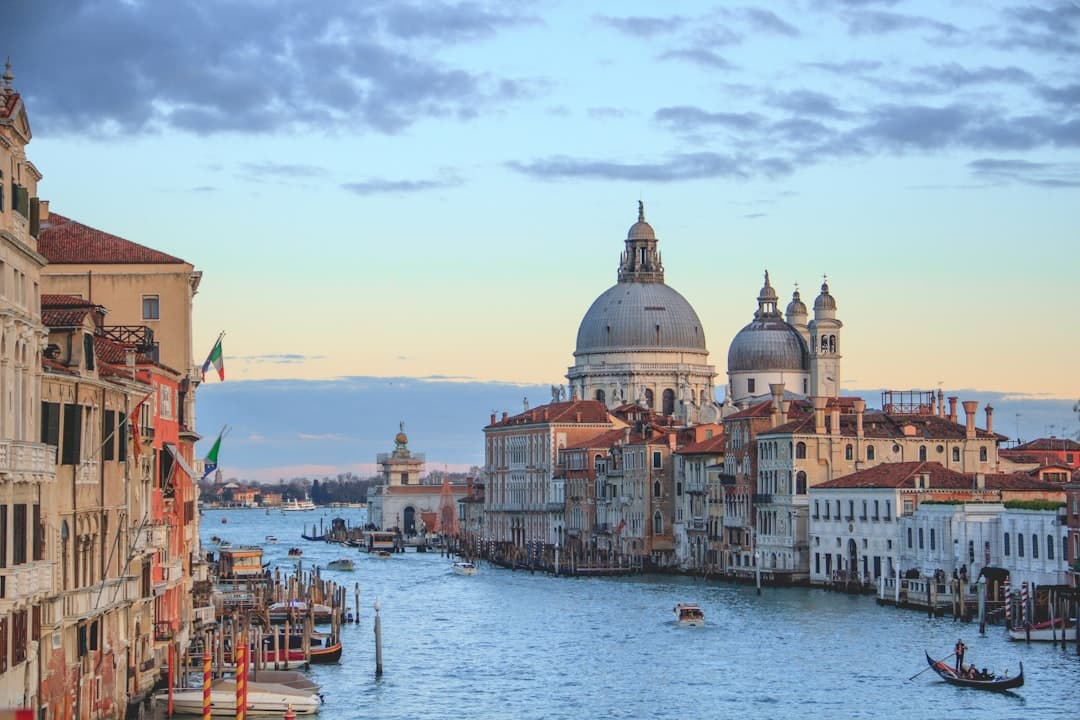
From the lagoons of Venice to the baroque piazzas of Lecce, Italy's annual festival calendar reflects a country that treats cultural expression as a civic obligation rather than an optional amenity. Across its twenty administrative regions, hundreds of recurring events mark the calendar year, drawing domestic audiences and international visitors alike.
A Calendar Rooted in History
Many of Italy's most prominent festivals trace their origins across centuries. The Venice Carnival, revived in its modern form in the late twentieth century, draws on traditions documented as far back as the medieval republic. The Palio di Siena, a horse race run twice annually in the city's historic Piazza del Campo, is recorded in municipal archives from the seventeenth century and remains embedded in the civic life of its contrade, or city districts.
Religious observances also anchor the calendar. Processions, feast days, and passion plays tied to the Catholic liturgical year continue to be observed in communities throughout the south, particularly in Sicily and Campania, where some events have achieved UNESCO recognition as intangible cultural heritage.
The Arts Festival Circuit
Italy hosts several internationally recognised arts festivals that shape broader European cultural programming. The Venice Film Festival, held annually at the Lido, is among the oldest film festivals in the world. The Spoleto Festival dei Due Mondi, founded in the mid-twentieth century, draws performers and audiences across disciplines including theatre, opera, and dance. Verona's Arena opera season uses a Roman amphitheatre as its stage, reinforcing the country's habit of embedding contemporary performance within ancient infrastructure.
Regional Identity on Display
Beyond headline events, smaller municipal festivals serve as markers of regional distinctiveness. Food-centred sagre celebrate local harvests and culinary traditions in villages throughout Emilia-Romagna, Umbria, and Piedmont. Costume festivals in Sardinia preserve textile and musical traditions specific to individual towns, some of which differ significantly from those of neighbouring communities.
Italy's festival infrastructure is supported through a combination of municipal funding, regional cultural bodies, private sponsorship, and, in some cases, European Union cultural programmes, though the balance of these sources varies considerably by event and location.
Open Questions
How sustainable is public funding for smaller regional festivals amid ongoing pressures on municipal budgets? To what extent does international tourism reshape the character of events originally designed for local communities?
Sources: UNESCO Intangible Cultural Heritage Lists; Venice Film Festival official records; City of Siena municipal documentation; Italian Ministry of Culture (MiC) programme overviews; Spoleto Festival dei Due Mondi institutional history.
This article is based on a verified primary source. The text was editorially reviewed and fact-checked prior to publication.