Malta, the small island nation situated at the heart of the Mediterranean Sea, holds a reputation among the diving community as one of Europe's most rewarding underwater destinations. The archipelago — comprising Malta, Gozo, and Comino — offers a diverse range of dive sites that include sea caves, reef walls, blue holes, and deliberately sunk shipwrecks.
Natural Conditions
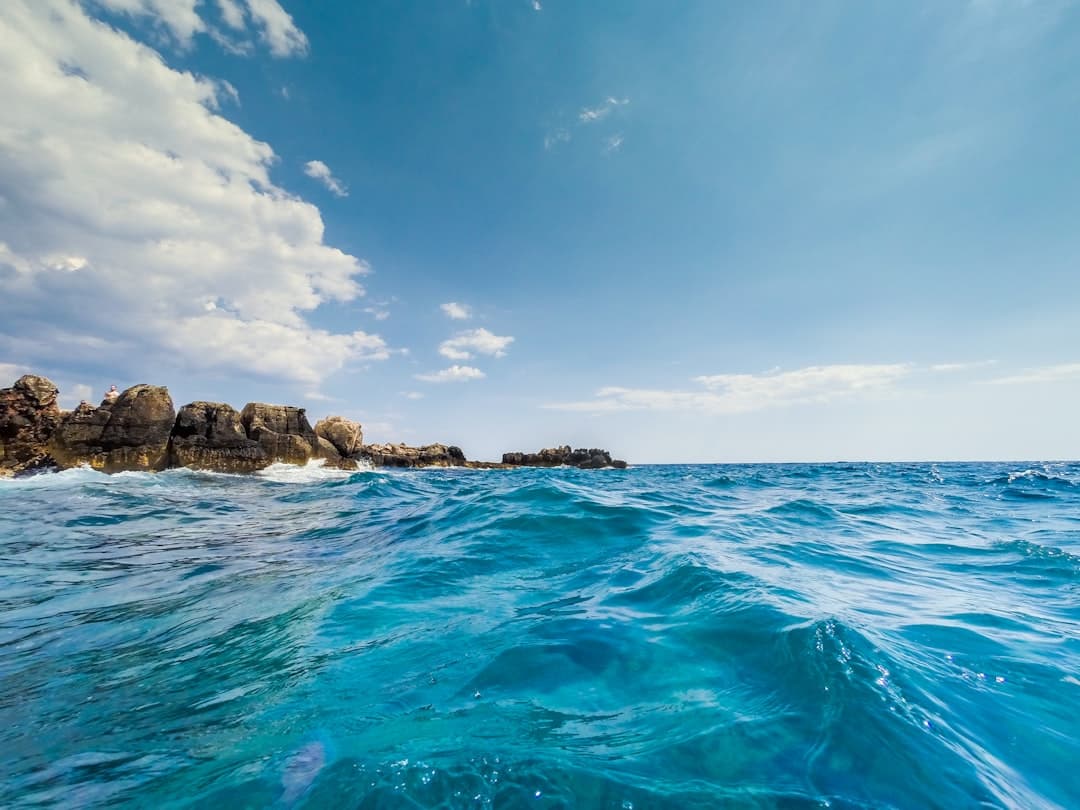
The Mediterranean around Malta maintains visibility that frequently extends to considerable depths, a product of the region's low nutrient levels and consistent water clarity. Water temperatures remain warm enough for comfortable diving through much of the year, with the summer and early autumn months drawing the highest concentration of visiting divers. The geological character of the islands — predominantly limestone — has produced an intricate network of underwater arches, caverns, and tunnels that form the basis of many popular dive routes.
Notable Sites
The Blue Hole at Dwejra on the island of Gozo is widely recognized across the international diving community. The site features a natural rock chimney that descends to a reef shelf before opening to the open sea. Alongside natural formations, Malta's waters contain several notable wrecks, including the MV Karwela and the Um El Faroud, vessels that were deliberately scuttled to create artificial reef structures and dedicated dive attractions. The Bristol Beaufighter, a World War II aircraft resting on the seabed off St. Paul's Bay, draws historically minded divers as well.
Accessibility and Infrastructure
Malta's established tourism infrastructure supports a large network of dive schools and operators, many of which hold international certifications. The country's membership in the European Union simplifies travel logistics for divers arriving from across the continent. Dive sites are generally accessible from shore or via short boat transfers, lowering the barrier for a wide range of experience levels.
Open Questions
Environmental pressures from increased dive tourism, including the long-term effects on marine biodiversity and limestone formations, remain subjects of ongoing discussion among conservationists and Maltese maritime authorities.
Sources: Malta Tourism Authority (visitmalta.com), British Sub-Aqua Club (BSAC) destination guides, PADI regional dive site directories, European Environment Agency Mediterranean region reports.
This article is based on a verified primary source. The text was editorially reviewed and fact-checked prior to publication.