Wedged between France, Germany, and the Netherlands, Belgium occupies a modest footprint in Western Europe yet contains a striking variety of landscapes, languages, and urban identities. The country is officially trilingual — French, Dutch, and German all hold recognized status — a reflection of its position at one of Europe's oldest cultural crossroads.
Cities Built on Medieval Foundations
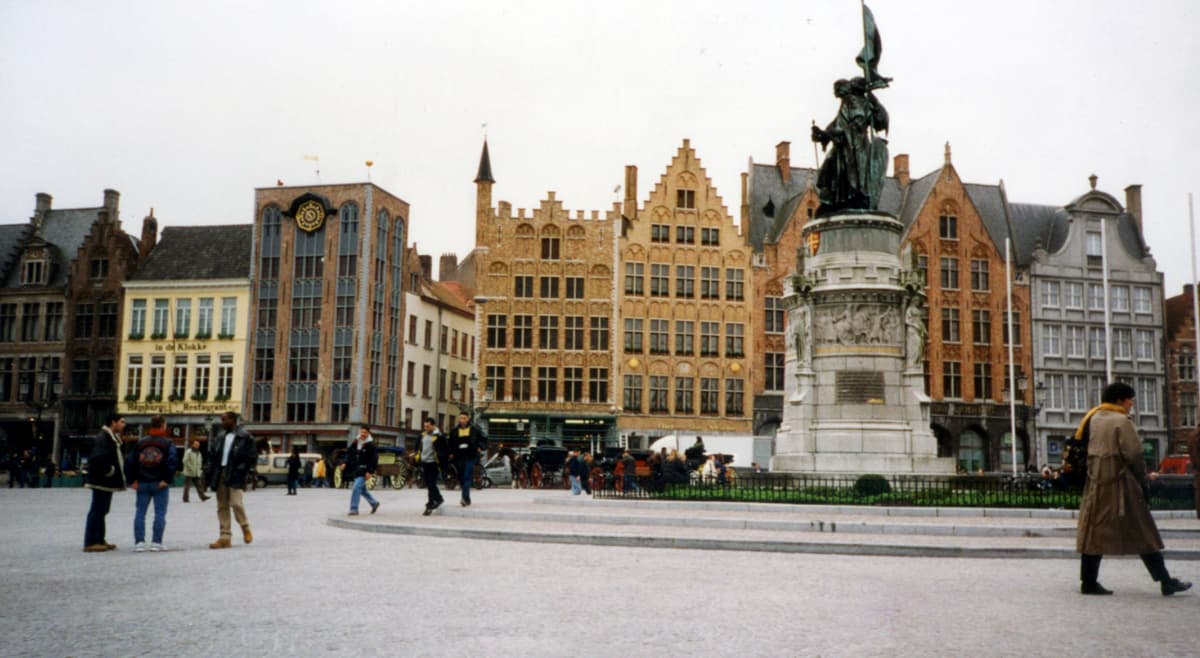
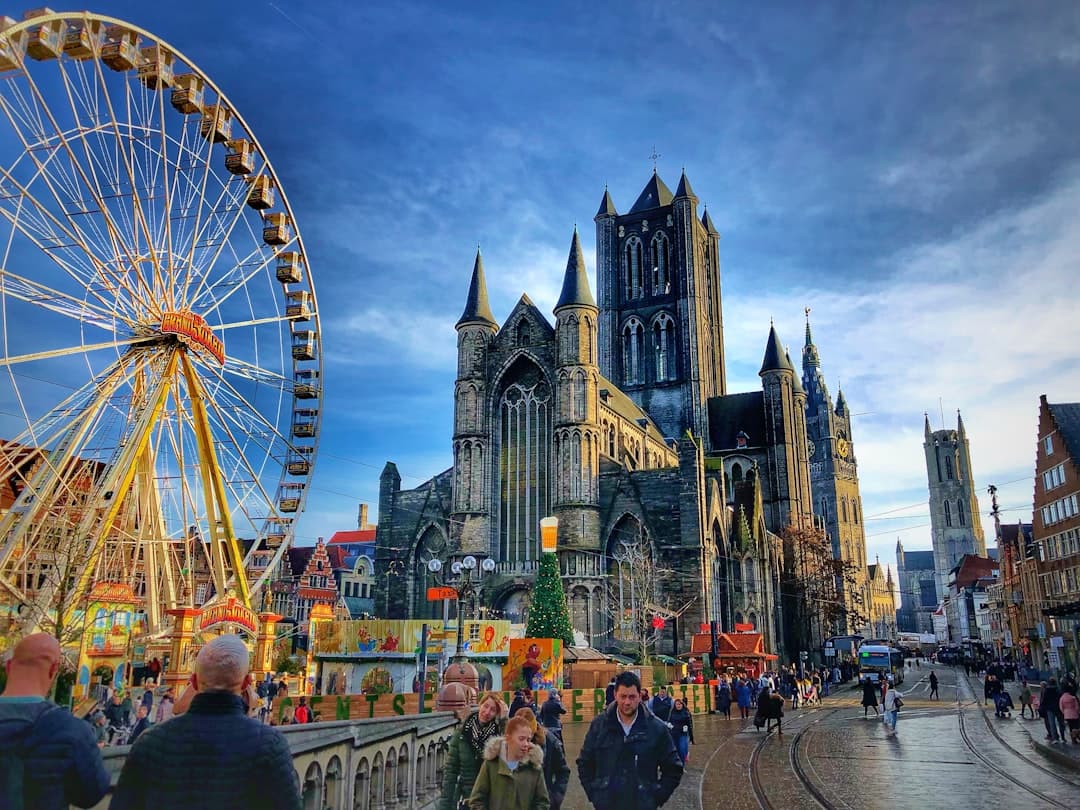
Bruges, often described as one of the best-preserved medieval cities in Europe, is a UNESCO World Heritage Site recognized for its network of canals, Gothic architecture, and historic market squares. Ghent, less visited than Bruges but comparable in architectural scale, combines a functioning university city atmosphere with Flemish Renaissance landmarks including the Gravensteen castle and the Saint Bavo Cathedral, which houses the Van Eyck altarpiece known as The Adoration of the Mystic Lamb.
Brussels functions simultaneously as the Belgian capital and the administrative center of the European Union, lending it a distinctly international character. The Grand-Place, the city's central square, holds UNESCO World Heritage status and is widely regarded as among the finest baroque public squares on the continent.
Culinary and Cultural Density
Belgian culinary traditions carry significant international recognition. The country holds a protected geographical status for several of its products, and Belgian chocolate and beer have established long-standing reputations across global markets. The country's brewing traditions were inscribed on UNESCO's Intangible Cultural Heritage list, acknowledging a practice spanning centuries and encompassing hundreds of distinct styles.
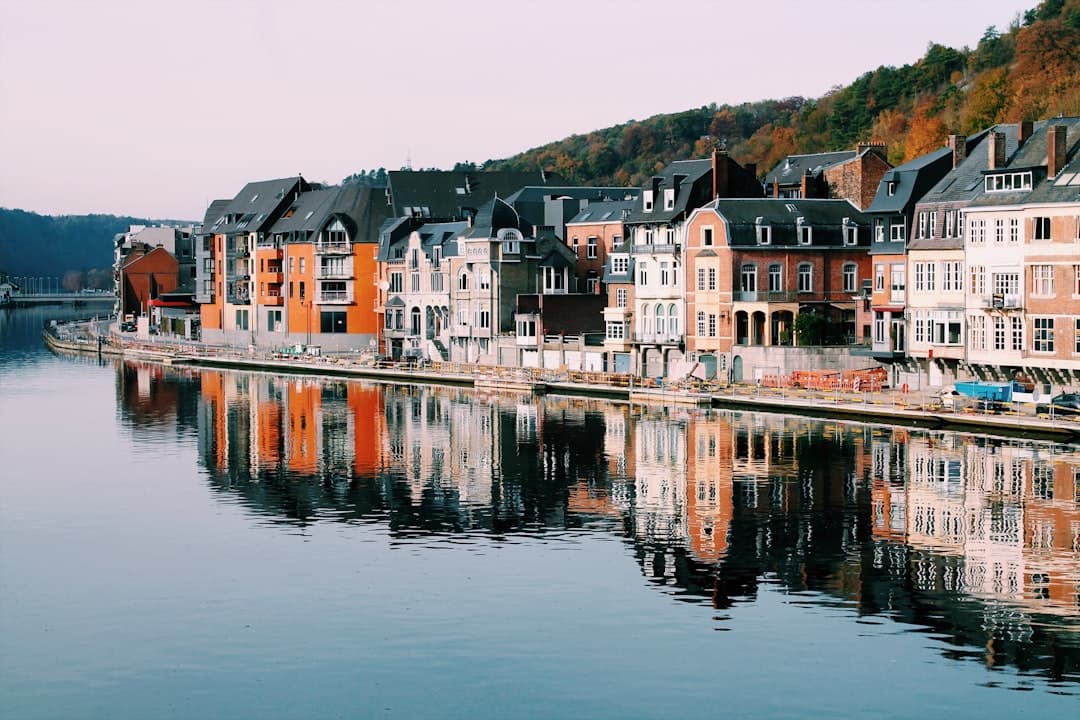
The Ardennes region in the south offers a contrasting experience to the urban north, with forested hills, river valleys, and small market towns that attract hikers and cyclists throughout the warmer months.
Infrastructure and Accessibility
Belgium's rail network is among the densest in Europe relative to its surface area, making car-free travel between major cities and smaller municipalities straightforward. Brussels South station connects directly to Paris, London via the Channel Tunnel, Amsterdam, and Cologne, positioning Belgium as a practical hub for broader European travel.
Open Questions
Whether Belgium's relatively modest international tourism profile will shift as travelers increasingly seek alternatives to overcrowded destinations such as Amsterdam or Paris remains an open question for regional tourism analysts.
Sources: UNESCO World Heritage List, Belgian Federal Government tourism data, Eurostar route information, Belgian Federal Public Service Foreign Affairs linguistic policy documentation.
This article is based on a verified primary source. The text was editorially reviewed and fact-checked prior to publication.