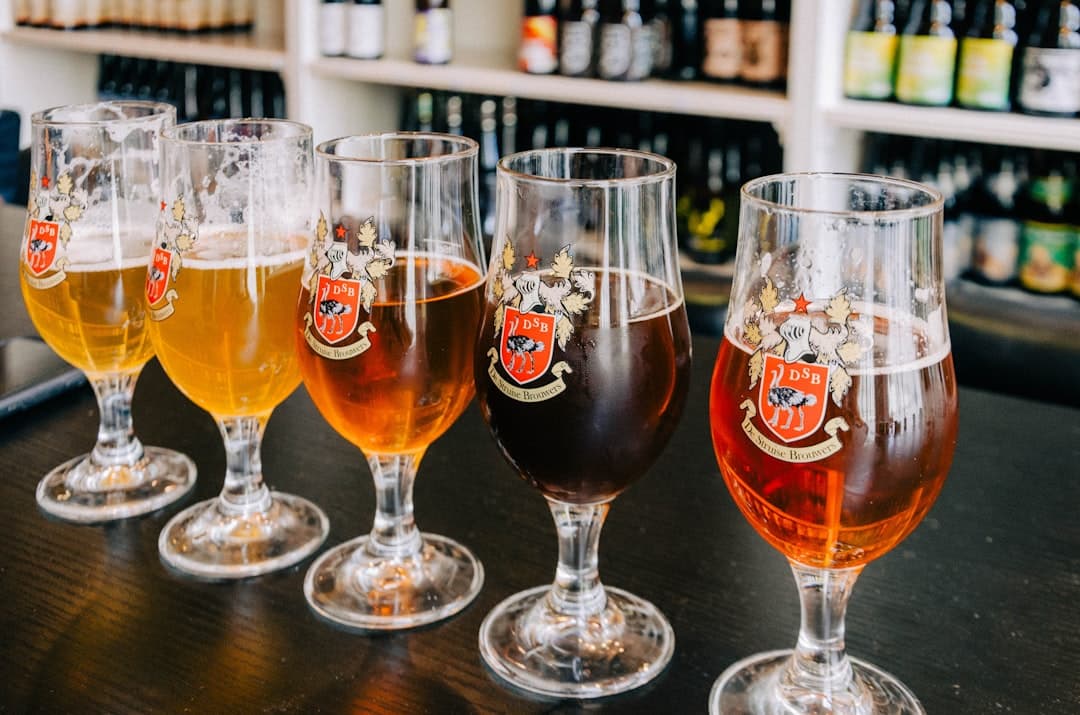
Belgium produces some of the most diverse and widely recognized beers in the world, with a brewing tradition that stretches back to medieval monasteries. The country's beer culture was inscribed on UNESCO's Intangible Cultural Heritage list in 2016, a distinction that has helped reinforce both domestic pride and international interest in Belgian brewing.
A Heritage Built on Diversity
Unlike brewing traditions in neighboring countries that center on a narrower range of styles, Belgian brewing encompasses hundreds of distinct varieties. These include Trappist ales produced within monastery walls, lambic beers fermented through spontaneous exposure to wild yeast, saisons originating from Wallonian farmhouses, and strong golden ales developed in the twentieth century. This stylistic breadth has made Belgian beer a frequent reference point in discussions of global craft brewing.
The Role of Trappist Breweries
A small number of breweries operating within active Trappist monasteries hold the legally protected designation of Authentic Trappist Product. Belgian monasteries such as Westvleteren, Chimay, and Rochefort produce beers that consistently appear on international lists of highly regarded brews. The limited commercial availability of some of these products has contributed to sustained consumer interest over decades.
Craft Growth and Export Markets
Beyond the monastic sector, Belgium has seen significant growth in independent craft breweries over recent decades. The Belgian Brewers federation reports that the number of active breweries has risen substantially since the early 2000s, reversing a long period of consolidation in the industry. Belgian beers are exported across Europe, North America, and Asia, with specialty retailers and restaurant beverage programs regularly featuring Belgian styles.
Cultural Transmission
Beer culture in Belgium extends beyond production into public life. Dedicated beer cafés, regional festivals, and formal tasting programs maintain a network through which brewing knowledge is passed between generations. Academic and vocational institutions also offer coursework in fermentation science and brewing history, helping sustain a skilled workforce for the industry.
Open Questions
Whether smaller artisan breweries can sustain growth against rising production costs and competition from imported craft brands remains an open question for the sector. The long-term effects of shifting alcohol consumption patterns among younger Europeans also warrant continued observation.
Sources: UNESCO Intangible Cultural Heritage Lists (ich.unesco.org), Belgian Brewers Federation (belgianbrewers.be), International Trappist Association (trappist.be)
This article is based on a verified primary source. The text was editorially reviewed and fact-checked prior to publication.