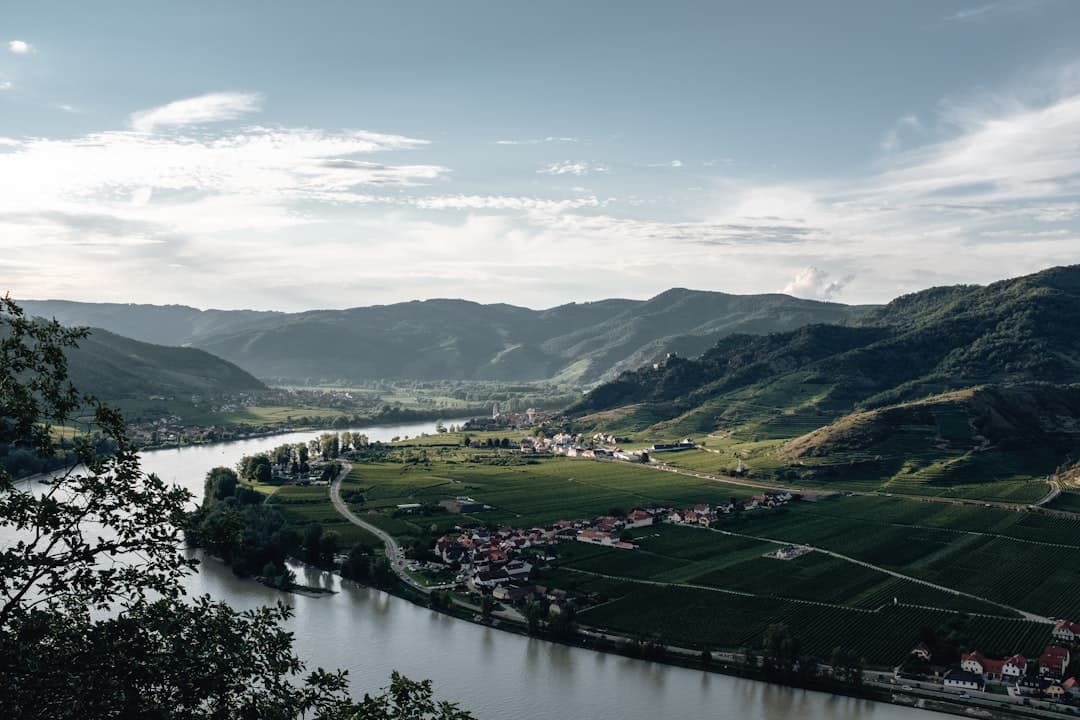
Austrian wine occupies a relatively small share of global production, yet its influence among wine professionals has grown considerably over recent decades. The country's vineyards, concentrated primarily in Lower Austria, Burgenland, Styria, and Vienna, produce a range of styles that have caught the attention of international critics and import markets alike.
Native Varieties Leading the Way
Much of Austria's reputation rests on indigenous grape varieties, particularly Grüner Veltliner and Riesling. Grüner Veltliner, a white grape grown almost exclusively in Austria, has become a recognizable name in wine lists across major European and North American cities. Its distinctive peppery character and food-friendly acidity have made it a favored choice among sommeliers seeking alternatives to more dominant varietals.
Red wine production, led by Blaufränkisch and Zweigelt, has also gained traction internationally, particularly within specialist wine communities and competition circuits where Austrian reds have received strong critical scores.
A Framework Built on Standards
Austria's Districtus Austriae Controllatus, known as DAC, classification system has played a measurable role in building consumer trust. The system, which ties specific grape varieties to defined geographical regions, mirrors established European appellation frameworks and gives buyers a clearer understanding of regional character and quality expectations.
Austria was also among the earlier wine-producing nations to adopt widespread sustainable and organic farming practices, a shift that aligns with growing consumer demand for environmentally responsible production. Certified organic vineyard coverage in Austria has expanded significantly over the past two decades.
Export Markets and Trade Recognition
German-speaking countries remain Austria's primary export destinations, though demand has grown in Scandinavia, the United Kingdom, and the United States. Austrian wine weeks and promotional campaigns organized through the Austrian Wine Marketing Board have helped introduce the country's producers to trade buyers in markets where awareness was previously limited.
International wine competitions and publications have increasingly awarded top ratings to Austrian producers, further validating the country's place alongside more established wine regions.
Open Questions
Whether Austria can scale export growth without compromising the artisanal character that defines its appeal remains an open consideration for producers and trade observers alike.
Sources: Austrian Wine Marketing Board (austrianwine.com), Wine & Spirit Education Trust regional profiles, Decanter regional guides, EU agricultural classification records.
This article is based on a verified primary source. The text was editorially reviewed and fact-checked prior to publication.