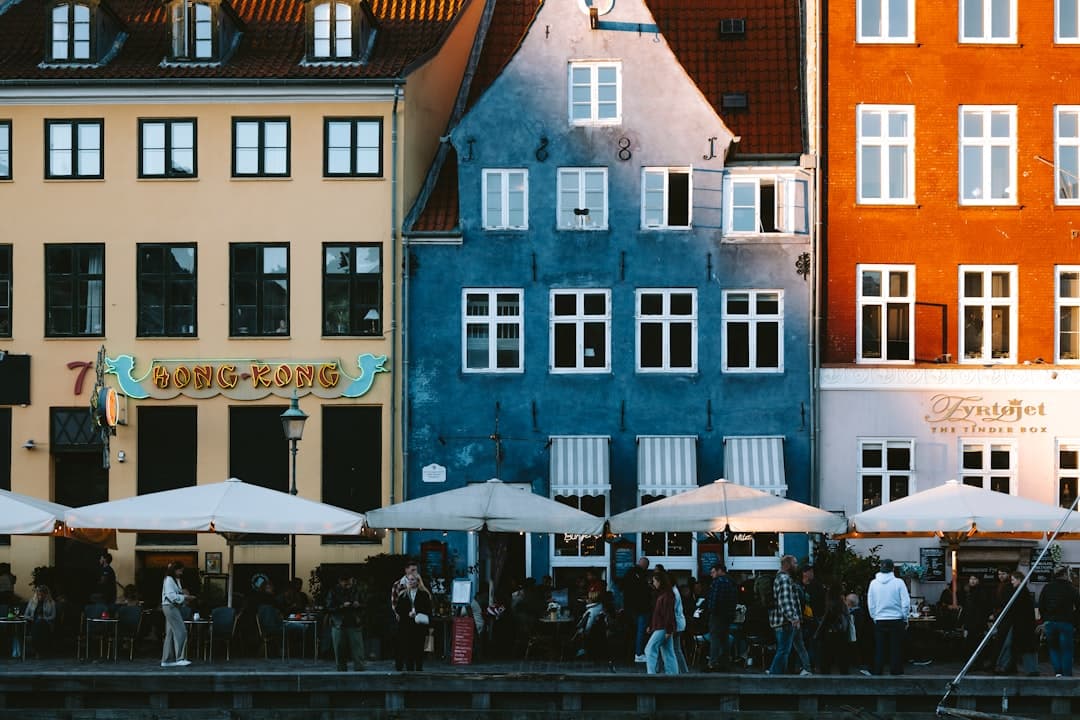
Across Europe, a measurable shift in traveler priorities has elevated food from a supporting element of the holiday experience to its central purpose. Tourism boards, hospitality operators, and regional governments have responded by investing in infrastructure, festivals, and certification programs designed to attract visitors whose primary motivation is gastronomic exploration.
The Established Heavyweights
France and Italy retain their dominance as the continent's most recognized culinary destinations. Lyon, long regarded as France's gastronomic capital, draws visitors specifically for its bouchon tradition — family-run restaurants serving classic Lyonnaise cuisine rooted in offal, quenelles, and regional wines. The city's UNESCO Creative City of Gastronomy designation has formalized what locals have long considered common knowledge.
In Italy, Emilia-Romagna functions as a kind of open-air food museum. The region produces Parmigiano-Reggiano, Prosciutto di Parma, and traditional balsamic vinegar of Modena, all of which carry protected designation of origin status under European Union law. Organized food tours centered on producers and aging facilities have become a significant draw for visitors arriving from North America, Asia, and Northern Europe.
Emerging Destinations Gaining Ground
The Basque Country in northern Spain has built a reputation that punches well above its geographic weight. San Sebastián — known in Basque as Donostia — holds more Michelin stars per capita than almost any other city in the world, a widely reported statistic that has helped position the city as a pilgrimage site for serious food travelers. The surrounding coastline supplies the seafood-centric pintxos culture that defines the region's bar scene.
Georgia, situated at the crossroads of Europe and Asia, has attracted growing attention for a cuisine that remains unfamiliar to many Western travelers. Dishes such as khachapuri and khinkali, combined with one of the world's oldest winemaking traditions — the country's qvevri clay-vessel method is recognized by UNESCO — have helped Tbilisi emerge on food tourism itineraries that would previously have excluded the Caucasus region entirely.
Portugal's Alentejo region and the city of Porto have similarly gained traction. Porto's wine cellars in Vila Nova de Gaia, which store and age Port wine, attract visitors for guided tastings tied directly to the Douro Valley production region upstream.
Markets as Anchors for Food Tourism
Covered food markets have become focal points for culinary tourism strategies across multiple countries. Barcelona's Mercat de la Boqueria, Copenhagen's Torvehallerne, and Riga's Central Market — housed in repurposed Zeppelin hangars and listed as a UNESCO World Heritage Site — each draw visitors who treat market exploration as a destination activity rather than a utilitarian errand.
Local authorities have taken note. Several European cities have undertaken market renovation and expansion projects partly in response to the documented spending patterns of food-motivated tourists, who tend to extend stays and distribute expenditure across a broader range of vendors and neighborhoods compared to conventional sightseers.
Sustainability and Authenticity as Competing Pressures
The growth of culinary tourism has introduced tensions familiar from other forms of cultural travel. In some destinations, the commercialization of food experiences has raised concerns about the displacement of everyday food culture by tourist-oriented versions of it. Traditional tavernas in Athens, workers' cafeterias in Bologna, and rural venta roadside restaurants in Andalusia represent forms of culinary heritage that do not necessarily benefit from, and may in some cases be pressured by, the tourism economy built around them.
Regional certification schemes and slow food designations have attempted to address these pressures by creating frameworks that reward authenticity and traceability, though the effectiveness of such programs varies by jurisdiction and enforcement capacity.
Open Questions
How will increased visitor volumes affect the affordability and accessibility of food culture for local residents in high-demand destinations? As more cities pursue gastronomic branding strategies, what distinguishes a credible culinary identity from a manufactured one? And how will post-pandemic shifts in long-haul travel patterns affect which European regions benefit most from food tourism growth?
Sources: UNESCO Creative Cities of Gastronomy Network; European Commission — Protected Geographical Indications registry; Michelin Guide official designations; UNESCO Intangible Cultural Heritage list (Georgian qvevri winemaking); Riga Central Market UNESCO World Heritage listing.
This article is based on a verified primary source. The text was editorially reviewed and fact-checked prior to publication.