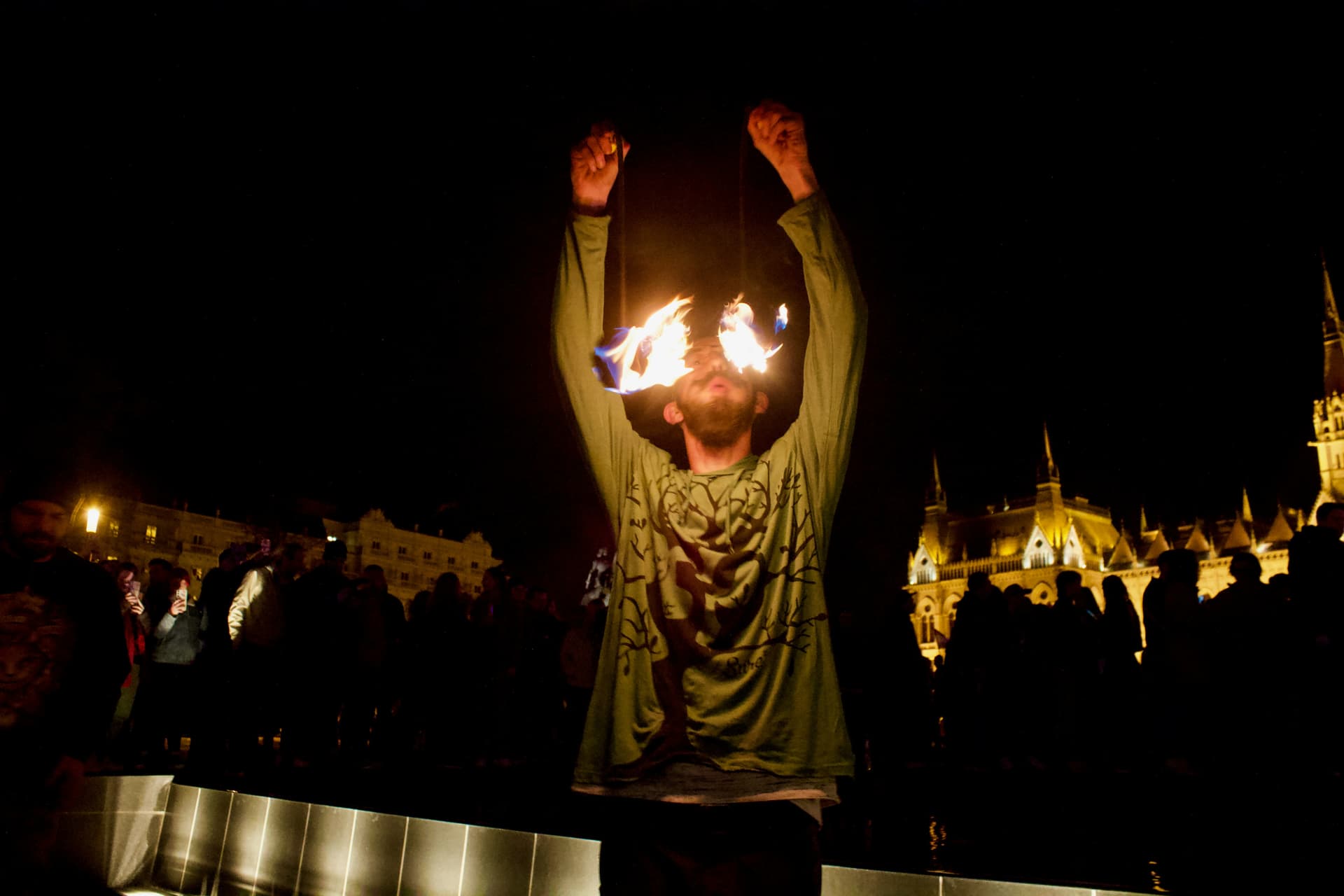
Hungary's folk heritage, rooted in regional customs that predate the modern Hungarian state, has maintained a visible presence in contemporary society through a network of cultural festivals, artisan guilds, and community dance houses known as táncházak.
The Táncház Movement
The táncház, or dance house, movement emerged in the 1970s as an effort to revive authentic Hungarian and Carpathian folk music and dance forms. Originally concentrated in Budapest, the model spread across the country and eventually gained international recognition. UNESCO acknowledged the táncház method as a model of intangible cultural heritage safeguarding, adding it to its list of best practices in the field.
Craft Traditions and Regional Identity
Traditional Hungarian crafts — including the intricate embroidery styles of Kalocsa and Matyó, hand-painted ceramics, and woodcarving — remain practiced in their regions of origin as well as in urban workshops and art schools. The Matyó embroidery tradition holds UNESCO Intangible Cultural Heritage status, a designation that has contributed to sustained interest from both domestic practitioners and international visitors.
Folk craft fairs, held seasonally in towns and cities throughout Hungary, serve as marketplaces and educational spaces where artisans demonstrate techniques passed through family and community lineages.
Institutional Support and Education
The Hungarian state has maintained formal support for folk traditions through cultural ministries, dedicated folk art funds, and curriculum integration at various educational levels. Folk music and dance instruction are available in community centers, music schools, and university programs, ensuring transmission to younger generations outside purely informal channels.
Hungarian folk ensembles also perform regularly at domestic and European festivals, maintaining a presence within broader Central European cultural exchange networks.
Open Questions
How the balance between preservation and commercialization will shape these traditions over coming decades remains an active discussion among ethnographers and practitioners. The role of digital platforms in both promoting and potentially diluting regional specificity is also an area under ongoing cultural scrutiny.
Sources: UNESCO Intangible Cultural Heritage Lists (ich.unesco.org); Hungarian Tourism Agency cultural documentation; Hungarian Academy of Sciences ethnographic research publications.
This article is based on a verified primary source. The text was editorially reviewed and fact-checked prior to publication.