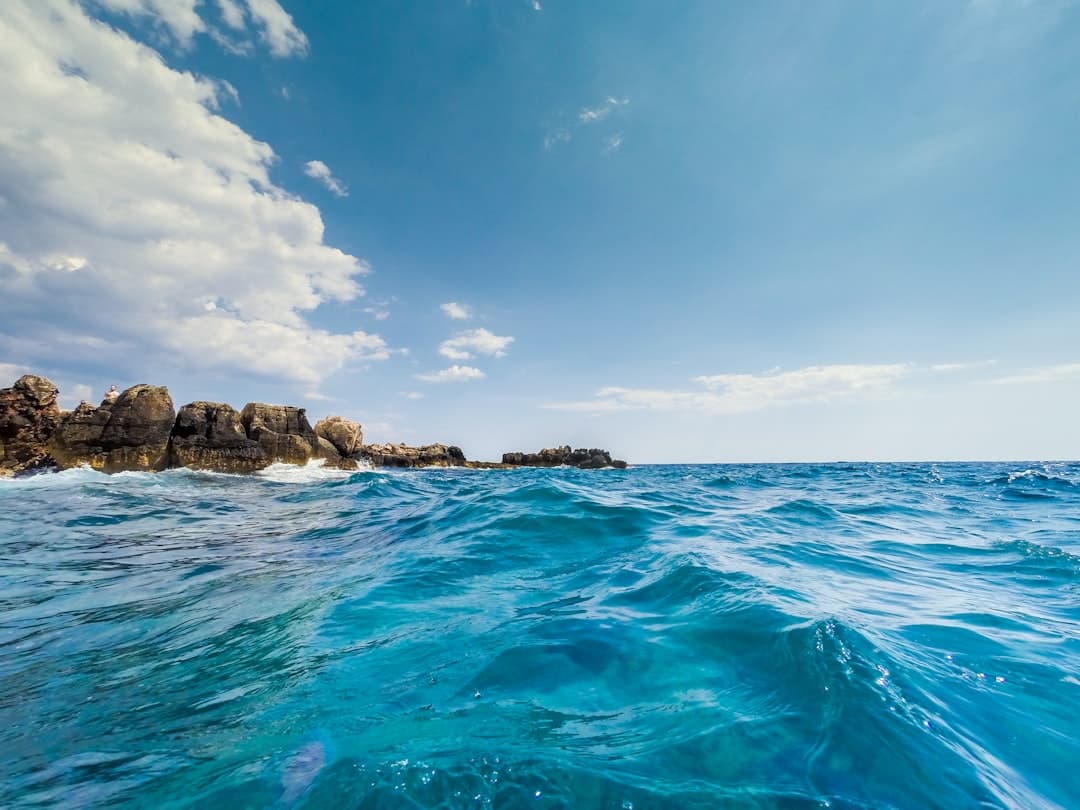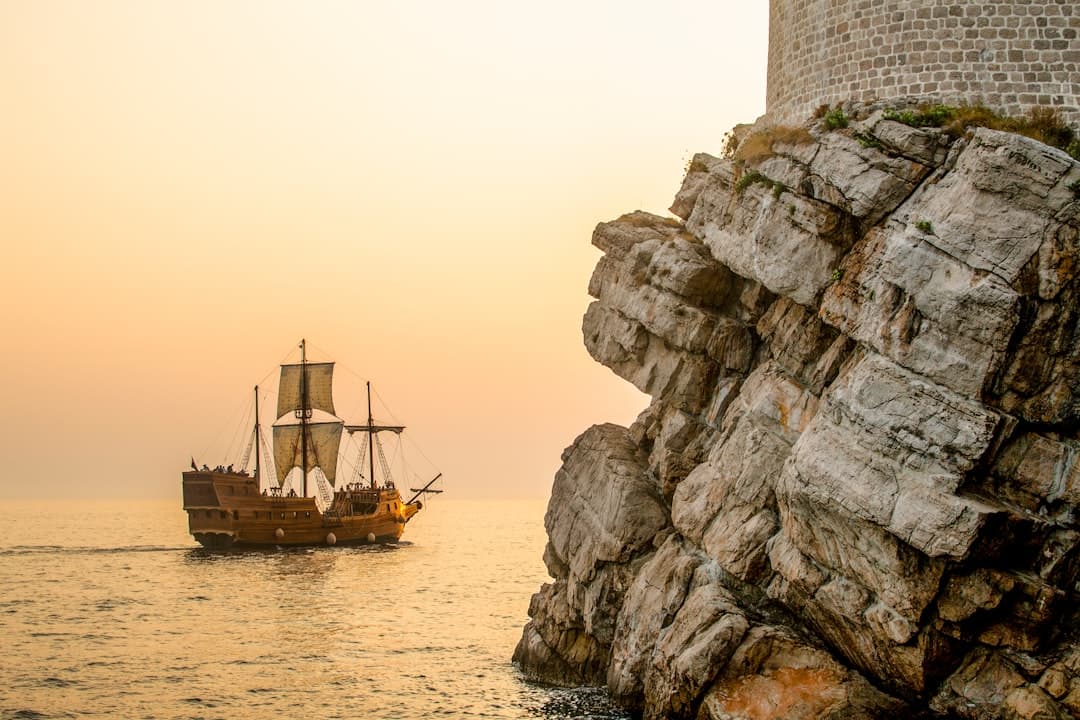
The Maltese archipelago, situated at the crossroads of the Mediterranean Sea between Sicily and North Africa, has long derived its identity from the sea. Its harbors — carved by centuries of competing civilizations — now serve as the primary draw for a growing international travel market.
Grand Harbour: A Living Monument
Valletta's Grand Harbour ranks among the largest and deepest natural harbors in the Mediterranean. Enclosed by limestone fortifications constructed largely during the rule of the Knights of St. John in the sixteenth and seventeenth centuries, the harbor functions simultaneously as a working port, a cruise ship terminal, and a UNESCO World Heritage Site. Valletta itself holds UNESCO recognition as a heritage city, a designation that reinforces the harbor's cultural and historical significance.
Marsaxlokk and the Fishing Tradition
Beyond Valletta, the southern village of Marsaxlokk preserves a distinct maritime character rooted in traditional fishing. The harbor is populated by luzzus, brightly painted wooden fishing boats that carry the painted eye of Osiris on their bows — a symbol with roots in Phoenician seafaring culture. The weekly fish market along the waterfront draws both local residents and international visitors.
Cruise and Yacht Tourism
Malta's geographic position at the center of the Mediterranean makes it a natural waypoint for cruise itineraries connecting Southern Europe with North Africa and the Eastern Mediterranean. The Malta Tourism Authority has consistently promoted harbor-based tourism as a core element of the country's travel infrastructure, and cruise passenger arrivals have grown significantly over the past two decades.
Cultural Continuity
The harbors function not merely as scenic backdrops but as active sites of cultural continuity. Annual regattas, religious maritime processions, and historical reenactments centered on harbor locations reinforce the connection between Maltese civic identity and the sea.
Open Questions
Whether Malta's harbor infrastructure can sustain increasing visitor volumes without degrading the heritage fabric that drives tourism remains an ongoing concern for urban planners and conservation bodies.
Sources: UNESCO World Heritage List, Malta Tourism Authority, Transport Malta, Encyclopaedia Britannica
This article is based on a verified primary source. The text was editorially reviewed and fact-checked prior to publication.