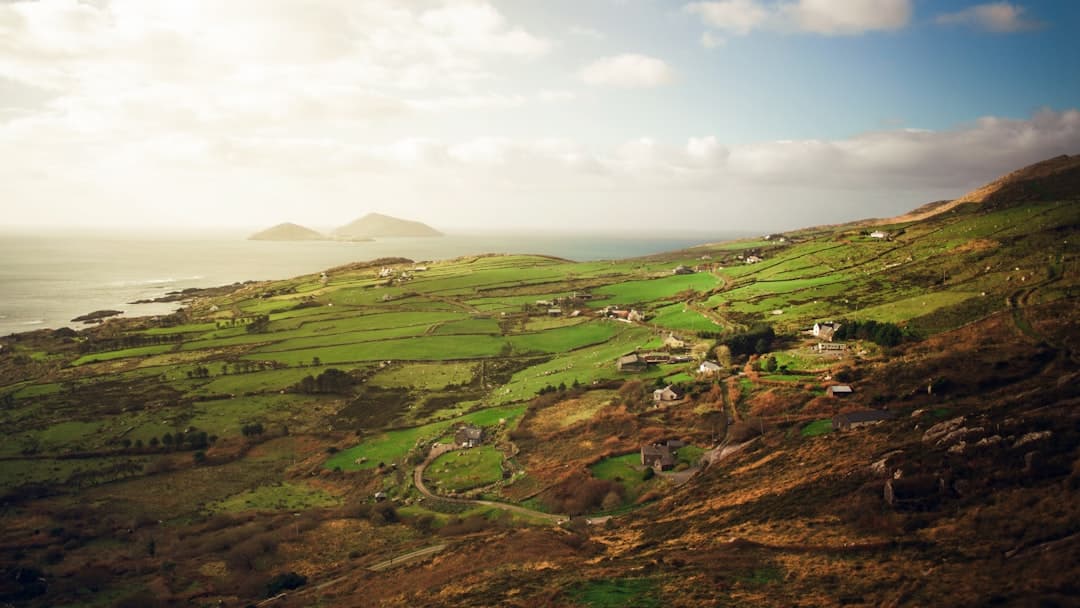
Across Ireland, a renewed engagement with Gaelic traditions is reshaping the country's cultural landscape. From the western Gaeltacht regions — where Irish remains a living community language — to urban centres such as Dublin and Cork, institutions and individuals are returning to practices that defined Irish life for centuries before British colonial rule.
Language as a Foundation
The Irish language, known as Gaeilge, sits at the core of the revival. State broadcaster RTÉ operates a dedicated Irish-language television channel, TG4, which has expanded its audience reach significantly since its launch in the late 1990s. The language holds official status in Ireland and, since 2022, has held full official language status within the European Union — a development that brought additional administrative and educational obligations for the Irish government.
Music and Oral Tradition
Traditional Irish music, encompassing instruments such as the uilleann pipes, fiddle, and bodhrán, continues to serve as a primary vehicle for cultural transmission. Comhaltas Ceoltóirí Éireann, a voluntary organisation founded in the mid-twentieth century, maintains a global network of branches that teach and preserve traditional music, song, and dance. The organisation operates across dozens of countries, reflecting the influence of the Irish diaspora in sustaining these practices internationally.
Education and Youth Engagement
Gaelscoileanna — schools that deliver education entirely through the Irish language — have expanded significantly in recent decades, with demand outpacing available places in several urban areas. This growth indicates that younger generations are engaging with the language not merely as a school subject but as a medium of daily life.
Sporting and Ceremonial Traditions
The Gaelic Athletic Association, founded in 1884, continues to organise hurling and Gaelic football at community and national levels, embedding indigenous sporting culture into Irish civic identity. GAA fixtures and ceremonies frequently incorporate Irish language and traditional music, reinforcing the interconnected nature of the revival.
Open Questions
Whether urban Gaelic revival movements can sustain momentum without state funding remains an open debate. The long-term health of native Gaeltacht communities, where Irish is spoken as a first language, also faces ongoing demographic and economic pressures that policy alone may not resolve.
Sources: RTÉ, TG4, Comhaltas Ceoltóirí Éireann, Gaelic Athletic Association, European Union Official Languages Registry, Irish Department of Education
This article is based on a verified primary source. The text was editorially reviewed and fact-checked prior to publication.