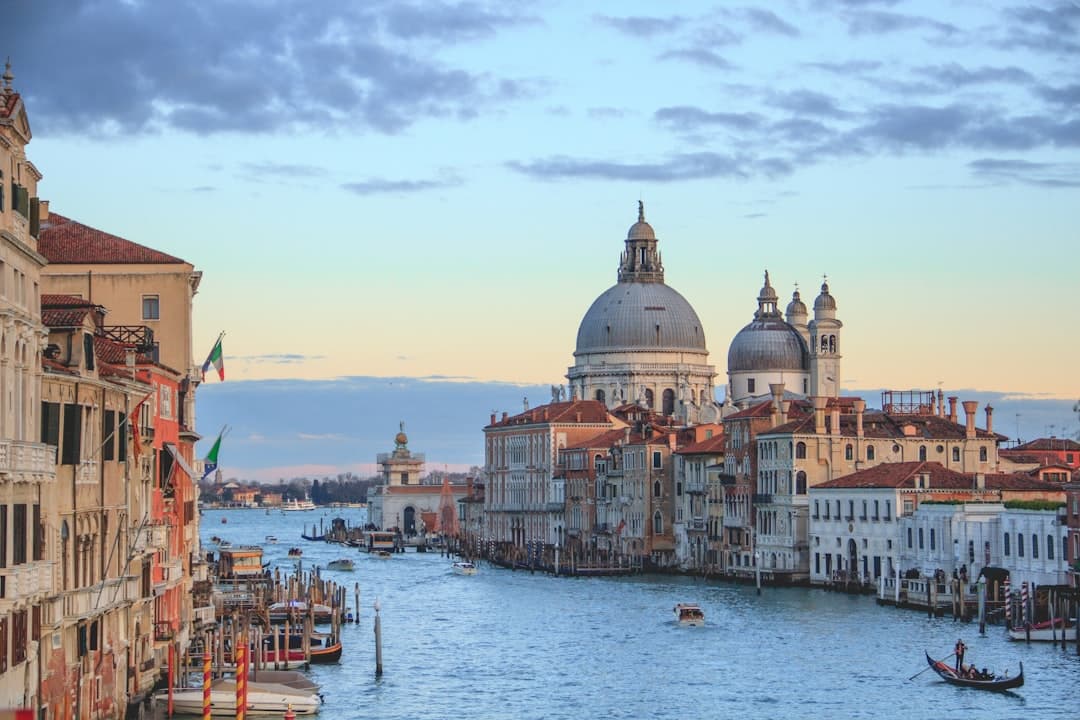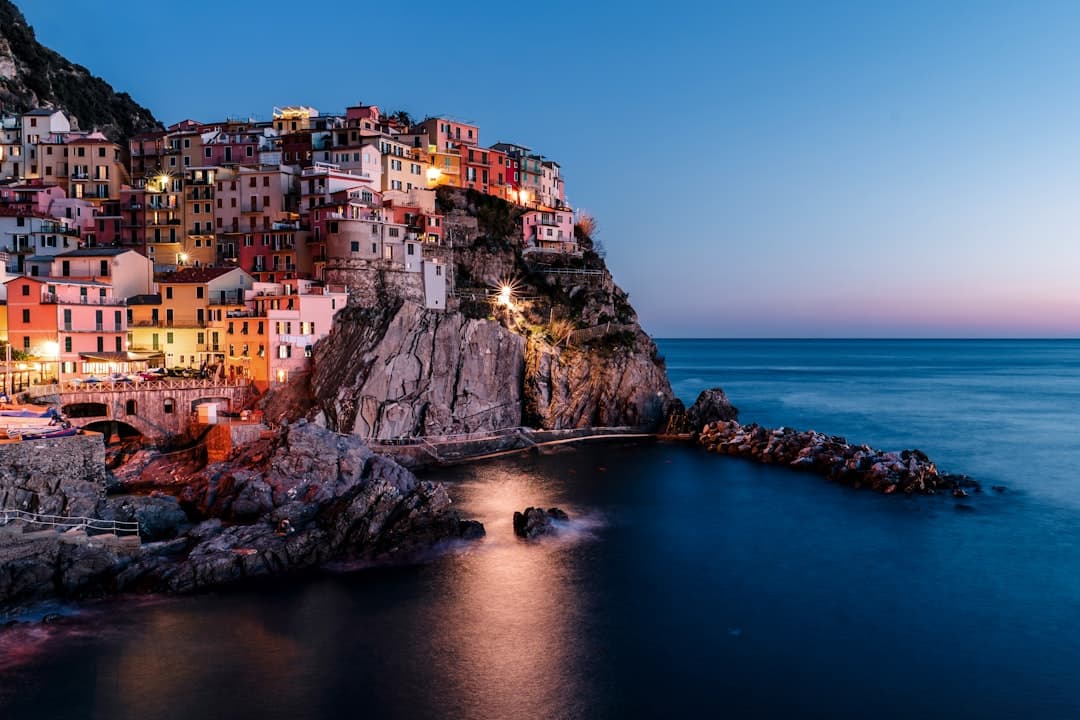
Italy's extensive system of long-distance walking routes draws a growing international audience each year, with trails spanning mountain ranges, coastal paths, and medieval pilgrimage roads that pass through some of the country's most historically significant landscapes.
A Network Built on Centuries of Movement
The Via Francigena, a medieval pilgrimage route connecting Canterbury in England to Rome, remains one of the most recognized long-distance trails in Europe. The Italian section passes through Tuscany, Lazio, and the Po Valley, offering walkers access to walled towns, Romanesque churches, and rural countryside that has changed little in form over centuries. The route holds official recognition from the Council of Europe as a Cultural Itinerary.
The Sentiero Italia, a national trail running the length of the Italian peninsula and through its major island chains, represents one of the longest continuous footpaths in Europe. Managed in part by the Club Alpino Italiano, the route covers diverse terrain from the Alps in the north to Sicily in the south.
Regional Trails Add Depth to the Offering
Beyond the major routes, regional paths such as the Alta Via trails in the Dolomites and the Cinque Terre coastal walk draw substantial international visitor numbers. The Dolomites, a UNESCO World Heritage Site, offer high-altitude routes accessible to walkers of varying experience levels during summer months.
Local municipalities and regional tourism bodies across Italy have invested in trail signage, waymarking, and the development of accommodation networks along key corridors, making multi-day itineraries more accessible to international visitors unfamiliar with the terrain.
Cultural Tourism and Hiking Converge
The overlap between cultural tourism and outdoor recreation has become a defining characteristic of hiking in Italy. Many established routes pass directly through historic city centers, archaeological sites, and landscapes designated for their heritage value, distinguishing the Italian hiking experience from purely wilderness-oriented destinations elsewhere in Europe.
Open Questions
How sustainable is the infrastructure supporting high-traffic trail sections during peak summer months? What role will climate change play in the long-term accessibility of high-altitude Alpine routes?
Sources: Council of Europe Cultural Routes Programme, Club Alpino Italiano, UNESCO World Heritage List, Italian National Tourism Agency (ENIT)
This article is based on a verified primary source. The text was editorially reviewed and fact-checked prior to publication.