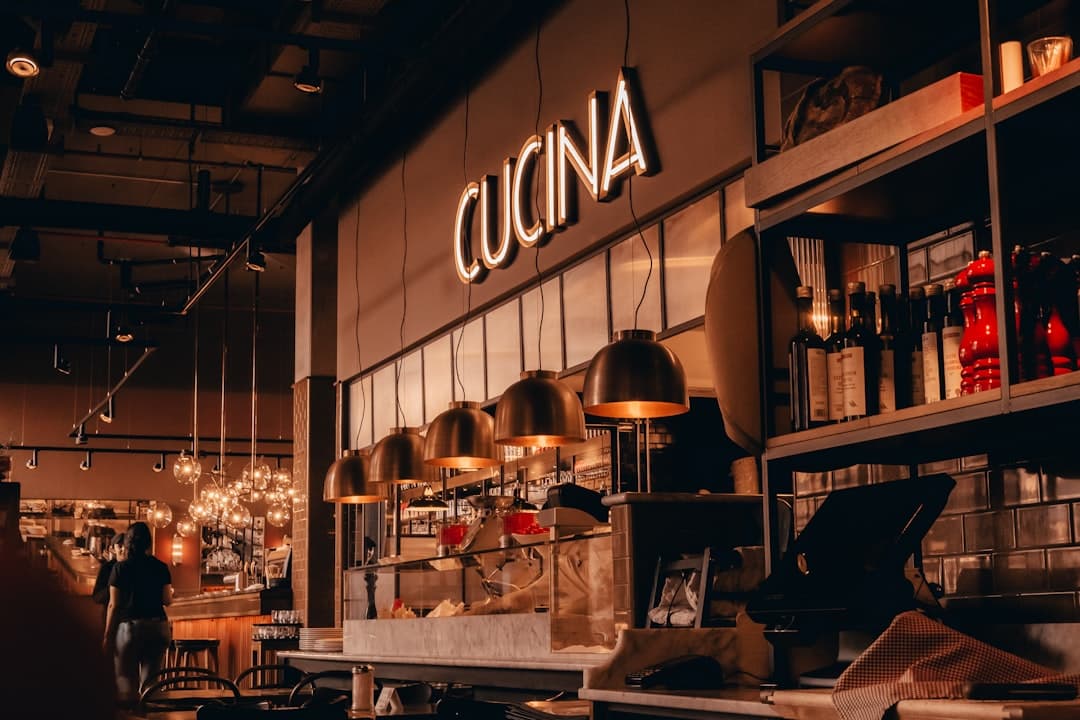
Across the European continent, a quiet but measurable shift is reshaping the way people cook, eat, and think about food. Traditional recipes — many passed down through generations and long overshadowed by industrial food production and international fast-food chains — are experiencing a renewed prominence in professional kitchens, domestic households, and food tourism circuits alike.
Roots of the Revival
The movement draws on a confluence of factors. Growing awareness of food provenance, environmental sustainability, and cultural identity has prompted both chefs and consumers to revisit culinary traditions that had largely fallen out of mainstream practice over the latter half of the twentieth century. In countries such as Italy, France, Spain, and Portugal, regional dishes that were once considered rustic or old-fashioned have re-emerged on restaurant menus and in cookbooks with renewed prominence.
European Union initiatives supporting protected designations of origin — including the PDO and PGI certification schemes — have also played a structural role. These programs legally protect the names and production methods of hundreds of traditional food products, from Parmigiano-Reggiano in northern Italy to Melton Mowbray pork pies in England, lending institutional weight to the preservation of culinary heritage.
Regional Diversity as a Selling Point
The revival is not uniform across the continent. In Scandinavia, the so-called New Nordic movement — which gained international attention through Copenhagen's fine-dining scene — drew heavily on foraged ingredients and pre-industrial preservation techniques such as fermentation and cold smoking. While the movement originated in high-end restaurants, its influence has since filtered into home cooking and food retail throughout Denmark, Sweden, Norway, and Finland.
In the Balkans and Eastern Europe, countries including Romania, Bulgaria, and Slovenia have seen renewed domestic and international interest in their respective food traditions. Dishes built around seasonal vegetables, cured meats, and locally milled grains — staples of rural households for centuries — are being reframed not as remnants of scarcity, but as markers of regional identity and nutritional value.
The Iberian Peninsula presents a similar pattern. Spanish regions such as the Basque Country, Catalonia, and Castile each maintain distinct culinary identities, and local governments have increasingly incorporated gastronomy into cultural tourism strategies. Portugal, meanwhile, has seen a surge in international recognition for its traditional seafood dishes, wine production, and pastry traditions, contributing to significantly increased visitor numbers in cities like Lisbon and Porto.
The Role of Food Education and Media
Television programming, documentary filmmaking, and social media platforms have amplified interest in traditional European food. Streaming services have produced widely viewed series profiling regional cooking traditions, introducing audiences outside Europe to dishes and techniques that might otherwise remain obscure beyond their localities. Food historians and culinary anthropologists have also gained broader platforms, contributing to public discourse around the cultural dimensions of eating.
Culinary schools in several European countries have revised their curricula to include coursework on regional and historical cooking methods. This institutional shift reflects a broader acknowledgment that traditional techniques — including bread fermentation, charcuterie, and preserving — carry both cultural and practical relevance for the next generation of food professionals.
Economic and Agricultural Dimensions
The gastronomy revival carries economic implications that extend beyond restaurant revenues. Demand for traditional ingredients has supported small-scale farmers, artisan producers, and rural communities whose livelihoods depend on heritage crop varieties and livestock breeds. Agricultural organizations across Europe have documented growing market interest in heirloom grains, heritage-breed meats, and raw-milk cheeses — categories that had contracted significantly during the industrial food expansion of the postwar era.
Food tourism, broadly defined as travel motivated in part by culinary experience, has become a measurable component of the European tourism economy. Regional food trails, harvest festivals, and cooking workshops attract visitors to rural areas that benefit economically from the association of place with distinctive culinary tradition.
Open Questions
Whether the current revival represents a durable structural shift or a cyclical trend remains an open question among food economists and cultural analysts. The extent to which traditional food practices can be scaled to meet mass-market demand — without diluting the qualities that define them — continues to challenge producers, policymakers, and chefs navigating a rapidly changing food landscape.
Sources: European Commission PDO/PGI Registry; UNESCO Intangible Cultural Heritage documentation on Mediterranean and Nordic food traditions; European Travel Commission food tourism research; Nordic Council of Ministers publications on the New Nordic food movement.
This article is based on a verified primary source. The text was editorially reviewed and fact-checked prior to publication.


