Belgium's relatively small size — roughly the area of Maryland — allows travelers to move between dramatically different environments within a matter of hours. Rail connections between major cities are frequent and reliable, operated primarily through the national carrier NMBS/SNCB, making car-free weekend travel a practical option for most visitors.
Bruges and the Flemish Coast
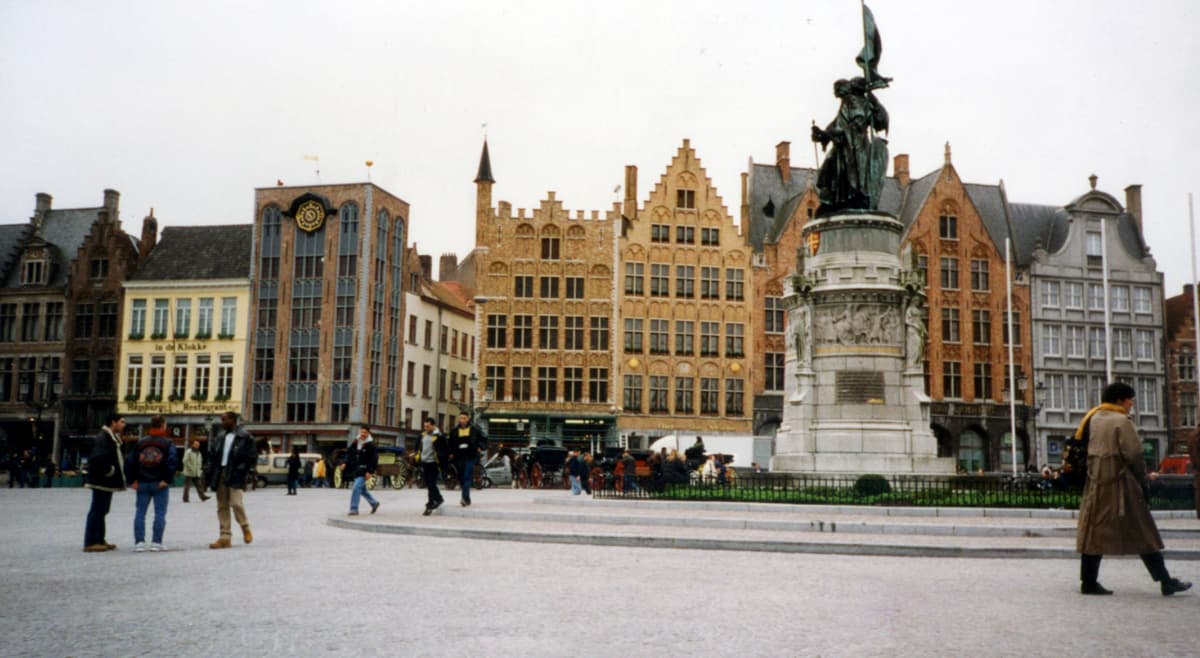
Bruges, located in the northwest province of West Flanders, is consistently recognized as one of the best-preserved medieval city centers in Northern Europe. Its network of canals, Gothic architecture, and UNESCO-listed historic core draw visitors throughout the year. The Belgian coast, accessible by a single tram line running along its full length, offers a markedly different atmosphere, with the North Sea resort towns of De Panne, Knokke-Heist, and Ostend each carrying their own character.
Ghent
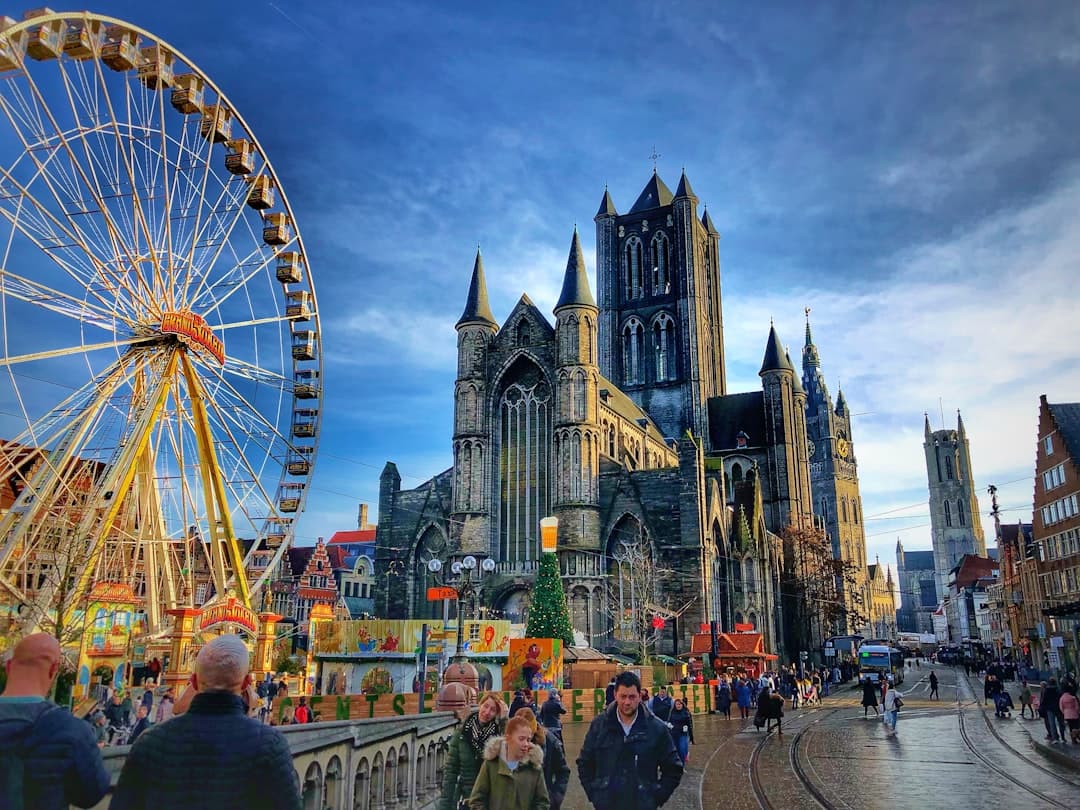
Ghent functions as a working city with a rich artistic and architectural heritage. The Gravensteen castle, Saint Bavo's Cathedral — home to the Van Eyck altarpiece — and the Graslei waterfront are among the city's principal landmarks. Ghent's university population sustains an active cultural calendar that extends through most of the year.
The Ardennes
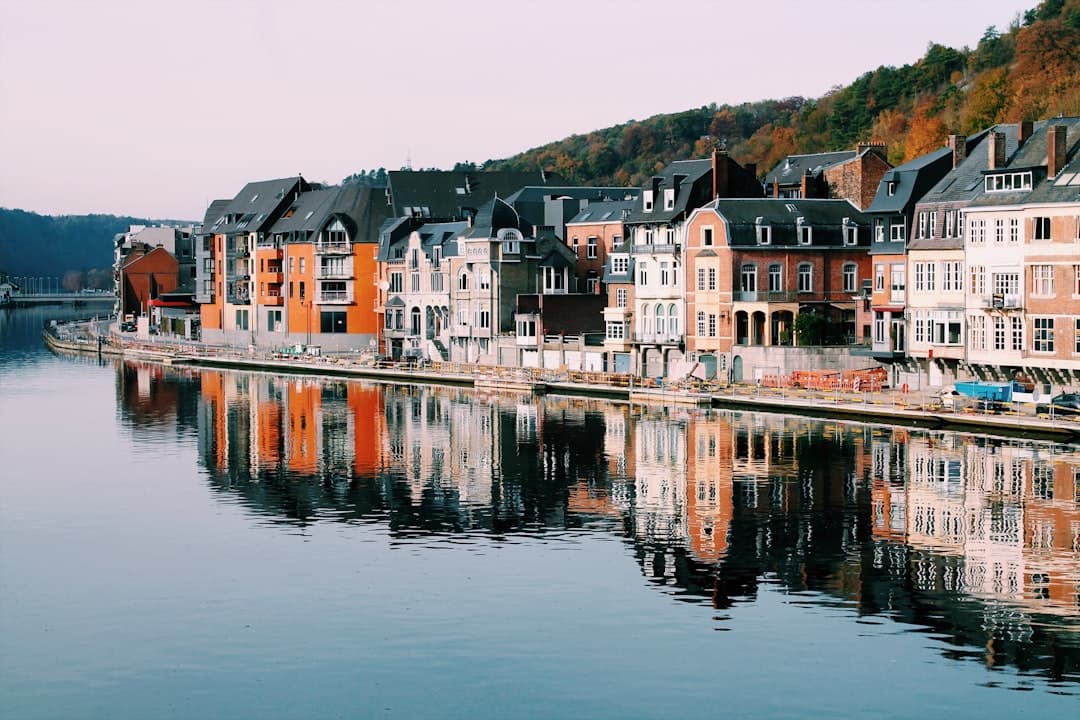
In the southeast, the Ardennes region spans parts of Wallonia and extends into Luxembourg and Germany. Towns such as Dinant, Durbuy, and La Roche-en-Ardenne serve as bases for hiking, kayaking along the Ourthe and Lesse rivers, and visiting sites connected to the Second World War's Battle of the Bulge. The landscape shifts considerably from the flat lowlands of the north, offering wooded hills and river valleys.
Brussels and Its Surroundings
The capital itself contains the Grand-Place, classified as a UNESCO World Heritage Site, along with the Art Nouveau architecture concentrated in the Ixelles and Saint-Gilles communes. Day trips from Brussels to Leuven, Mechelen, or the Walloon town of Namur extend a city visit without requiring an overnight stay.
Open Questions
Whether Belgium's regional linguistic divide — between Dutch-speaking Flanders, French-speaking Wallonia, and the German-speaking east — affects tourism infrastructure coordination between regions remains an area of ongoing policy discussion.
Sources: NMBS/SNCB official rail information, UNESCO World Heritage List, Visit Flanders tourism authority, WBT (Wallonia-Brussels Tourism), Visit Brussels official portal.
This article is based on a verified primary source. The text was editorially reviewed and fact-checked prior to publication.