Belgium occupies a modest geographic footprint in northwestern Europe, yet its culinary output has earned recognition far beyond its borders. The country's food culture is shaped by two primary regional traditions — Flemish cooking from the north and Walloon cooking from the south — along with historical ties to French gastronomy and the influence of international trade through the port of Antwerp.
Moules-Frites
Mussels served alongside crispy fried potatoes represent one of the most iconic pairings in Belgian cuisine. The dish is widely consumed across the country and is particularly associated with the coastal region of Zeeland, where mussels are harvested seasonally. Belgian frites — cooked twice in animal fat or vegetable oil for a distinctive texture — are considered a national staple in their own right and are traditionally served in paper cones with mayonnaise.
Carbonade Flamande
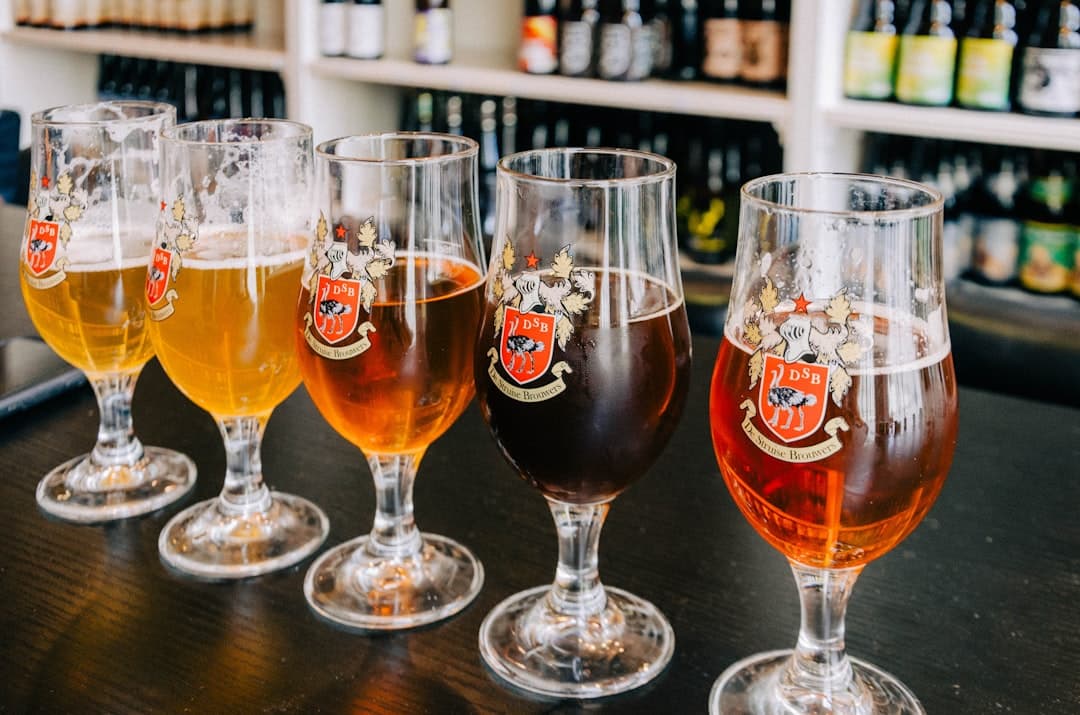
This slow-braised beef stew, cooked with Belgian ale and seasoned with thyme and bay leaf, is a cornerstone of Flemish home cooking. The use of beer as a braising liquid reflects Belgium's long tradition of artisan brewing, which encompasses hundreds of recognized styles, including Trappist ales produced by monastic communities.
Waffles
Belgium produces two distinct waffle styles: the Brussels waffle, which is rectangular, light, and typically served with toppings, and the Liège waffle, which is denser, sweeter, and embedded with pearl sugar that caramelizes during cooking. Both varieties have achieved widespread international recognition.
Speculoos and Chocolate
Speculoos, a spiced shortcrust biscuit traditionally associated with the feast of Saint Nicholas, has become a year-round export product. Belgian chocolate, produced using a specific conching and tempering process, carries a well-established international reputation, with major production centers located in Brussels, Bruges, and Ghent.
Waterzooi
Originating in Ghent, waterzooi is a creamy stew historically made with freshwater fish, though chicken has become the more common preparation. The dish is recognized as a protected regional specialty and remains a fixture on menus throughout East Flanders.
Open Questions
Whether Belgian frites or French fries hold the true historical origin of the fried potato dish remains a subject of ongoing debate among culinary historians.
Sources: Visit Flanders (visitflanders.com), Tourism Wallonia (wallonia.be), UNESCO Intangible Cultural Heritage listings, Belgian Brewers Association (belgianbrewers.be)
This article is based on a verified primary source. The text was editorially reviewed and fact-checked prior to publication.