Belgium occupies a distinctive place in European culinary culture, one that its citizens and food producers have cultivated across centuries. While Belgian chocolate commands global recognition, the country's broader food traditions reflect a layered history shaped by Flemish, Walloon, and Brussels-specific influences.
Frites: A National Institution
Belgian frites — deep-fried potatoes served in paper cones — are widely regarded as a national staple rather than a side dish. The preparation method, which involves frying potatoes twice to achieve a crisp exterior, distinguishes them from similar products elsewhere in Europe. Friteries and fritkots, the standalone frite stands found across cities and towns, function as informal community gathering points and have been part of Belgian street life for generations.
Flemish Beef Stew and Regional Cooking
Carbonnade flamande, a slow-cooked beef and onion stew braised in Belgian ale, represents one of the country's most recognized traditional dishes. The recipe varies by household and region, but the use of local dark or amber beer as a braising liquid remains a consistent element. In the Walloon south, game dishes and preparations using locally foraged ingredients reflect the more rural, forested character of the landscape.
Beer as a Culinary Tradition
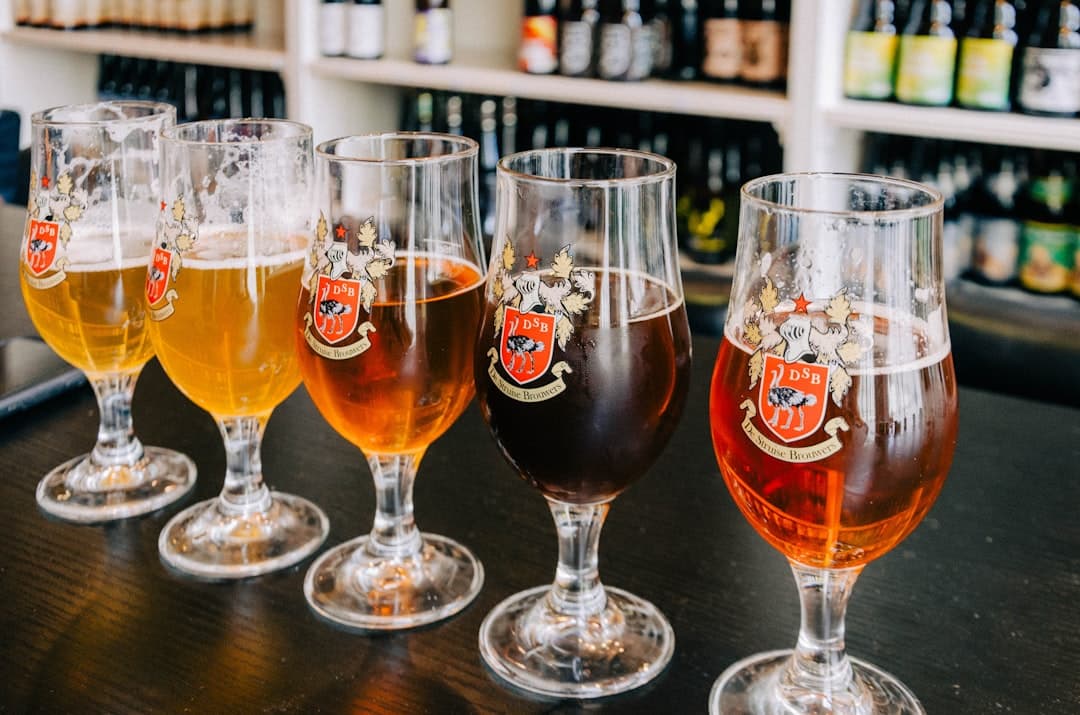
Belgium holds UNESCO recognition for its beer culture, which encompasses several hundred distinct breweries and a wide range of styles including lambic, Trappist ales, and saisons. Belgian beer is frequently incorporated into cooking, functioning as both an ingredient and a pairing companion to dishes across regions.
Waffles, Speculoos, and Artisan Baking
Two distinct waffle styles — the Liège waffle, dense and caramelized, and the lighter Brussels waffle — each carry regional identities. Speculoos, a spiced shortcrust biscuit historically associated with the feast of Saint Nicholas, has transitioned from a seasonal product into a year-round export recognized internationally. Artisan bakeries across the country continue to produce these items using traditional methods alongside modern variations.
Belgium's culinary geography rewards those who look beyond its most exported products, offering a range of regional dishes rooted in agricultural tradition and cultural history.
Open Questions
How are younger Belgian chefs interpreting traditional recipes in contemporary restaurant settings? To what extent does the country's food tourism infrastructure communicate regional distinctions to international visitors?
This article is based on a verified primary source. The text was editorially reviewed and fact-checked prior to publication.