Across Europe, a quiet but consequential competition is unfolding. Cities historically known for their artistic and intellectual traditions are now deploying deliberate strategies to expand their cultural reach beyond their borders, positioning themselves not only as regional centers but as globally recognized creative capitals.
The Established Players
Paris remains one of the most recognized names in global creative culture, anchored by institutions such as the Louvre, the Centre Pompidou, and a fashion industry that continues to set international trends. The French capital has long benefited from state-backed cultural investment, a policy tradition embedded in the broader framework of French cultural diplomacy known as rayonnement culturel.
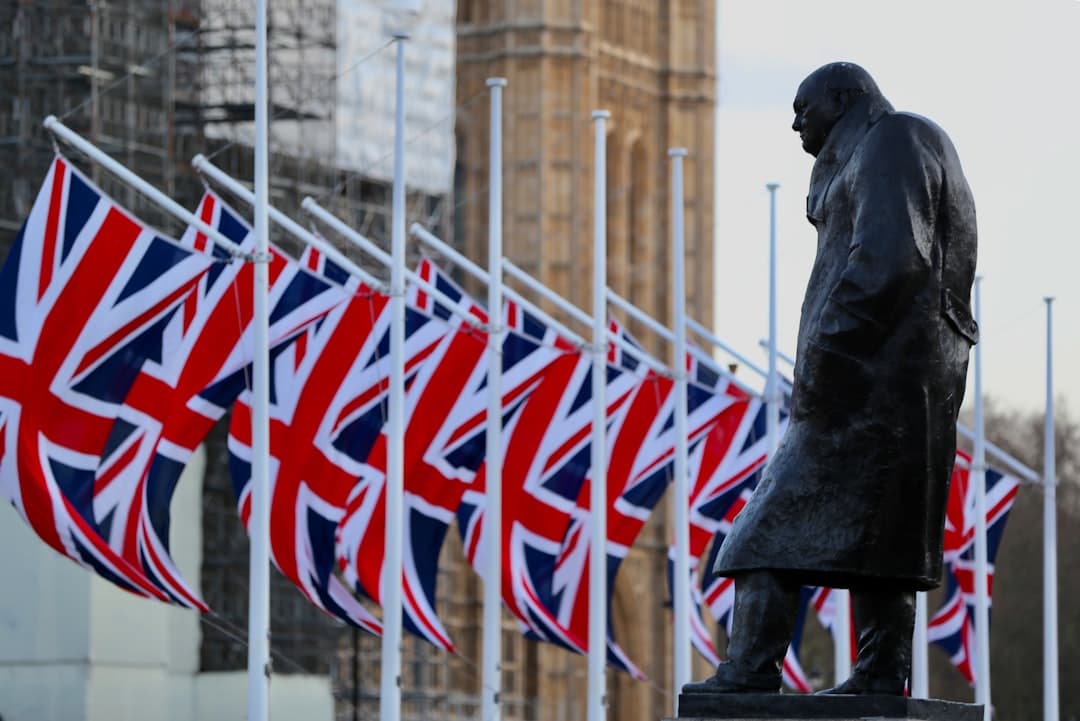
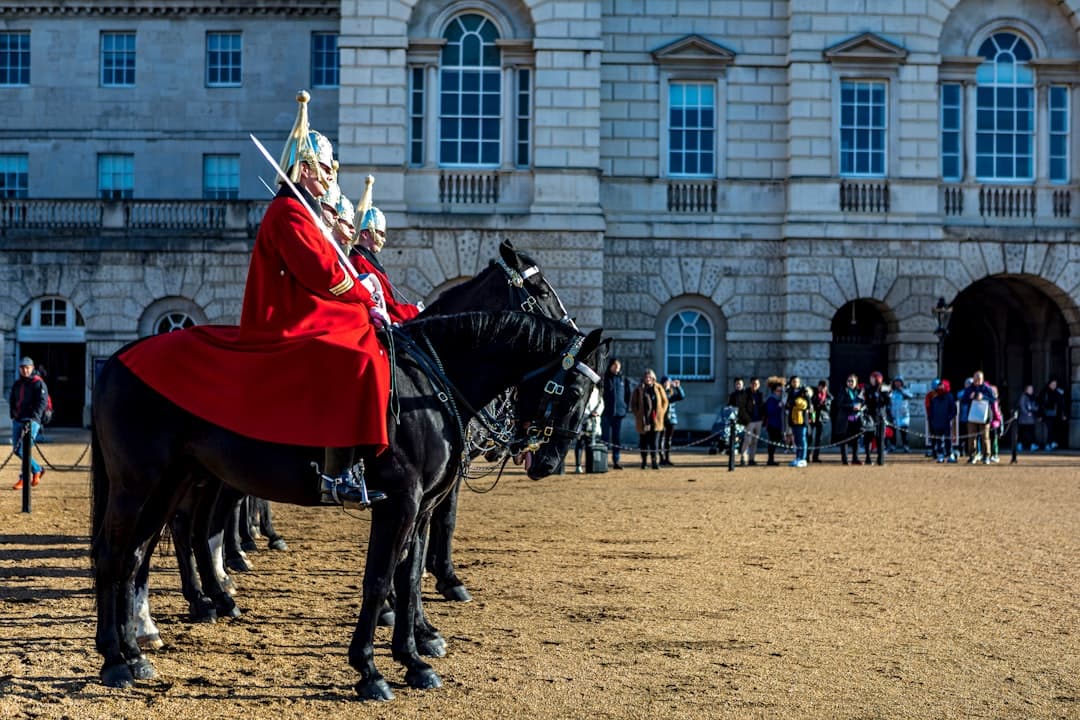
London, despite the complexities introduced by the United Kingdom's departure from the European Union, retains significant influence through its music industry, contemporary art market, and world-class performing arts infrastructure. The city's cultural economy remains one of the largest in Europe, supported by institutions ranging from the British Museum to the Barbican Centre.
Berlin has emerged over recent decades as a distinct counterpoint to these established capitals. The city's reputation in electronic music, independent film, and contemporary visual arts has drawn a large community of international artists and creative professionals, drawn in part by comparatively lower living costs and a permissive cultural atmosphere.
Rising Challengers
Beyond the traditional triumvirate, a number of cities have made measurable progress in raising their international cultural profiles. Amsterdam continues to leverage its museum infrastructure — including the Rijksmuseum and the Van Gogh Museum — alongside a growing design and technology sector to attract creative industries.
Further east, Warsaw and Kraków have invested significantly in cultural infrastructure following Poland's broader economic expansion. Warsaw's Museum of the History of Polish Jews, known as POLIN, has received international recognition, while Kraków's designation as a UNESCO Creative City of Literature has reinforced its literary and academic reputation.
Lisbon has attracted considerable attention in recent years, with a flourishing contemporary arts scene, a well-attended design and technology conference circuit, and a growing number of international creative professionals relocating to the city. Barcelona similarly maintains a strong global identity rooted in architecture, design, and a vibrant independent arts community.
The Role of Cultural Policy
The competition between these cities is shaped in part by how national and municipal governments choose to fund and promote cultural activity. The European Union's Creative Europe programme provides funding to cultural and creative sectors across member states, supporting cross-border collaboration and the international circulation of European works.
Cities designated as European Capitals of Culture — an annual EU initiative — receive a significant, if temporary, boost in international visibility. Past holders of the title have used the designation to accelerate longer-term investments in cultural infrastructure and civic identity.
Talent and the Creative Economy
The ability to attract and retain creative talent has become a central variable in this competition. Cities that offer affordable workspaces, accessible arts education, and open immigration frameworks have generally shown stronger growth in their creative sectors. The relationship between cultural vibrancy and economic development is well-documented; creative industries contribute substantially to employment and export revenues across major European economies.
Digital platforms have also altered the dynamics of cultural influence. A city's global reach is no longer determined solely by the physical presence of its institutions but by how effectively its creative output circulates online and across international media.
As European cities continue to evolve their cultural strategies, the competition for global creative influence shows no signs of diminishing — and the outcomes will carry consequences for tourism, investment, and soft power well into the coming decades.
Open Questions
Will smaller cities with targeted cultural investments be able to challenge the dominance of established capitals? How will post-pandemic shifts in where creative professionals choose to live reshape the geography of European cultural influence? And to what extent will digital distribution continue to decouple cultural influence from physical location?
This article is based on a verified primary source. The text was editorially reviewed and fact-checked prior to publication.