Each year, as the longest days of the Nordic summer arrive, Swedes across the country mark Midsummer with a set of rituals that have persisted for centuries. The celebration, known in Swedish as Midsommar, is a public holiday anchored to the Friday nearest the summer solstice and is widely regarded as one of the most culturally significant dates on the Swedish calendar.
Roots in Pre-Christian Tradition
Scholars trace elements of Midsummer observance to ancient Norse and Germanic agricultural customs, when communities held ceremonies intended to ensure fertile harvests and ward off evil spirits. The Christian church later absorbed many of these practices under the feast of St. John the Baptist, though in Sweden the secular dimensions of the celebration have remained dominant. The raising of the midsommarstång — a flower-adorned maypole — stands as the visual centerpiece of festivities and is believed to carry symbolic connections to older fertility rites.
Rituals Passed Between Generations
Traditional activities include weaving crowns from wildflowers, performing folk dances around the maypole to songs such as Små grodorna, and consuming seasonal foods including pickled herring, new potatoes with dill, and strawberries. These customs are transmitted largely through family and community participation rather than formal instruction, giving the holiday a living, informal quality that reinforces its intergenerational appeal.
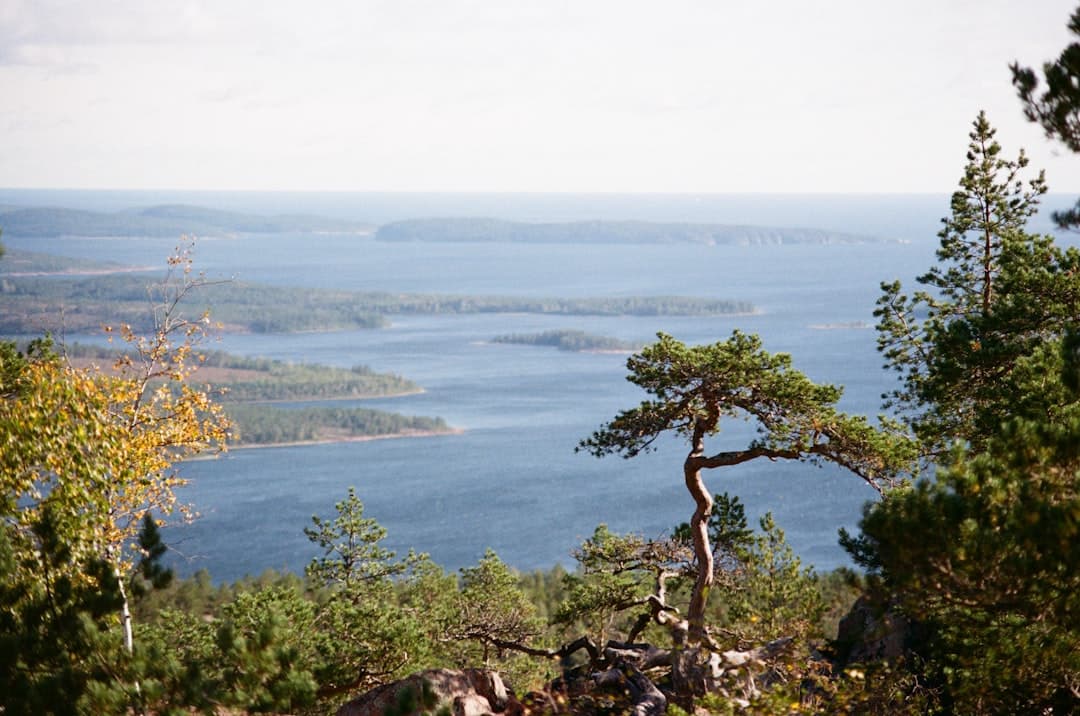
Rural areas and archipelago communities tend to host the most elaborate gatherings, with many urban Swedes traveling to summer cottages for the occasion. The Swedish countryside becomes notably active during this period, reflecting the holiday's strong association with nature and open landscapes.
A Holiday Resistant to Commercialization
Unlike Christmas or Easter, Midsummer has remained relatively free from large-scale commercial activity. Retailers do market seasonal produce and traditional dress, but the celebration's core elements are rooted in communal and domestic settings rather than consumer spending. Cultural institutions including the Nordiska museet in Stockholm document and preserve records of regional Midsummer variations across Sweden's diverse provinces.
This article is based on a verified primary source. The text was editorially reviewed and fact-checked prior to publication.