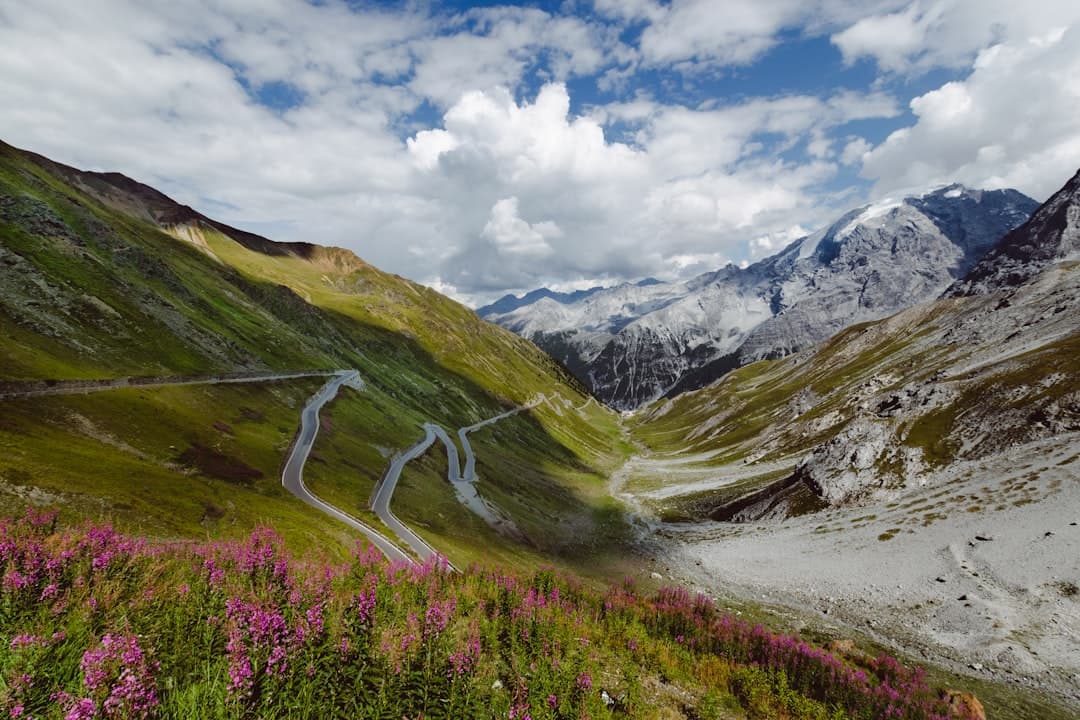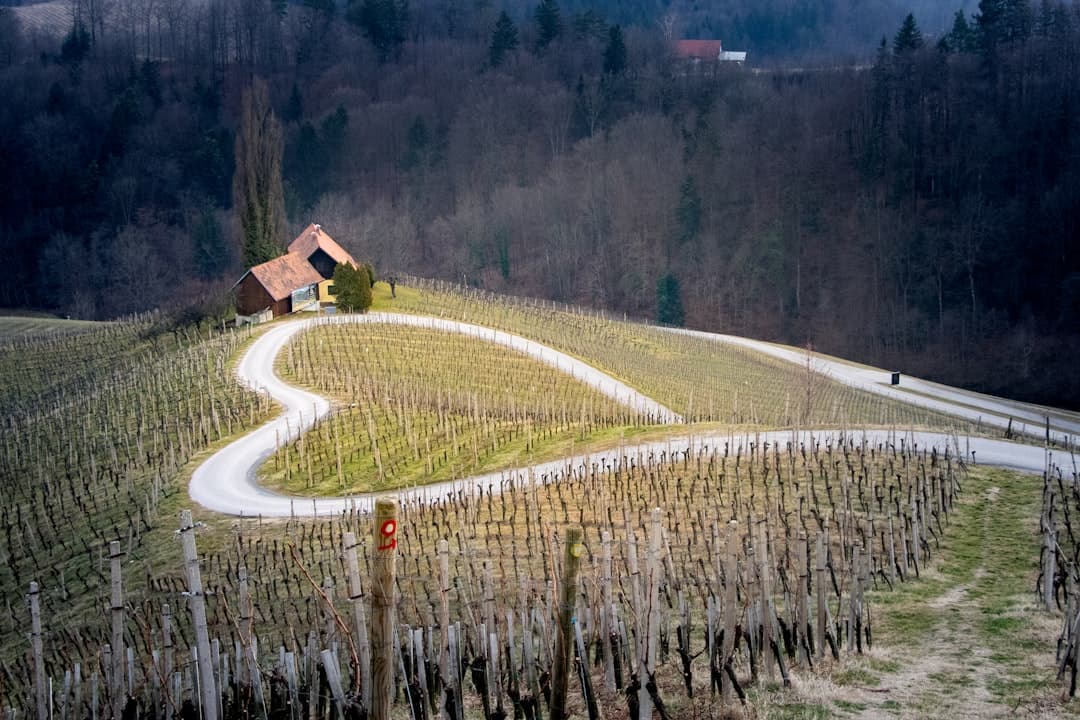
Slovenia, though modest in size, maintains three officially recognized wine-producing regions: Podravje in the northeast, Posavje in the southeast, and Primorska along the western edge bordering Italy. Each region carries its own microclimate, grape varieties, and winemaking traditions, making the country's wine roads a study in contrast as much as continuity.
A Network Built for Exploration
The Slovenian wine roads are formally marked routes that guide visitors through vineyard-covered hillsides, family-run estates, and cooperative cellars. In Primorska, the Karst plateau produces Teran, a red wine made from the Refošk grape and recognized under a protected designation of origin. The Vipava Valley, also within Primorska, is known for its autochthonous white varieties and has drawn growing international attention in recent years.
In the northeast, the Jeruzalem-Ljutomer area within Podravje represents one of the oldest documented wine-growing areas in the region, with hillside vineyards that have been cultivated for centuries. The area's name, according to local historical accounts, is believed to have been given by Crusaders who found the landscape reminiscent of the Holy Land.
Rural Tourism and Local Economy
The wine routes serve a dual function: they preserve agricultural land use while supporting rural tourism infrastructure. Along the roads, visitors encounter traditional gostilnas — Slovenian inns — alongside wine tasting facilities and agritourism accommodations. The Slovenian Tourist Board has incorporated wine tourism into broader national promotion strategies, positioning the country as a destination for experiential travel within the European market.
Slovenia's wine production, while smaller in volume than neighboring Italy or Austria, has gained recognition through international competitions and export growth into Western European and North American markets. The wine roads provide direct access to producers who might otherwise remain outside mainstream distribution channels.
Open Questions
Whether Slovenia's wine tourism infrastructure can scale to meet rising demand without compromising the character of its rural routes remains an area of ongoing discussion among regional planners and tourism stakeholders.
Sources: Slovenian Tourist Board (slovenia.info), Wine of Slovenia (winesofSlovenia.com), European Commission Geographical Indications Register, Encyclopedia Britannica
This article is based on a verified primary source. The text was editorially reviewed and fact-checked prior to publication.