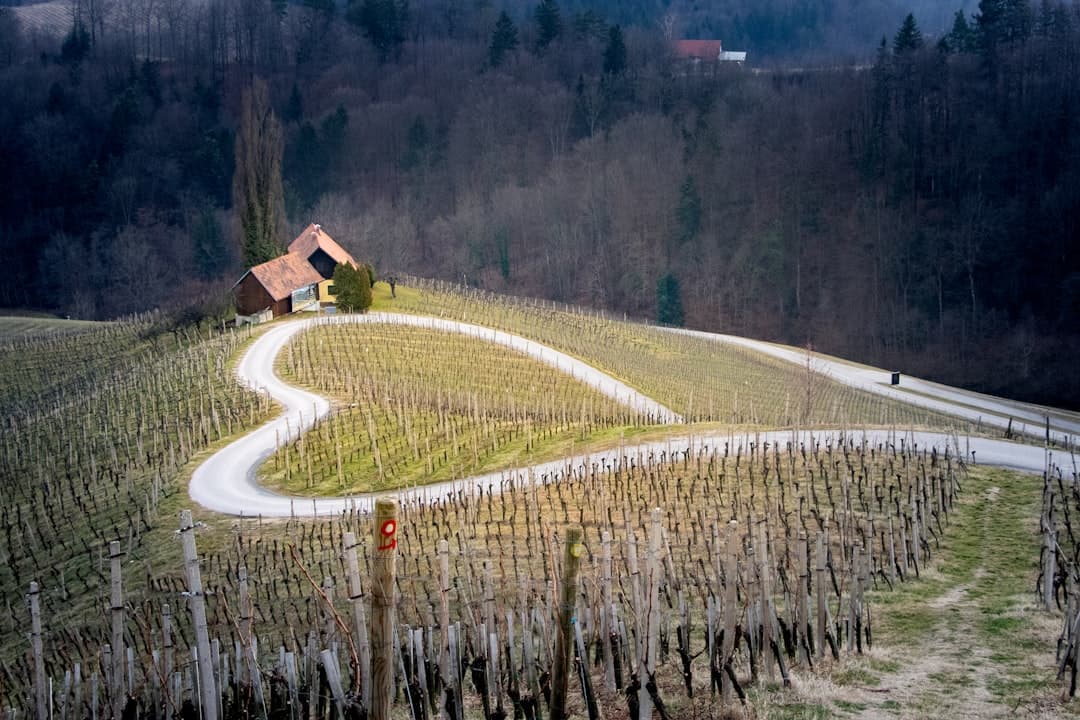
Slovenia, a small Central European nation bordered by Italy, Austria, Hungary, and Croatia, has steadily built a reputation as a producer of high-quality wines that compete alongside better-known European appellations. The country's winemaking tradition spans centuries, yet its presence in international markets has expanded considerably only in recent decades.
Three Regions, Distinct Identities
Slovenian wine production is organized around three main regions: Podravje in the northeast, Posavje in the southeast, and Primorska in the southwest. Primorska, which borders the Italian region of Friuli-Venezia Giulia, has attracted particular international interest. Its sub-region of Brda produces white and orange wines that have appeared on wine lists at acclaimed restaurants across Europe and North America.
Orange wine — white wine produced through extended skin contact — has become closely associated with Slovenian producers, particularly those operating near the Italian border. Several Slovenian estates are widely credited with helping revive and popularize this ancient winemaking method on a commercial scale.
Recognition Through Awards and Exports
Slovenian wines have received medals and favorable reviews at established international competitions, including Decanter World Wine Awards and the International Wine Challenge. Export volumes have grown across markets in Germany, the United Kingdom, the United States, and Japan, reflecting demand beyond the country's small domestic population of roughly two million.
The country's relatively small total vineyard area means production volumes remain limited, which has reinforced a positioning toward quality over quantity among many producers.
Challenges and Infrastructure
Despite growing recognition, Slovenian wines face structural challenges in international markets. Limited production scale, low name recognition among general consumers, and competition from larger, more established wine-producing nations continue to constrain broader market penetration. Efforts by Slovenian trade bodies to promote the country's wines at international fairs and through targeted marketing campaigns have sought to address this gap.
Slovenia's membership in the European Union has also facilitated alignment with EU quality designation frameworks, providing producers with protected designation of origin labels that support credibility in export markets.
Open Questions
Whether Slovenia can expand export volumes without compromising the artisanal quality that has driven its reputation remains an open question. The extent to which climate change will affect its wine-growing regions — as it will across Europe — also warrants continued observation.
Sources: Decanter, Wine Spectator, International Wine Challenge, Wines of Slovenia, European Commission agriculture and rural development portal.
This article is based on a verified primary source. The text was editorially reviewed and fact-checked prior to publication.