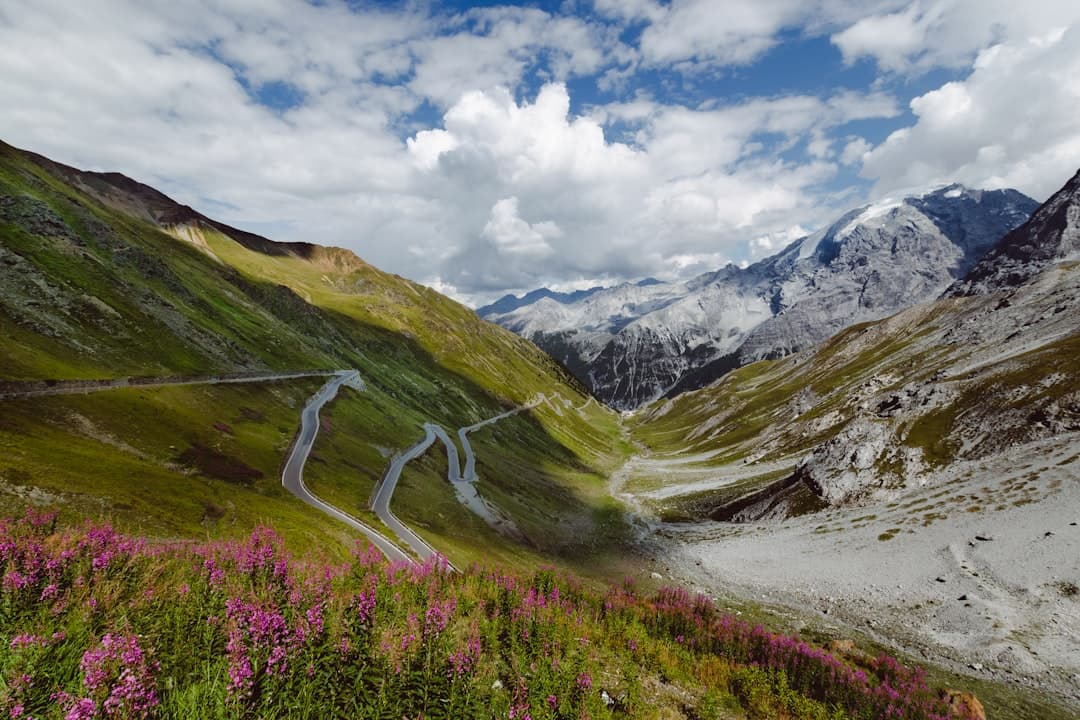
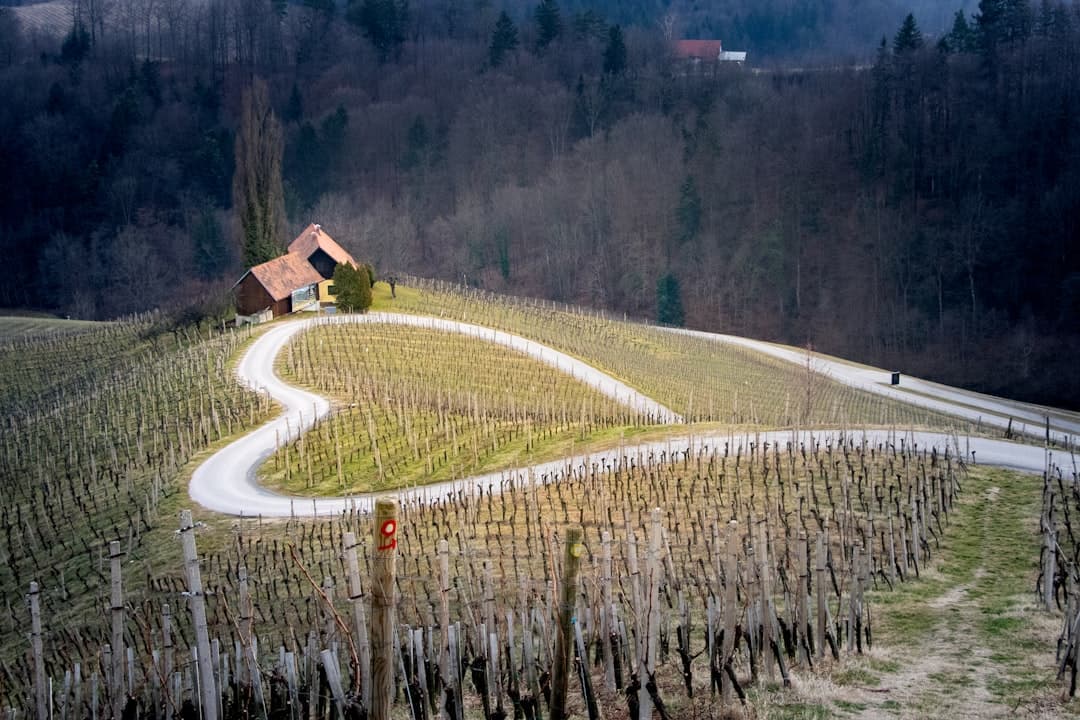
Nestled between the Alps, the Adriatic coast, and the Pannonian Plain, Slovenia occupies a geographically diverse position that gives its cuisine an unusually broad agricultural base. Chefs across the country draw from this variety, sourcing ingredients from alpine meadows, river valleys, and coastal salt pans within relatively short distances of their kitchens.
A Culture of Regional Sourcing
Slovenian cuisine has long been shaped by its distinct regional zones — Primorska, Dolenjska, Štajerska, and Prekmurje among them — each contributing characteristic ingredients and preparation methods. Dishes vary considerably from one area to the next, reflecting local livestock, crops, and foraging traditions rather than a single national template.
The country's restaurant sector has built on these regional foundations. Establishments ranging from rural gostilne, the traditional Slovenian inn, to urban fine dining venues emphasize provenance on their menus. Suppliers and restaurateurs frequently maintain direct working relationships, reducing the distance between field and plate.
Recognition on the European Stage
Slovenia's approach to food has attracted broader attention within European culinary circles. The capital, Ljubljana, and the Karst region have both drawn recognition from international food guides and tourism bodies in recent years. The Karst plateau, known for its cured meats and Teran wine, represents one of the country's most geographically protected food traditions.
Slovenian beekeeping holds a particularly prominent place in the national food identity. The country is home to the indigenous Carniolan honey bee, and beekeeping practices there have been recognized by UNESCO as an element of intangible cultural heritage.
Sustainability as Standard Practice
The farm-to-table model in Slovenia is less a marketing trend than a structural characteristic of the food supply chain. The country's relatively small scale, combined with a dispersed network of small farms, makes local sourcing a practical default for many businesses. Organic certification and regional designation labels have expanded across Slovenian food products in recent years, reflecting both producer interest and consumer demand.
Open Questions
Whether Slovenia's food scene can scale its visibility to attract broader international culinary tourism without diluting its regional character remains an ongoing consideration for the sector.
Sources: UNESCO Intangible Cultural Heritage Lists, Slovenian Tourist Board (www.slovenia.info), European Commission geographical indications registry, Michelin Guide Slovenia listings.
This article is based on a verified primary source. The text was editorially reviewed and fact-checked prior to publication.