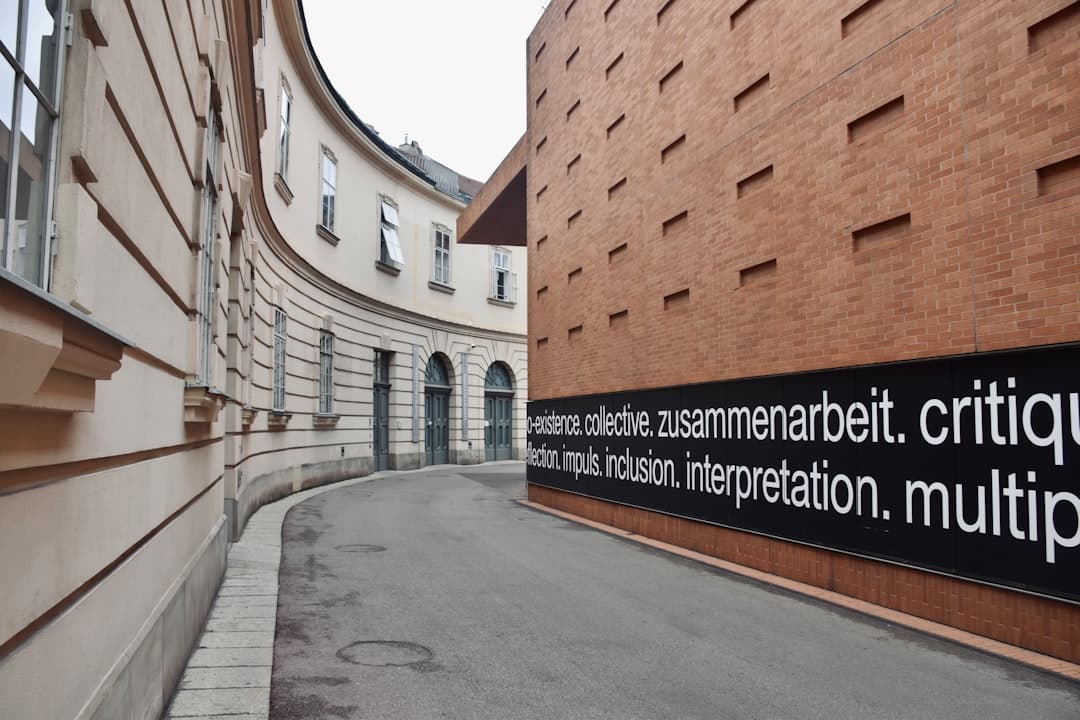
From the manuscript vaults of the Vatican Library to the archaeological registries of Athens, European cultural institutions are undertaking large-scale efforts to digitize collections that span thousands of years of human civilization. The movement, decades in the making, has gained considerable momentum as preservation technology matures and public access increasingly migrates online.
A Continent-Wide Effort
The European Union has positioned digital heritage preservation as a strategic priority. Europeana, the EU-backed digital platform, serves as one of the most visible expressions of this ambition, aggregating millions of items — photographs, paintings, manuscripts, maps, and audiovisual recordings — drawn from cultural institutions across member states. Libraries, museums, and national archives contribute to the platform, which functions as a centralized access point for collections that were previously available only to researchers with physical proximity to the originals.
Individual countries have pursued parallel national programs. The Bibliothèque nationale de France has operated its Gallica digital library for several decades, while Germany's Deutsche Digitale Bibliothek connects federal and state institutions under a unified interface. In Scandinavia, national library systems have made digitized newspaper archives and historical records accessible without charge to the public.
Technology Driving New Possibilities
The tools available to conservators and archivists have expanded substantially. High-resolution scanning, multispectral imaging, and three-dimensional modeling now allow institutions to capture details invisible to the naked eye. Fragile manuscripts that cannot withstand repeated handling can be examined digitally, reducing physical wear while broadening scholarly access.
Three-dimensional scanning has proven particularly relevant for archaeological heritage. Sites and objects threatened by conflict, climate change, or urban development have been documented in digital form as a precautionary measure. Several organizations have used this technology to reconstruct virtual records of structures damaged or destroyed in conflict zones across the broader European neighborhood.
Access and the Public Dimension
One consequence of digitization has been a measurable democratization of access. School students in rural areas, independent researchers without institutional affiliations, and diaspora communities separated from their cultural origins can now engage with primary historical materials through a browser. Major institutions including the British Museum, the Rijksmuseum in Amsterdam, and the Uffizi Gallery in Florence have released significant portions of their collections under open-access licensing, permitting reproduction and reuse without fees.
The shift has not been without friction. Some institutions have resisted open-access models, citing concerns about revenue generated through image licensing. Debates over whether a digital reproduction of a public-domain artwork constitutes a new copyrightable work remain active in legal and policy circles across the continent.
Persistent Challenges
Despite the progress, the digitization of European cultural heritage remains incomplete and unevenly distributed. Smaller regional museums and municipal archives frequently lack the financial resources and technical expertise to participate in large-scale programs. Prioritization of which materials to digitize first involves complex decisions that can inadvertently favor well-documented dominant cultures over minority or regional traditions.
Long-term digital preservation introduces its own complications. File formats become obsolete, storage infrastructure requires ongoing maintenance, and the question of who bears responsibility for maintaining digital archives across political and generational timescales has no settled answer. Physical originals, where they survive, continue to be regarded by conservators as irreplaceable.
Funding models also vary widely. Some programs rely on EU structural funds, others on national budgets, philanthropic partnerships, or commercial collaborations with technology companies — each arrangement carrying different implications for public access and institutional independence.
Open Questions
How will smaller institutions without dedicated digitization budgets avoid being left behind? Who holds long-term legal and financial responsibility for maintaining digital heritage archives? And as artificial intelligence tools begin to assist with cataloging and transcription, what standards will govern their use across culturally sensitive collections?
Sources: Europeana Foundation, Bibliothèque nationale de France (Gallica), Deutsche Digitale Bibliothek, British Museum Open Access Policy, Rijksmuseum Open Data, European Commission Digital Cultural Heritage initiatives, UNESCO digital heritage documentation programs.
This article is based on a verified primary source. The text was editorially reviewed and fact-checked prior to publication.