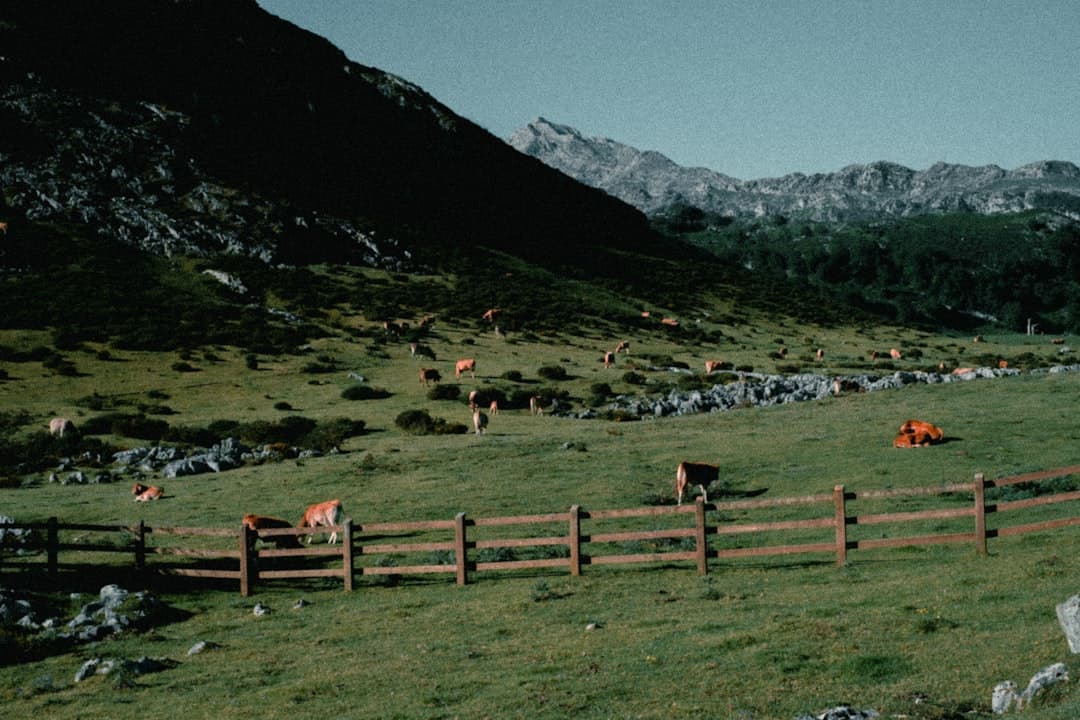
Stretching across much of central and northern Romania, the Carpathian Mountains have long served as more than a geographic backdrop — they form the ecological and cultural foundation of the country's food traditions. The highland terrain has historically supported sheep herding, pig farming, and subsistence agriculture, practices that shaped a cuisine built around preservation, fermentation, and slow cooking.
Pastoral Roots and Dairy Traditions
Sheep farming in the Carpathian region produced a lasting dairy culture. Brânză de burduf, a sharp, aged sheep's cheese traditionally matured inside a sheep's stomach or pine bark, remains one of Romania's most recognized artisan products. Caș and telemea, fresh and brined cheeses respectively, are staples tied directly to mountain shepherding communities whose seasonal migrations — known as transhumanță — were once a defining feature of Carpathian life. Transhumanță was inscribed on the UNESCO Representative List of the Intangible Cultural Heritage of Humanity, reflecting the practice's cultural significance across southeastern Europe.
Smoked, Cured, and Fermented
Preservation techniques developed in mountain villages before refrigeration became widespread remain central to Romanian cooking. Cârnați, a seasoned pork sausage, and various forms of smoked bacon reflect a broader Central European tradition of cold-climate curing. Pickled vegetables — cabbage, cucumbers, and green tomatoes — are prepared seasonally and consumed throughout winter months, a practice common across the Carpathian basin.
Forest Ingredients and Seasonal Foraging
Wild mushrooms, berries, and medicinal herbs gathered from Carpathian forests supplement cultivated ingredients in traditional recipes. Mushroom-based soups and stews appear consistently across regional menus, particularly in Transylvania and Bucovina, where foraging culture has persisted across generations.
Recognition Beyond Borders
Romanian cuisine has attracted growing attention within European food movements focused on heritage agriculture and geographical indications. Several Romanian products hold or are pursuing Protected Designation of Origin status under European Union frameworks, a process that formally links food products to their geographic and cultural origins.
Open Questions
As rural depopulation accelerates in mountain communities, the transmission of traditional food knowledge to younger generations remains an unresolved challenge. Whether commercial food producers can replicate artisan methods at scale without diminishing cultural authenticity is a question facing Romanian food policy and producers alike.
Sources: UNESCO Intangible Cultural Heritage Lists; European Commission Geographical Indications Register; Romanian Ministry of Agriculture public documentation; academic literature on Carpathian pastoral traditions.
This article is based on a verified primary source. The text was editorially reviewed and fact-checked prior to publication.


