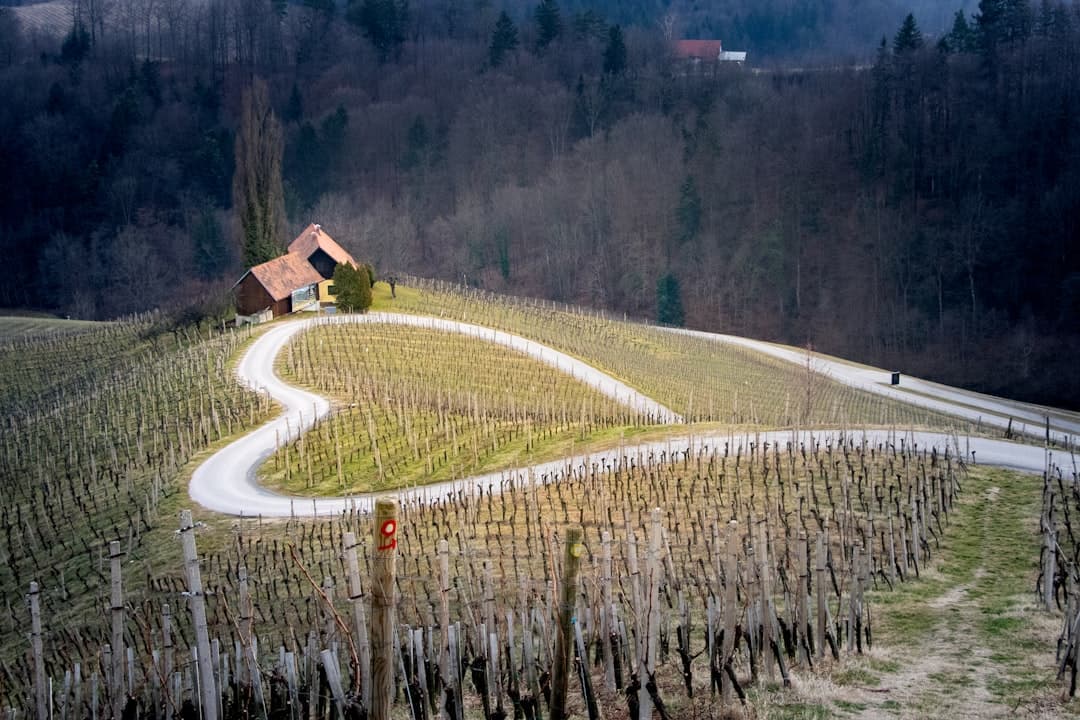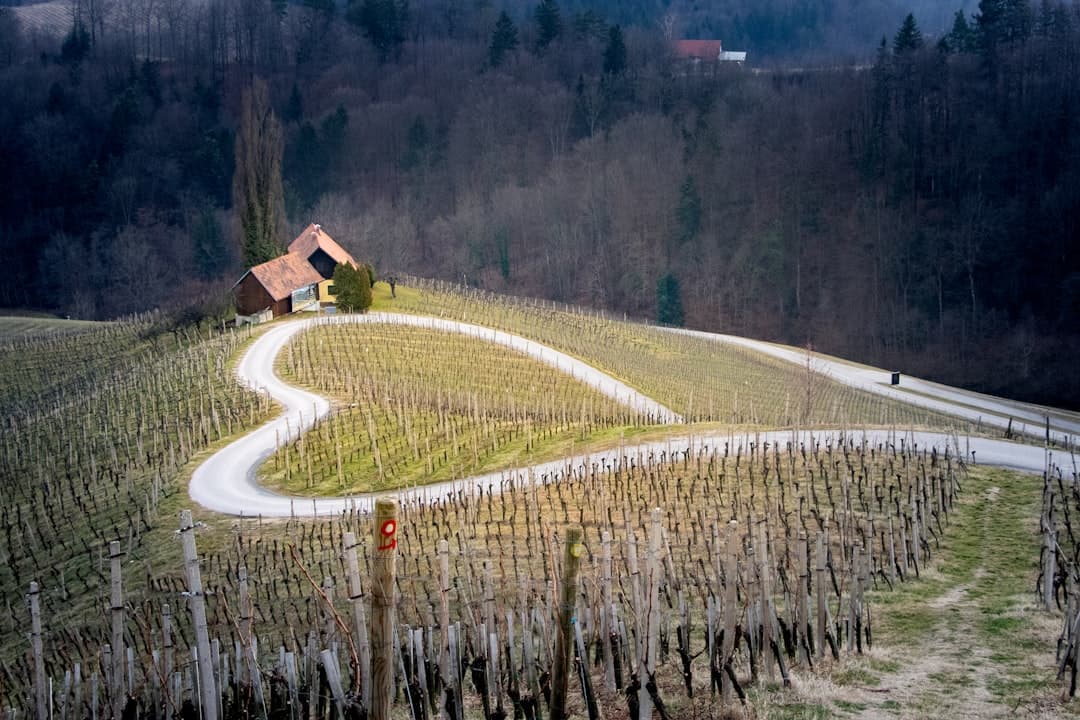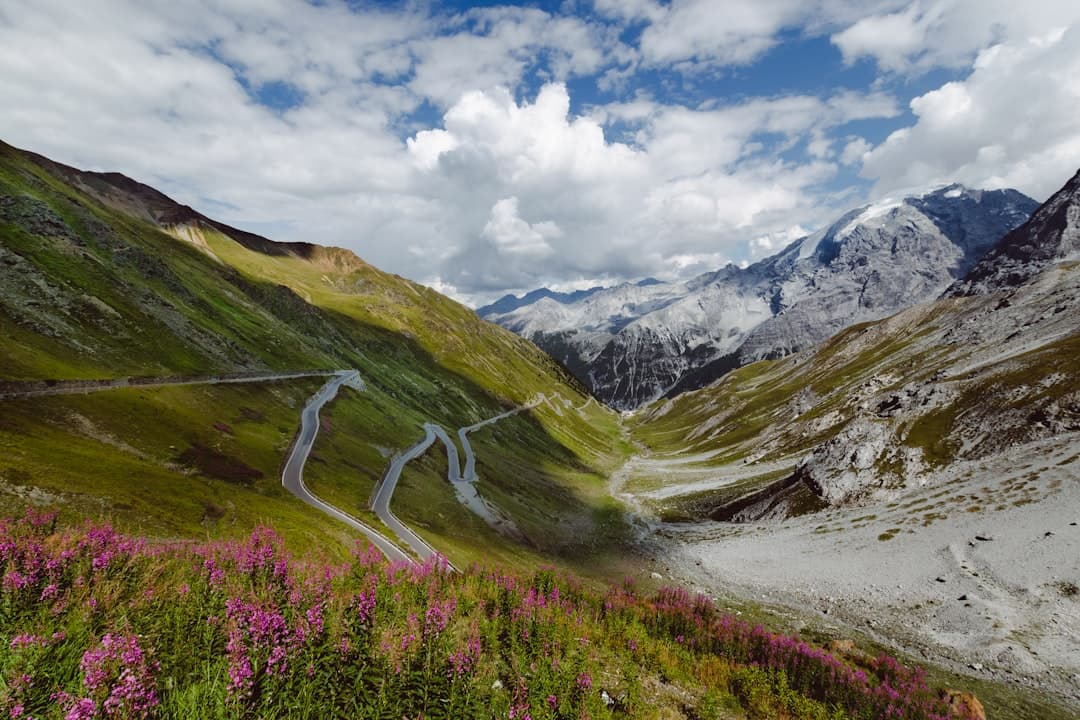
Nestled between the Alps, the Mediterranean coast, and the Pannonian Plain, Slovenia occupies a geographic crossroads that has shaped its food culture in measurable ways. The Alpine region in particular — covering much of the country's northwest, including the Triglav National Park area and the Soča Valley — has long supplied the ingredients and preservation methods that define Slovenian cooking.
Dairy, Cured Meats, and Fermented Staples
High-altitude farming has historically supported robust dairy production in Slovenia. Cheeses such as Tolminc, produced in the Tolmin region, and Bohinj cheese carry protected designation of origin status under European Union regulations, reflecting their geographic and cultural specificity. Alongside dairy, cured pork products — including kraški pršut, a dry-cured ham from the Karst plateau — represent a preserved-meat tradition common across Alpine and sub-Alpine communities in Central Europe.
Fermented and slow-preserved foods appear throughout the traditional diet. Sauerkraut, dried beans, and pickled turnips have historically served as winter staples, a direct response to the region's cold mountain winters and limited growing seasons.
Grain Traditions and Forest Foraging
Buckwheat holds a prominent place in Slovenian culinary history, particularly in the form of žganci, a porridge-like dish consumed across rural communities for generations. The grain thrives in cooler climates and poor soils, making it well-suited to Alpine conditions. Wild mushrooms, chestnuts, and foraged herbs also feature in regional cooking, reflecting a longstanding relationship between local populations and forested mountain terrain.
Recognition and Culinary Tourism
Slovenia has received growing international attention for its food culture in recent years. The capital, Ljubljana, has been recognized by various culinary organizations for sustainable gastronomy practices, and several Slovenian restaurants have received recognition in European fine dining guides. The government and tourism authorities have actively promoted traditional regional dishes as part of broader cultural heritage initiatives.
These efforts have contributed to renewed domestic interest in historical recipes and locally sourced ingredients, reinforcing the Alpine foundations of the national food identity.
Open Questions
How will climate shifts affecting Alpine agriculture influence the availability of traditional ingredients in coming decades? Can protected designation status alone preserve culinary heritage as younger generations migrate to urban areas?
Sources: European Commission Protected Designations of Origin registry; Slovenian Tourist Board official publications; UNESCO Creative Cities of Gastronomy documentation; Slow Food Foundation for Biodiversity.
This article is based on a verified primary source. The text was editorially reviewed and fact-checked prior to publication.