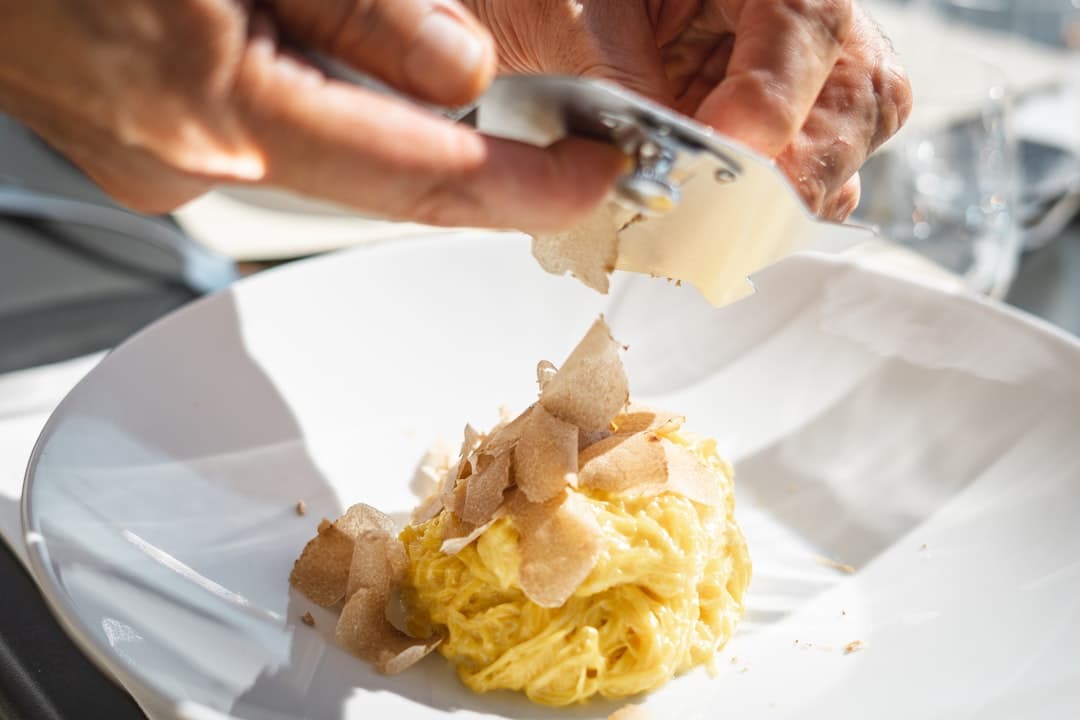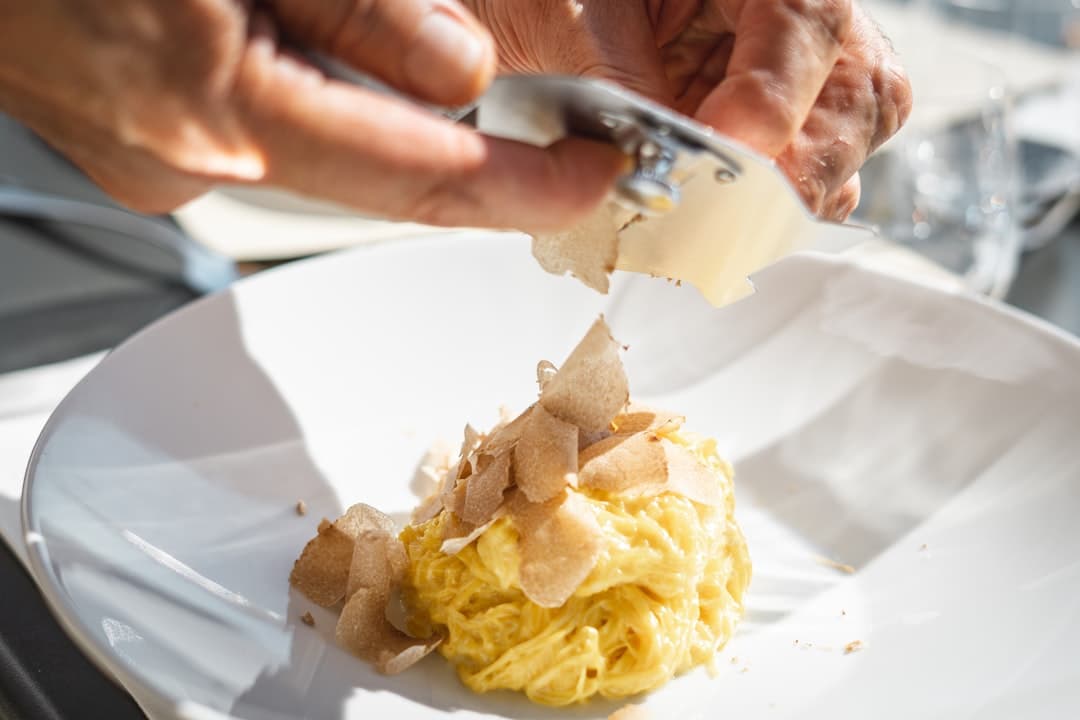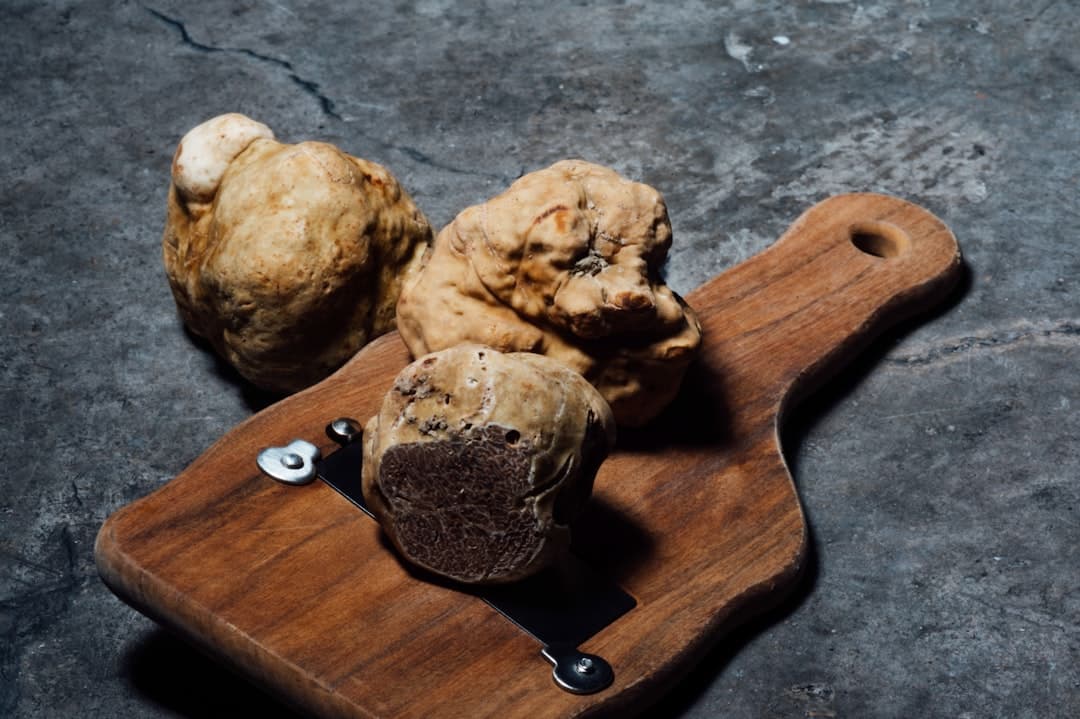
Each autumn, the woodlands of northern and central Italy yield one of the culinary world's most prized ingredients: the truffle. The white truffle of Alba, harvested in the Piedmont region from October through December, and the black Norcia truffle of Umbria have long commanded premium prices on international markets. Their seasonal availability now draws a growing wave of gourmet travelers seeking direct access to the source.
Festivals and Rural Tourism
The Fiera del Tartufo Bianco d'Alba, held annually in the town of Alba, is among Europe's most established food festivals dedicated to a single ingredient. The event draws visitors from across Italy, France, Germany, and increasingly from North America and Asia. Local truffle markets, tasting events, and auctions form the backbone of a broader regional tourism economy that extends well beyond the festival calendar.
Agriturismo operators and boutique hotels in Piedmont and Umbria have responded to rising demand by offering multi-day packages that combine truffle hunting with local winemakers, olive oil producers, and artisan cheesemakers. These immersive itineraries have become a recognizable segment of the luxury travel market.
Economic Impact on Rural Communities
Truffle-related tourism channels revenue into rural municipalities that might otherwise see limited visitor traffic outside summer months. Restaurants in Alba, Asti, and the hill towns surrounding Norcia report significantly higher bookings during harvest season, and local accommodation providers have expanded capacity in response to sustained demand.
The truffle economy also supports a network of certified trifolau — truffle hunters — whose traditional knowledge of forested terrain is regulated under Italian regional law. Their role has become part of the cultural narrative marketed to travelers.
Broader European Context
Italy's truffle season sits within a wider trend of ingredient-led travel across Europe, where regions in France, Spain, and Croatia have developed comparable models around locally harvested or produced foods. The model demonstrates how a geographically specific and seasonal product can anchor a year-round tourism identity when paired with the appropriate infrastructure.
Open Questions
Whether climate change and shifting precipitation patterns will affect truffle yields in coming decades remains an area of active concern among producers and regional authorities. The long-term sustainability of truffle-driven tourism may depend in part on ecological factors that are not yet fully understood.
Sources: Ente Turismo Langhe Monferrato Roero, Fiera Internazionale del Tartufo Bianco d'Alba official records, Italian Ministry of Agricultural, Food and Forestry Policies, European Travel Commission regional tourism data.
This article is based on a verified primary source. The text was editorially reviewed and fact-checked prior to publication.