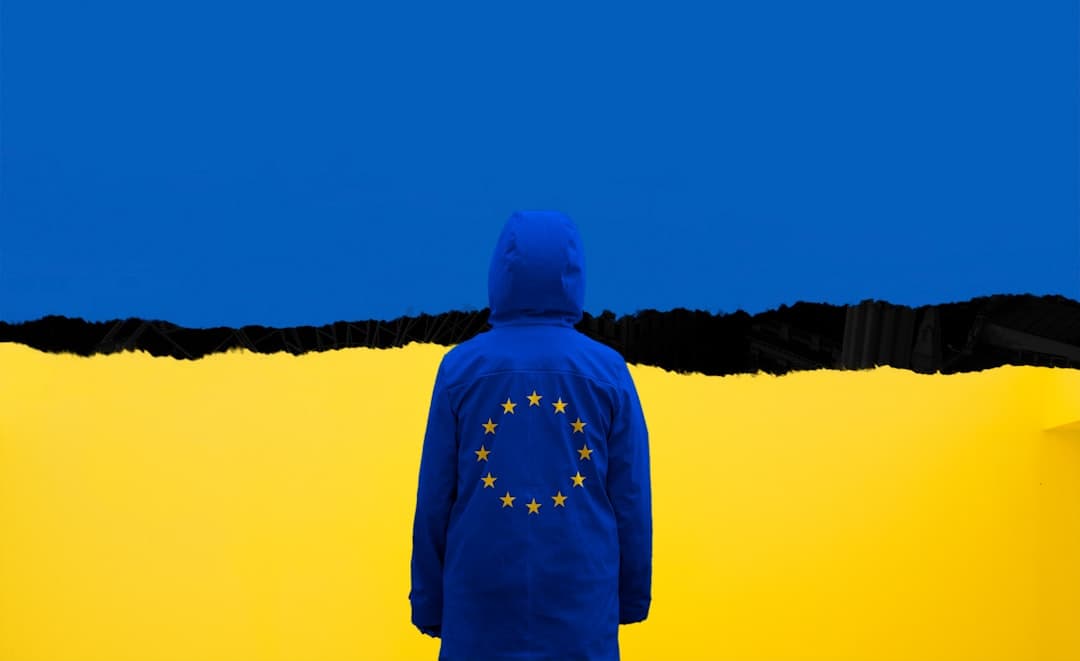
From Lisbon to Warsaw, a generation of Europeans born roughly between the late 1990s and early 2010s is navigating cultural identity in ways that differ markedly from those of their parents and grandparents. Shaped by open borders, digital connectivity, and the legacy of European integration, Generation Z has developed a relationship with culture that is simultaneously local, continental, and global.
Digital Platforms as Cultural Commons
Social media platforms and streaming services have functioned as shared cultural spaces for young Europeans in ways that traditional broadcast media never achieved. Music genres, fashion aesthetics, slang terms, and political memes spread rapidly across national borders, creating reference points that are recognizable to a young person in Stockholm as much as in Naples. Platforms such as TikTok, Instagram, and Spotify have accelerated this cross-pollination, allowing cultural trends to bypass the gatekeeping roles once held by national broadcasters and publishers.
This has given rise to hybrid cultural expressions — music that fuses Spanish reggaeton influences with French rap, fashion subcultures that mix Eastern European folk motifs with streetwear, and online communities organized around shared interests rather than shared geography.
European Identity Alongside National Identity
Survey data from institutions including the European Commission's Eurobarometer program has consistently shown that younger Europeans are more likely than older cohorts to identify with Europe as a whole, in addition to — rather than instead of — their national identity. This dual sense of belonging appears to be more pronounced among those who have participated in exchange programs such as Erasmus, which has facilitated cross-border educational and social experiences for decades.
Multilingualism plays a role here as well. Gen Z Europeans report higher rates of proficiency in multiple languages compared to previous generations, partly due to earlier and broader exposure to English through digital media, and partly due to expanded language education across EU member states.
Tensions With Heritage and Tradition
The shift is not without friction. Cultural institutions, heritage organizations, and some political movements across Europe have raised concerns about the erosion of distinct national and regional traditions. In countries with strong linguistic minorities — Catalonia in Spain, Brittany in France, or South Tyrol in Italy — younger generations face competing pressures to preserve local cultural heritage while participating in broader European and global cultural flows.
Religious and ethnic minority communities within European nations add further complexity. Many young Europeans from immigrant backgrounds navigate layered identities that incorporate ancestral cultural traditions, the culture of the country where they were born or raised, and the transnational youth culture accessible through digital platforms.
Cultural Production and Creative Industries
The influence of Gen Z is also visible in creative industries. European film, music, fashion, and design sectors have seen a generational shift in both producers and consumers. Young creators are increasingly self-distributing work through digital channels, reducing reliance on traditional national industry structures. European film festivals and cultural funding bodies have responded by adjusting criteria and categories to reflect work that does not fit neatly into national or linguistic classifications.
Urban centers with large young populations — Berlin, Amsterdam, Barcelona, and Budapest among them — have become laboratories for these hybrid cultural forms, attracting both European and international young people drawn by relatively open social environments and established creative ecosystems.
Institutional Responses
European cultural institutions, including the European Capital of Culture program and Creative Europe, have begun to reflect this generational shift in their programming and grant priorities. There is growing institutional recognition that cultural identity in Europe is increasingly processual — something negotiated and renegotiated — rather than fixed by birth or national affiliation.
This article is based on a verified primary source. The text was editorially reviewed and fact-checked prior to publication.