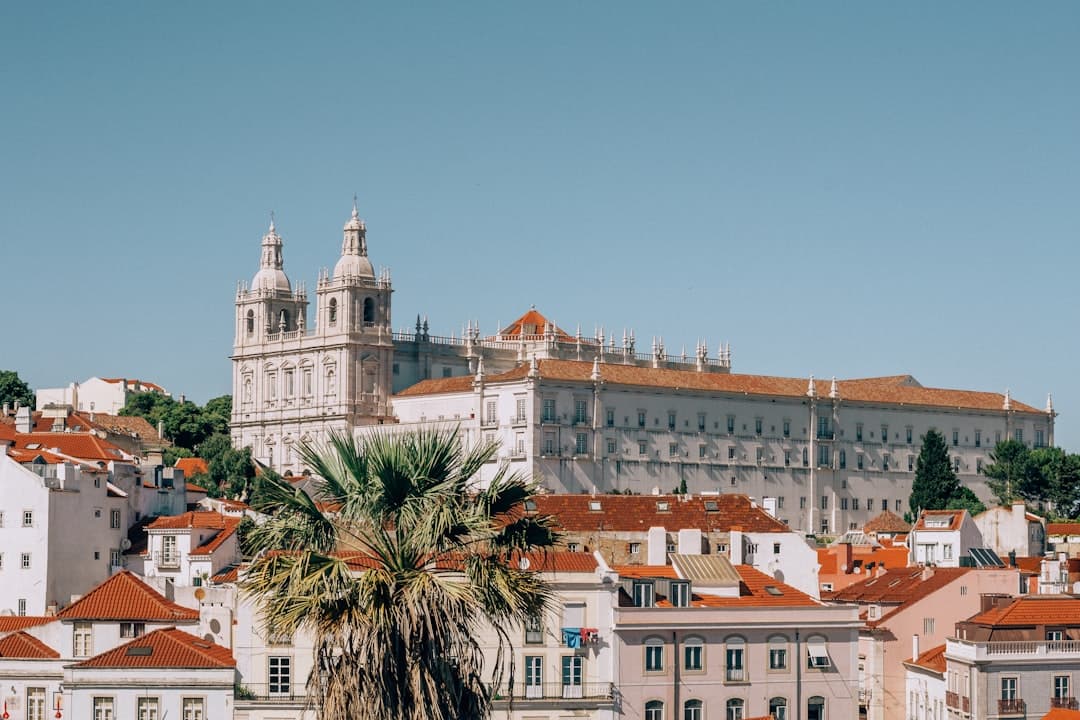
Fado, the soulful musical tradition born in the narrow streets of Lisbon's Alfama and Mouraria districts, remains one of Portugal's most enduring cultural exports. Characterized by its mournful melodies, Portuguese guitar, and a concept known as saudade — a longing or melancholic yearning — fado has persisted through centuries of social and political change.
UNESCO Recognition and Cultural Preservation
In 2011, UNESCO inscribed fado on its Representative List of Intangible Cultural Heritage of Humanity. The designation formalized what Portuguese society had long acknowledged: fado occupies a central and irreplaceable role in the country's cultural fabric. Museums dedicated to the genre, including the Museu do Fado in Lisbon, actively document its history and support ongoing education efforts.
Urban Roots and Modern Adaptations
The genre traces its documented history to the early nineteenth century, when it emerged among working-class communities in Lisbon. Over generations, fado split into distinct regional styles, with Lisbon and Coimbra developing notably different performance traditions. Coimbra fado, historically associated with the city's university culture, is performed exclusively by men and carries its own set of ceremonial customs.
Contemporary artists have broadened the genre's reach without abandoning its structural foundations. New generations of performers blend traditional fado structures with influences from jazz, classical music, and global folk traditions, extending the audience well beyond Portugal's borders.
Economic and Tourism Dimensions
Fado venues, known as casas de fado, operate throughout Lisbon and Porto, functioning as both cultural institutions and economic drivers for local tourism. The genre draws visitors from across Europe and beyond, contributing to Portugal's broader cultural tourism sector, which has grown significantly in recent decades.
Live performance remains central to fado's identity. Unlike many traditional music forms that have migrated primarily to recording formats, fado retains a strong emphasis on communal, in-person experience — a characteristic that continues to define its transmission from one generation to the next.
Open Questions
Whether fado's commercialization through tourism will affect its authenticity and grassroots transmission remains a subject of ongoing cultural debate in Portugal. Scholars and practitioners continue to examine how the genre can balance accessibility with preservation of its traditional forms.
Sources: UNESCO Intangible Cultural Heritage Register; Museu do Fado, Lisbon; Encyclopedia Britannica — Fado entry; Portuguese Institute for Museums and Conservation
This article is based on a verified primary source. The text was editorially reviewed and fact-checked prior to publication.