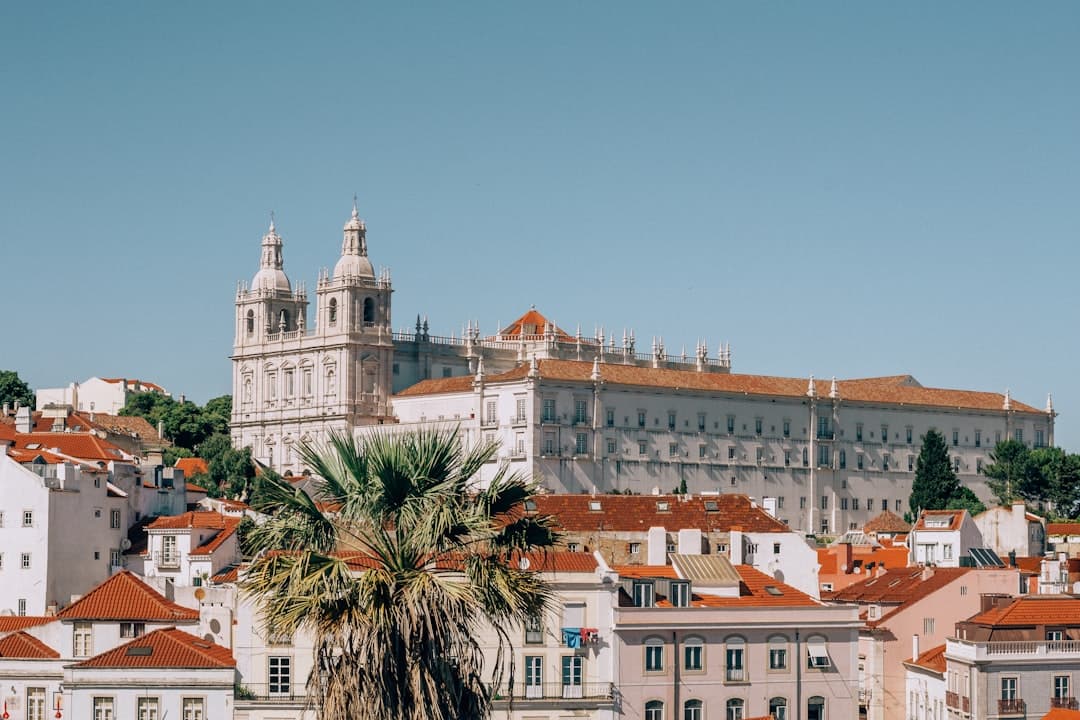
Across Portugal's cities, railway stations, churches, and private homes, hand-painted ceramic tiles known as azulejos form one of the most recognizable visual languages in European decorative art. The tradition, which traces its roots to Moorish influence in the Iberian Peninsula and was later refined through Dutch and Italian craft techniques, has remained a continuous presence in Portuguese life for more than five centuries.
A Tradition Embedded in Architecture
Azulejos serve both decorative and functional purposes. The dense ceramic surface insulates walls against heat and moisture — a practical consideration in Portugal's Atlantic and Mediterranean climate — while simultaneously carrying narrative, religious, and ornamental content. Large-scale tile panels depicting historical events, biblical scenes, and pastoral landscapes can be found covering entire interior and exterior walls of public buildings throughout Lisbon, Porto, and beyond.
The National Tile Museum in Lisbon, housed in a former convent, maintains an extensive collection tracing the evolution of the medium from the 15th century to the present. The museum documents shifts in production technique, artistic style, and cultural influence, providing a structured record of the craft's development over time.
Contemporary Relevance and Preservation Efforts
In recent decades, demand for skilled tile painters has risen alongside growing interest in architectural conservation. Restoration projects on historic buildings frequently require artisans trained in traditional methods, including hand-painting with metal oxide pigments and kiln-firing processes that predate industrial manufacturing.
Portuguese municipalities and cultural institutions have established programs to document endangered tile facades, particularly in urban neighborhoods where older buildings face development pressure. UNESCO has received proposals related to azulejo heritage recognition, reflecting broader international acknowledgment of the tradition's significance.
Contemporary Portuguese artists also continue to work within and against the azulejo format, using the tile as a medium for modern and abstract expression while remaining in dialogue with its historical context.
Open Questions
Whether formal UNESCO intangible heritage designation will be secured, how urbanization will affect the preservation of tile facades on privately owned buildings, and to what extent demand for trained artisans can be met through existing educational programs remain subjects of ongoing discussion among heritage professionals.
Sources: National Tile Museum (Museu Nacional do Azulejo), Lisbon; UNESCO intangible cultural heritage documentation; Portuguese Directorate-General of Cultural Heritage (DGPC)
This article is based on a verified primary source. The text was editorially reviewed and fact-checked prior to publication.