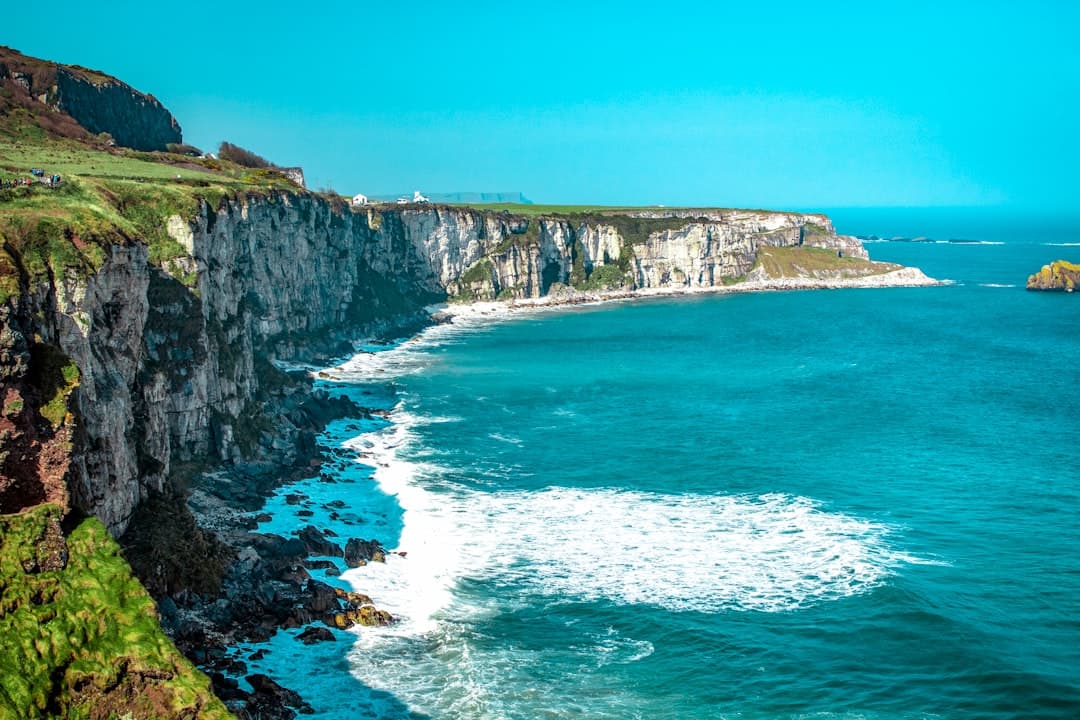
Ireland's western and southern coastlines, stretching from Donegal in the north to Cork in the south, have long supplied some of Europe's most prized seafood harvests. In recent years, that fishing heritage has translated into a distinct dining culture, with coastal restaurants positioning locally caught fish, shellfish, and seaweed as the foundations of their menus.
A Geography Built for Seafood
Ireland's position on the eastern edge of the North Atlantic gives its coastal waters access to cold, nutrient-rich currents. Species such as Atlantic salmon, brown crab, Dublin Bay prawns, and native oysters are harvested from these waters and form the backbone of menus in towns including Dingle, Killybegs, Baltimore, and Westport. The proximity between catch and kitchen — in many cases a matter of hours — has become a distinguishing feature that restaurants actively communicate to diners.
Oyster Culture and Regional Identity
Oyster farming holds a particularly prominent place in Irish coastal food culture. Regions such as Connemara, Galway Bay, and Clarinbridge have cultivated oyster production for generations, and annual festivals tied to the harvest have grown into internationally recognised events. The Galway International Oyster and Seafood Festival, held each autumn, attracts visitors from across Europe and beyond, functioning as both a cultural celebration and a platform for the broader Irish seafood industry.
Seaweed as an Emerging Ingredient
Beyond conventional catches, Irish chefs have increasingly incorporated foraged seaweed into their menus. Species such as dulse, carrageen, and sea spaghetti, harvested from rocky Atlantic shores, appear in broths, breads, and cured preparations. This practice draws on centuries-old Irish coastal traditions while aligning with contemporary European interest in sustainable, locally gathered ingredients.
Infrastructure and Tourism Connections
Investment in coastal tourism routes, including the Wild Atlantic Way — a designated driving route along Ireland's western seaboard — has increased visitor traffic to communities where seafood restaurants operate. The route connects dozens of small harbour towns, making food a central part of the travel experience rather than an incidental one.
Open Questions
How sustainable are current shellfish farming practices in the face of rising Atlantic water temperatures? Can smaller coastal restaurants maintain supply chain independence as demand from urban centres and export markets grows?
Sources: Bord Bia (Irish Food Board), Fáilte Ireland, Galway International Oyster and Seafood Festival official records, Wild Atlantic Way tourism documentation.
This article is based on a verified primary source. The text was editorially reviewed and fact-checked prior to publication.


