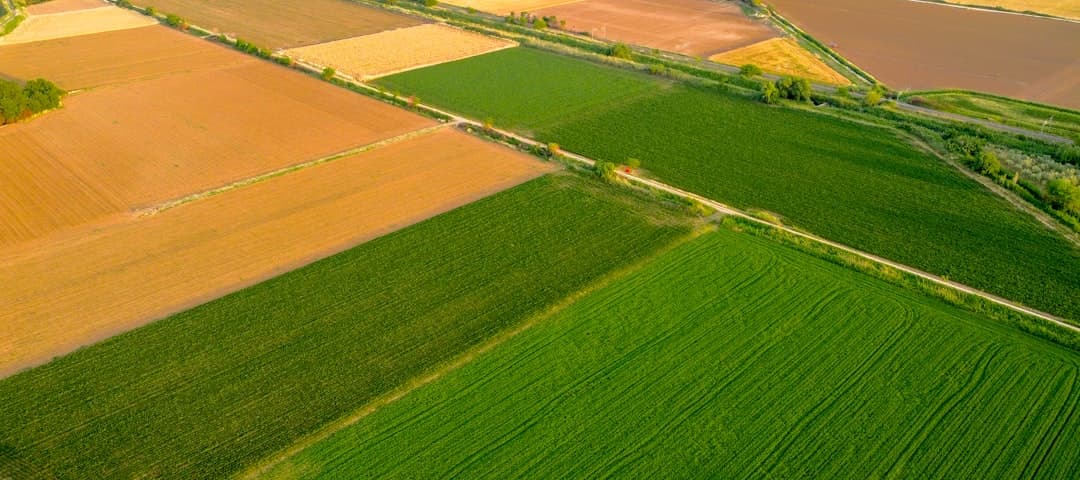
Lake Balaton, stretching across western Hungary for roughly 77 kilometers, has historically attracted tourists seeking summer recreation on its shallow, warm waters. In recent years, the region surrounding the lake has undergone a broader transformation, with gastronomy and wine production becoming increasingly central to its identity and tourism appeal.
Wine Regions With Deep Roots
The Balaton wine country encompasses several official Hungarian wine districts, including Badacsony, Balatonfüred-Csopak, and Balatonboglár, each with distinct soil profiles and microclimates shaped by the lake's moderating influence. Badacsony, situated on volcanic basalt hills along the northern shore, has long been associated with aromatic white varieties such as Olaszrizling and Kéknyelű. These wines have gained recognition at international competitions and in export markets across Europe.
Local Cuisine Anchored in Freshwater Traditions
The culinary identity of the Balaton area is closely tied to the lake itself. Fogash — the Hungarian name for pike-perch — remains the defining regional dish, prepared in styles ranging from simple pan-frying to more elaborate contemporary presentations. A growing number of restaurants along both the northern and southern shores have adopted farm-to-table sourcing practices, working with local producers of vegetables, dairy, and cured meats.
Infrastructure and Recognition
Investment in hospitality infrastructure around the lake has expanded significantly in recent decades, with boutique hotels, wine estates offering accommodation, and culinary festivals contributing to a more year-round visitor economy. The Balaton region has received coverage in major European food and travel publications, raising its profile among international travelers who may previously have overlooked Hungary's interior beyond Budapest.
The region's development reflects a broader trend across Central and Eastern Europe, where rural areas with strong agricultural traditions are being repositioned as destinations in their own right rather than secondary attractions to capital cities.
Open Questions
Whether the region can sustain quality standards as visitor numbers grow, how climate change may affect lake-adjacent viticulture over coming decades, and to what extent rural communities benefit economically from rising tourism investment remain subjects of ongoing observation.
Sources: Hungarian Tourism Agency (visithungary.com), Wines of Hungary (winesofhungary.hu), Hungarian Central Statistical Office (ksh.hu), European Commission regional development documentation.
This article is based on a verified primary source. The text was editorially reviewed and fact-checked prior to publication.