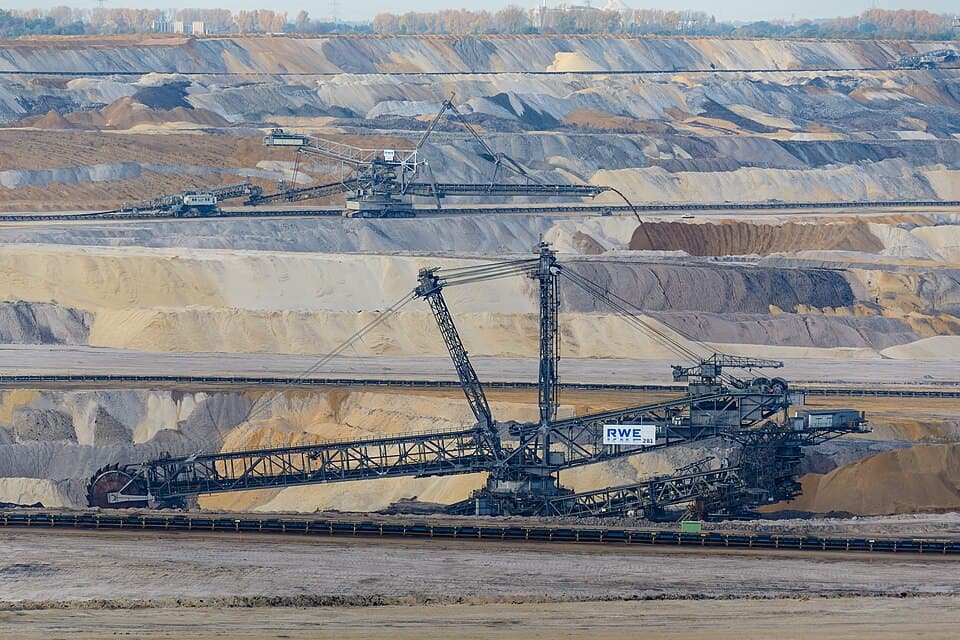
Germany built one of the world's most ambitious energy transition programmes — the Energiewende — on the twin pillars of expanding renewable energy and eliminating fossil fuels from the power grid. Coal, once the backbone of German industry, was slated for a complete phase-out by 2038, later brought forward under political pressure to 2030. That timeline is now under scrutiny.
The Trigger: Gas Supply Disruptions
The Russian invasion of Ukraine in February 2022 sent shockwaves through European energy markets. Germany, which had been heavily dependent on Russian natural gas for heating, industrial production, and electricity generation, found itself exposed to supply constraints it had not fully anticipated. As gas storage levels fell and wholesale energy prices rose sharply, the German government activated emergency measures that included bringing mothballed coal and oil power plants back into operation.
Under legislation passed in 2022, Germany temporarily reversed course on several coal plant closures, allowing operators to restart facilities that had been placed in reserve or decommissioned. The measure was framed as a short-term emergency response rather than a permanent policy shift.
Where the Debate Stands
The question of whether Germany is genuinely reconsidering coal over the longer term is contested. On one side, federal government officials have maintained that the 2030 coal phase-out target remains official policy and that emergency restarts do not represent a strategic change of direction. On the other, regional governments — particularly in the coal-producing states of North Rhine-Westphalia and Saxony — have argued that the phase-out schedule should be reassessed given changed geopolitical circumstances.
The tension is also visible in the energy mix itself. Despite significant growth in wind and solar capacity, Germany has faced periods where renewable output falls short of demand, particularly during winter months with low wind and limited daylight. Coal-fired plants, which can be dispatched on demand, provide a form of reliability that intermittent renewables cannot yet fully replicate without large-scale storage infrastructure.
The European Context
Germany is not alone in revisiting assumptions about coal. Several European countries, including the Netherlands and Austria, also brought coal plants back into service following the 2022 energy crisis. The European Union has maintained its broader climate targets under the European Green Deal, but member states have been granted varying degrees of flexibility in how they manage their national energy mixes during the transition period.
Coal's revival across parts of the continent has drawn criticism from environmental organisations, who argue that any delay to phase-out schedules risks locking in carbon emissions for years to come and undermining the credibility of European climate commitments.
Infrastructure and Investment Signals
One indicator watched by analysts is capital expenditure. Major German utilities have not announced significant new investment in coal generation capacity, which suggests the industry does not anticipate a long-term policy reversal. Liquefied natural gas terminal construction and accelerated renewable deployment have absorbed the bulk of new energy infrastructure spending in Germany since 2022.
The German government has also continued to invest in hydrogen technology as a longer-term replacement for fossil fuels in both power generation and heavy industry — a signal that official strategy remains oriented away from coal even as short-term operational realities complicate the picture.
Open Questions
Whether Germany will formally revise its coal phase-out deadline remains unresolved. The outcome may depend on the pace of renewable expansion, the development of energy storage capacity, and the evolution of European gas markets in the coming years. How the next federal government prioritises energy security relative to climate targets will likely shape the answer.
Sources: German Federal Ministry for Economic Affairs and Climate Action; International Energy Agency (IEA) Germany energy profile; European Commission energy security communications; Reuters energy reporting archive.
This article is based on a verified primary source. The text was editorially reviewed and fact-checked prior to publication.


