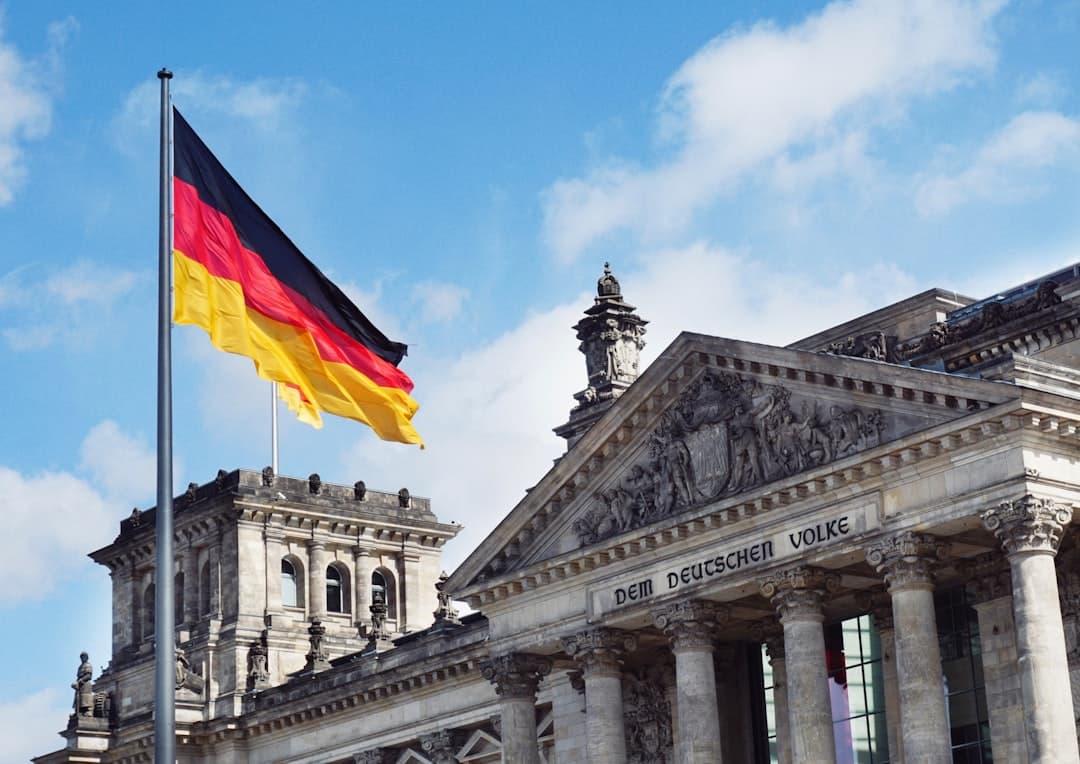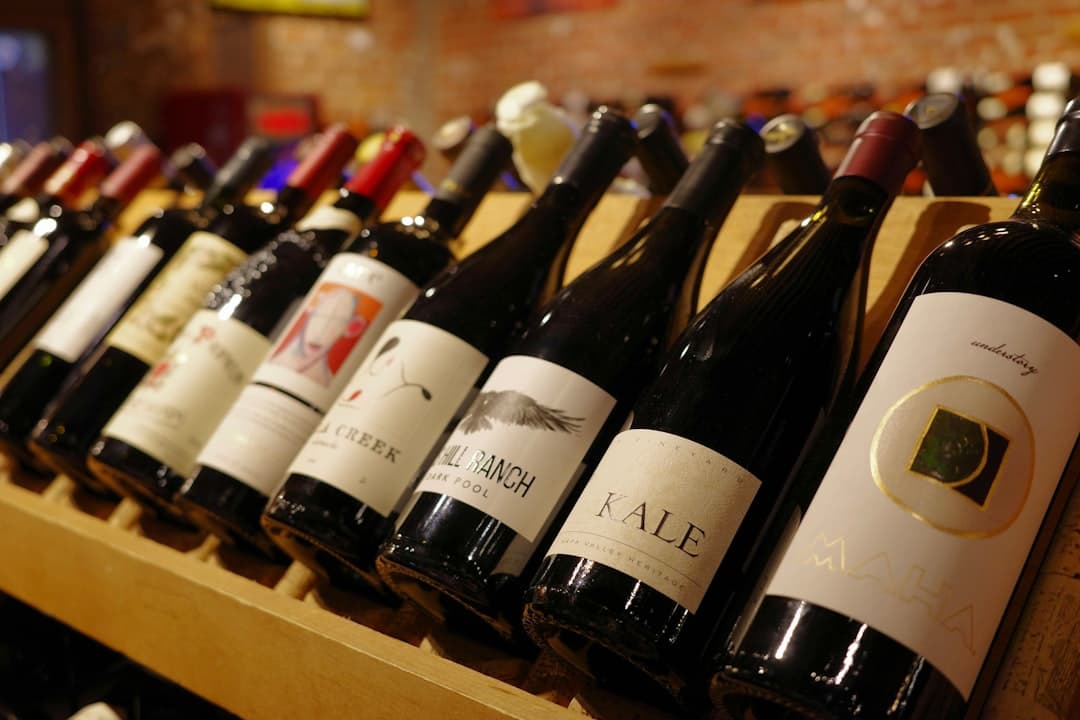
Germany has historically occupied a distinct position in the global wine landscape, with its cool-climate Rieslings regarded among the most age-worthy white wines in the world. In recent years, however, recognition has expanded well beyond that signature variety, as regions across the country demonstrate a widening range of competitive offerings.
Regions Leading the Shift
The Mosel, Rheingau, and Pfalz remain the most internationally recognized of Germany's thirteen official wine-growing regions. The Mosel's steep slate slopes produce Rieslings with pronounced mineral character and high acidity, qualities that have long attracted collectors and sommeliers in export markets. The Pfalz, benefiting from a comparatively warmer microclimate, has gained attention for Pinot Noir — known locally as Spätburgunder — as well as fuller-bodied white wines.
Baden, Germany's southernmost wine region, borders both France's Alsace and Switzerland, and its producers have increasingly aligned their styles with broader Central European preferences, earning placements in international restaurant programs and retail shelves across Europe and North America.
Climate as a Factor
Warmer growing seasons, a trend observed across European wine regions over recent decades, have allowed German producers to achieve higher levels of ripeness in red grape varieties that previously struggled in the country's cooler conditions. This has contributed to a stronger presence of German Pinot Noir and Lemberger in international competitions and trade publications.
Market and Critical Reception
German wines have received consistently strong assessments from major international wine publications and have appeared with greater frequency on the lists of Michelin-starred restaurants across Europe and beyond. Export volumes to key markets, including the United States, the United Kingdom, and Scandinavia, have grown steadily over the past decade according to data from the German Wine Institute.
Trade bodies and regional associations have also invested in promotional efforts abroad, including participation in major wine fairs such as ProWein in Düsseldorf, which serves as a significant platform for connecting German producers with global importers and buyers.
Open Questions
Whether the momentum in red wine production will challenge Germany's primary identity as a white wine nation remains an open question. The long-term effects of climate change on traditional growing conditions in cooler regions such as the Mosel also warrant continued observation.
Sources: German Wine Institute (Deutsches Weininstitut), Wine Enthusiast, Decanter, ProWein official communications, European Commission agricultural data.
This article is based on a verified primary source. The text was editorially reviewed and fact-checked prior to publication.