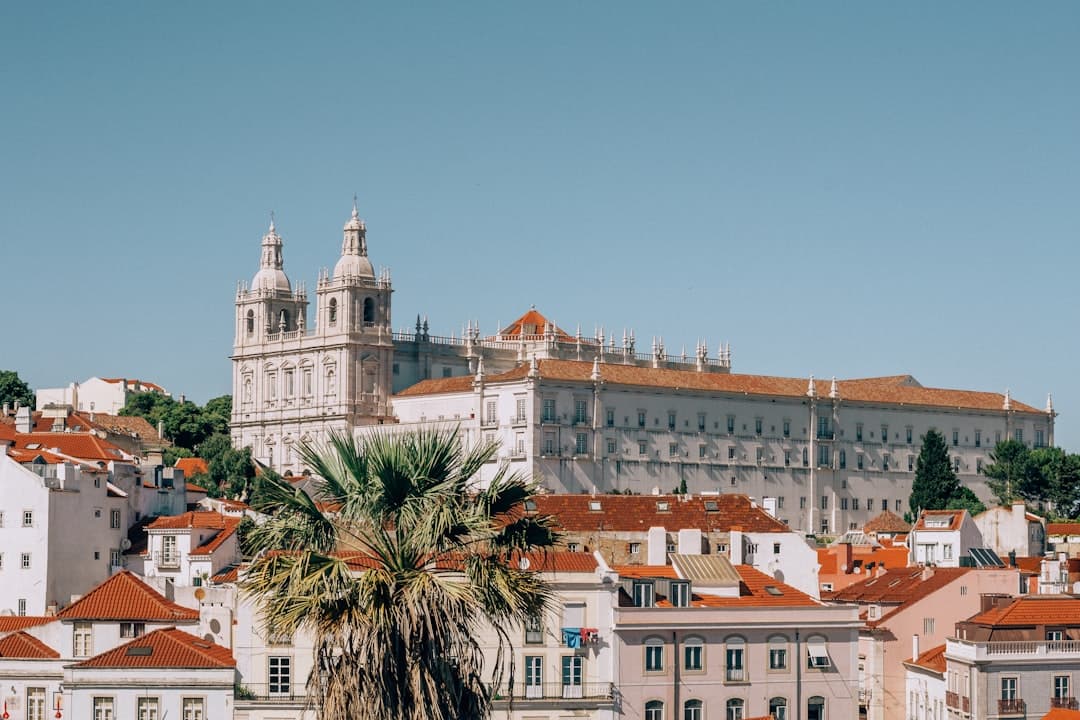
Few nations carry the weight of maritime history as visibly as Portugal. Between the 15th and 17th centuries, Portuguese navigators charted coastlines from West Africa to Brazil and from the Arabian Sea to the South China Sea, establishing one of the most expansive maritime empires of the early modern period. That era of exploration continues to inform how Portugal understands itself and how it engages with the broader world.
A Language Spoken Across Continents
Perhaps the most enduring consequence of Portugal's seafaring expansion is the global spread of the Portuguese language. Portuguese is among the most widely spoken languages in the world, serving as an official language across several nations on multiple continents, including Brazil, Angola, Mozambique, and Cape Verde. This linguistic reach gives Portugal a diplomatic and cultural influence that extends well beyond its modest geographic size on the Iberian Peninsula.
Architecture and the Built Environment
Portuguese cities bear the architectural marks of a nation organized around maritime commerce. Lisbon's Belém district, home to the Jerónimos Monastery and the Tower of Belém, stands as a UNESCO World Heritage Site and a physical monument to the country's navigational ambitions. The Manueline architectural style, developed during the height of Portuguese exploration, incorporates nautical motifs — ropes, coral, and armillary spheres — into stone facades, making the sea a literal feature of the built landscape.
Cultural Memory and Fado
The national music form known as fado carries themes of longing, absence, and the sea — a genre shaped in part by the historical experience of sailors departing for distant voyages and the communities they left behind. Fado was inscribed on UNESCO's Intangible Cultural Heritage list, recognizing its cultural significance both within Portugal and internationally.
Contemporary Relevance
Portugal's maritime heritage also informs its contemporary economic interests. The country holds sovereign rights over one of the largest exclusive economic zones in the European Union, reflecting its geographic position along the Atlantic. Ongoing efforts to map and protect the deep seabed off the Azores and Madeira archipelagos connect present-day policy directly to a centuries-old relationship with the ocean.
Open Questions
How Portugal will balance the commercial development of its Atlantic maritime zone with environmental preservation remains an active debate. The country's role as a bridge between Europe, Africa, and the Americas — a position first established by its explorers — also continues to evolve within the frameworks of the European Union and the Community of Portuguese Language Countries (CPLP).
Sources: UNESCO World Heritage Centre, UNESCO Intangible Cultural Heritage Lists, European Commission (Exclusive Economic Zone data), Community of Portuguese Language Countries (CPLP) official documentation, Biblioteca Nacional de Portugal historical records.
This article is based on a verified primary source. The text was editorially reviewed and fact-checked prior to publication.