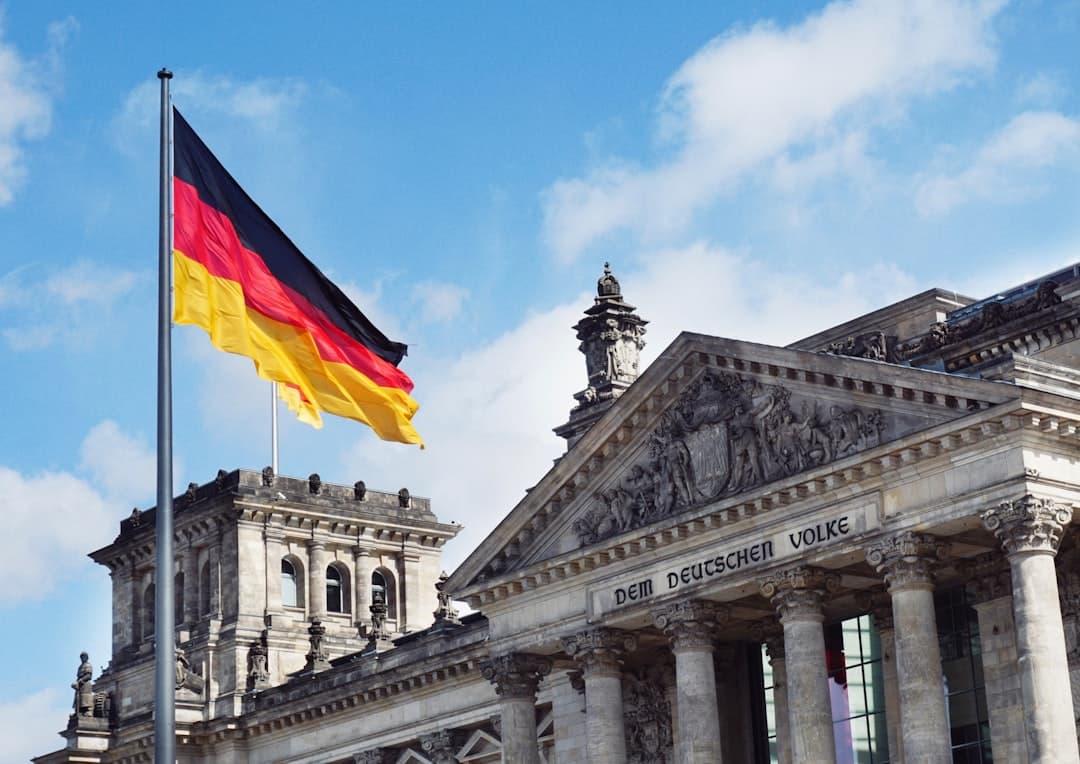
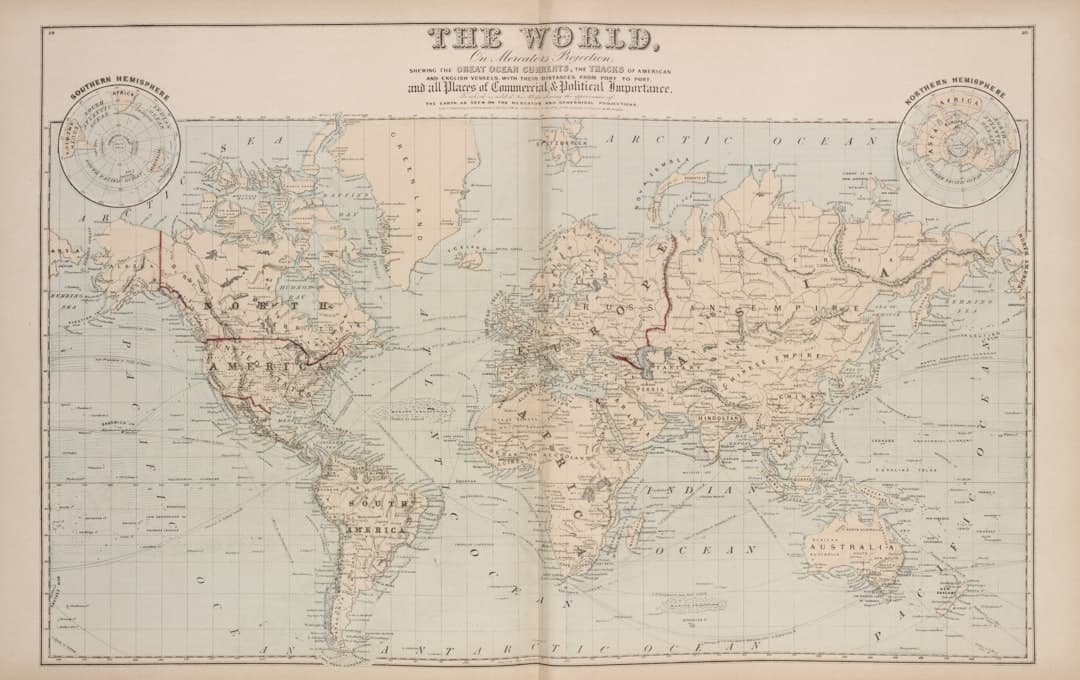
Germany is frequently associated abroad with a narrow set of foods — bratwurst, pretzels, sauerkraut — yet the country's culinary traditions extend well beyond these familiar exports. Across sixteen federal states, distinct regional cuisines have developed over centuries, shaped by local agriculture, trade routes, religious practices, and neighboring cultures.
A Geography of Flavors
In Bavaria, hearty dishes such as Schweinsbraten and Weißwurst reflect an Alpine agricultural heritage, while the coastal states of Schleswig-Holstein and Mecklenburg-Vorpommern have long centered their tables around North Sea and Baltic fish, including smoked herring and eel. The Rhineland and Baden-Württemberg benefit from wine-growing traditions that have influenced local sauces, marinades, and preservation techniques for generations.
Eastern German states, shaped partly by Slavic culinary influences and decades of Soviet-era food culture, offer further distinctions. Thuringia is recognized across Germany for its specific style of bratwurst, subject to a protected geographical indication under European Union regulations. The Swabian region of Baden-Württemberg is known for Maultaschen, a stuffed pasta with documented origins reaching back several centuries.
Recognition and Protection
Several German food products carry protected designation of origin or protected geographical indication status under EU law, including Nuremberg gingerbread, Lübeck marzipan, and Bavarian beer brewed under the Reinheitsgebot purity regulation dating to 1516. These designations confirm that specific production standards and regional identities are legally recognized at the European level.
Despite this, German regional cuisine remains comparatively underrepresented in international food media and culinary tourism when measured against French, Italian, or Spanish counterparts. Academic food historians and culinary geographers have increasingly documented Germany's regional diversity, and a growing number of German chefs have begun reinterpreting traditional dishes within contemporary fine dining frameworks.
Germany's culinary map rewards closer examination, offering a range of ingredients, techniques, and historical narratives that align with broader global interest in regional and heritage food cultures.
Open Questions
Whether increased international culinary tourism will follow growing academic and media attention to German regional food traditions remains to be seen. The role of EU food protection designations in promoting lesser-known regional products abroad also continues to develop.
Sources: European Commission Protected Geographical Indications Register; Bavarian Reinheitsgebot historical records; EU Regulation No. 1151/2012 on quality schemes for agricultural products.
This article is based on a verified primary source. The text was editorially reviewed and fact-checked prior to publication.