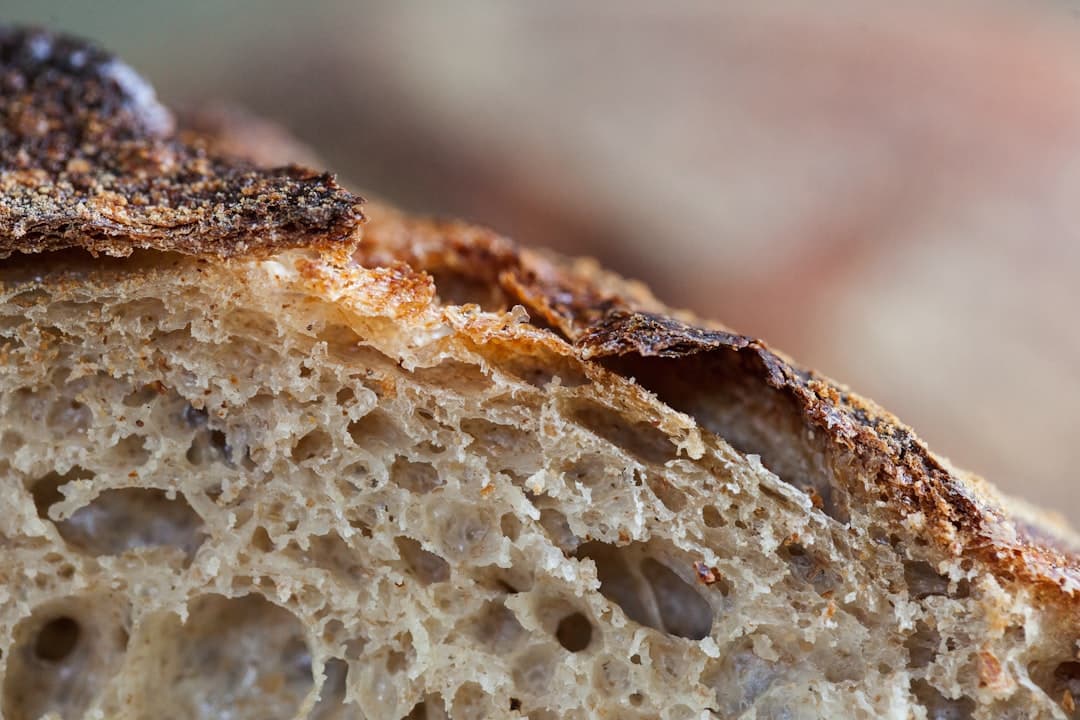
Estonia's food culture has long been defined by practicality — hearty rye bread, smoked fish, blood sausage, and root vegetables shaped by a short growing season and centuries of rural life. In recent years, however, a new generation of chefs and food producers has begun reinterpreting these foundations through a more contemporary lens.
A Return to Native Ingredients
Foraging has gained considerable ground as a culinary practice in Estonia. Wild mushrooms, juniper berries, sea buckthorn, and various herbs found in the country's forests and coastlines have moved from folk tradition into restaurant kitchens across Tallinn and smaller regional towns. This reconnection with the landscape mirrors trends visible across Scandinavia, though Estonia's version draws distinctly on its own ecological and cultural conditions.
Local producers have also expanded offerings in fermented foods, artisan dairy, and small-batch spirits. The craft beverage sector, including gin distilleries making use of botanicals native to the region, has grown meaningfully over the past decade.
Tallinn as a Culinary Reference Point
The capital has emerged as the primary stage for this evolution. The Old Town, historically dependent on tourism-driven menus, has seen new establishments open in surrounding neighbourhoods that prioritise seasonal sourcing and locally cultivated produce. Several restaurants have built direct relationships with Estonian farms, shortening supply chains and reflecting a preference for traceable ingredients.
Rural and Coastal Traditions
Outside the capital, island communities — particularly on Saaremaa and Hiiumaa — maintain food customs tied closely to the sea and land. Smoked lamb, local cheeses, and coastal fish preparations remain central to these areas and have attracted growing interest from culinary travellers seeking regional specificity over standardised menus.
Estonia's food evolution does not represent a break from its past so much as a reengagement with it, filtered through modern techniques and a clearer sense of local identity.
Open Questions
Whether this momentum will extend meaningfully beyond urban centres, and how Estonian producers will navigate rising input costs while maintaining artisan standards, remain subjects worth watching.
Sources: Visit Estonia (visitestonia.com), European Commission agricultural regional reports, Slow Food International country profiles, publicly available restaurant industry coverage from Estonian public broadcaster ERR.
This article is based on a verified primary source. The text was editorially reviewed and fact-checked prior to publication.