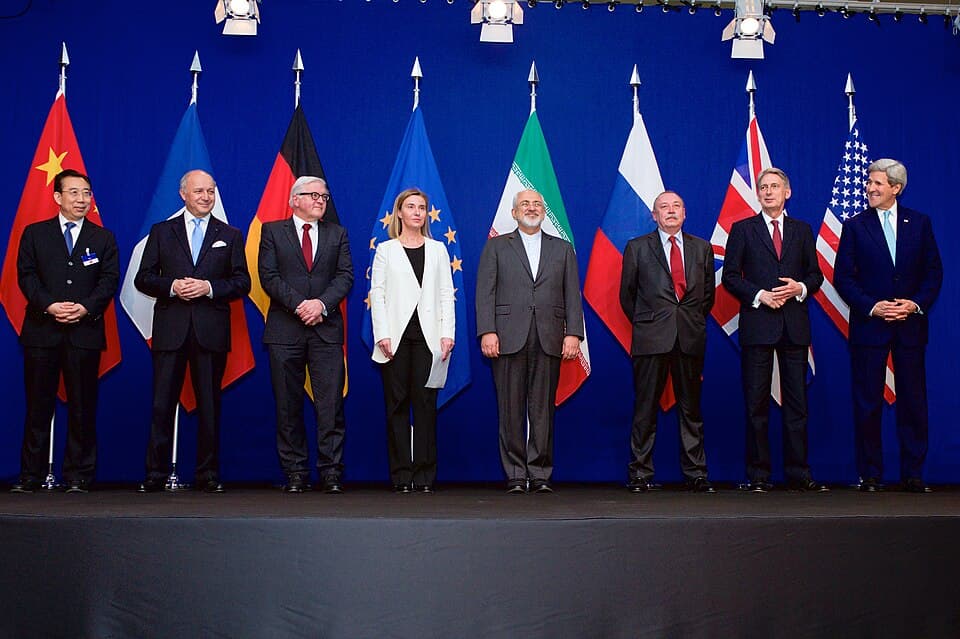
Diplomatic negotiations between Iran and Western powers have periodically reshaped global markets whenever a deal appears within reach. A formal agreement that lifts or eases sanctions on Iran would unlock one of the Middle East's largest economies and reintroduce substantial volumes of Iranian oil and gas into international supply chains. The downstream effects for European consumers and investors are multifaceted.
1. Energy Bills Could Fall
Iran holds some of the world's largest proven reserves of both oil and natural gas. Under a sanctions framework, Iranian exports have been heavily restricted, keeping those volumes off global markets. A credible peace agreement would allow Iran to ramp up production and exports, increasing overall supply. Basic commodity economics suggest that greater supply, assuming demand remains stable, places downward pressure on prices. European households, many of whom have faced elevated energy costs in recent years, could see some relief at the pump and on utility bills, though the scale and timeline of any reduction would depend on how quickly Iranian output recovers and how other major producers respond.
2. Petrol Prices at the Forecourt
Crude oil prices feed directly into retail fuel costs. Any sustained decline in the global oil benchmark price, driven partly by Iranian supply returning to market, would eventually be reflected in forecourt prices across Europe. The transmission is not immediate — refinery capacity, distribution logistics, and national tax structures all influence the final price — but a meaningful drop in crude would generally work its way through to consumers over weeks or months.
3. Stock Markets and Sector Exposure
Equity markets are sensitive to geopolitical developments, and a durable Iran deal would alter the risk calculus for several sectors. Energy company valuations, particularly those of European oil majors, could face headwinds if lower oil prices compress profit margins. Conversely, sectors that benefit from cheaper energy inputs — manufacturing, aviation, and logistics — may see improved earnings outlooks. Investors with exposure to Middle Eastern funds or emerging market portfolios would also need to reassess their positions, as Iranian assets could gradually become accessible to Western capital.
4. Trade and Export Opportunities
Iran's economy, long constrained by sanctions, represents a significant potential market for European exporters. Industries including automotive manufacturing, pharmaceuticals, agricultural equipment, and infrastructure development have historically viewed Iran as a target market. A sanctions rollback would reopen commercial pathways, creating opportunities for European businesses and potentially supporting employment in export-oriented sectors. European companies that previously maintained or built relationships with Iranian counterparts through legal channels would be positioned to move quickly.
5. Currency Markets and Safe-Haven Demand
Periods of Middle Eastern tension traditionally drive investors toward safe-haven assets such as the Swiss franc, gold, and German government bonds. A credible and lasting agreement with Iran would reduce one source of regional instability, potentially diminishing safe-haven demand and causing modest shifts in currency valuations. The euro could see some movement relative to the dollar depending on how markets interpret the broader geopolitical implications, particularly regarding U.S. foreign policy posture in the region.
Factors That Could Limit the Impact
The economic effects of any Iran agreement are not guaranteed. Implementation timelines, compliance verification mechanisms, and the political durability of any deal all introduce uncertainty. Previous agreements have unravelled, and markets have learned to discount diplomatic announcements until tangible changes in oil flows or trade volumes materialise. Additionally, decisions by OPEC member states — particularly Saudi Arabia — to adjust their own output in response to Iranian re-entry could offset some of the expected price effects.
For European households and investors, the practical advice is to monitor developments closely without making abrupt financial decisions based on preliminary diplomatic signals. The path from negotiation to economic normalisation is rarely linear.
Open Questions
How quickly could Iranian oil infrastructure return to full export capacity after a sanctions lift? Would OPEC counteract increased Iranian supply with production cuts? Which European industries would be first to re-establish commercial ties with Tehran?
Sources: U.S. Energy Information Administration (EIA) country profiles; International Energy Agency (IEA) oil market reports; European Commission trade statistics; World Bank Iran economic overview; OPEC annual statistical bulletins.
This article is based on a verified primary source. The text was editorially reviewed and fact-checked prior to publication.


