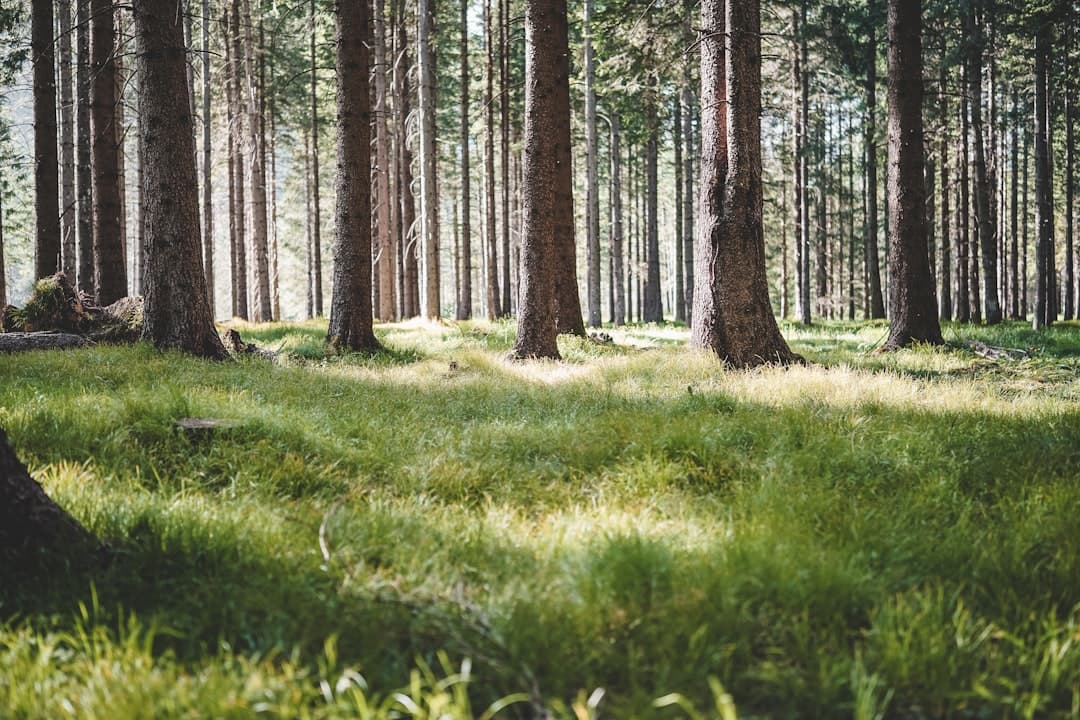
Finland's culinary identity has historically been shaped by its geography — boreal forests covering more than two-thirds of the country's landmass, thousands of lakes, and coastal stretches that together yield an exceptional range of wild ingredients. What was once subsistence foraging has gradually become a defining feature of Finnish fine dining.
A Larder Rooted in Landscape
Chanterelles, lingonberries, cloudberries, pine shoots, and wild garlic are among the most prominent ingredients drawn from Finland's natural environment. Under Finnish law, everyman's rights — known locally as jokamiehenoikeus — allow anyone to forage freely on public and private land alike, a legal framework that has historically embedded wild food collection into everyday life.
Helsinki's restaurant scene has positioned itself at the intersection of this tradition and contemporary cooking technique. Several establishments in the capital have built tasting menus structured almost entirely around seasonal wild produce, sourcing directly from forests and coastlines rather than through conventional supply chains.
Influence Beyond Finland
The broader New Nordic cuisine movement, which emerged in Scandinavia in the early 2000s, provided an international platform for foraging-based cooking. Finland's chefs and producers have contributed to that movement while developing a distinct regional voice, emphasizing ingredients specific to the Finnish boreal zone rather than a generalized Nordic aesthetic.
Wild herbs such as wood sorrel and meadowsweet, along with fermented birch sap and reindeer from Lapland, appear with increasing regularity on menus in both domestic and European restaurants drawing on Nordic inspiration.
Seasonality as Structure
Because wild ingredient availability is strictly seasonal, menus at foraging-focused restaurants change substantially across the year. Late summer brings the most abundant harvest, while winter menus rely heavily on preserved, fermented, and dried ingredients prepared during warmer months. This cycle imposes a natural structure on kitchen operations that differs markedly from supply chains reliant on imported or greenhouse-grown produce.
Open Questions
As demand for wild ingredients grows among high-end establishments, questions remain about sustainable harvesting practices, the capacity of natural ecosystems to support commercial-scale foraging, and whether the legal frameworks governing access to public land are equipped to address increasing commercial interest.
Sources: Finnish Forest Association (Metsäkeskus), Nordic Food Lab documentation, Visit Finland culinary resources, European Commission reports on everyman's rights frameworks.
This article is based on a verified primary source. The text was editorially reviewed and fact-checked prior to publication.