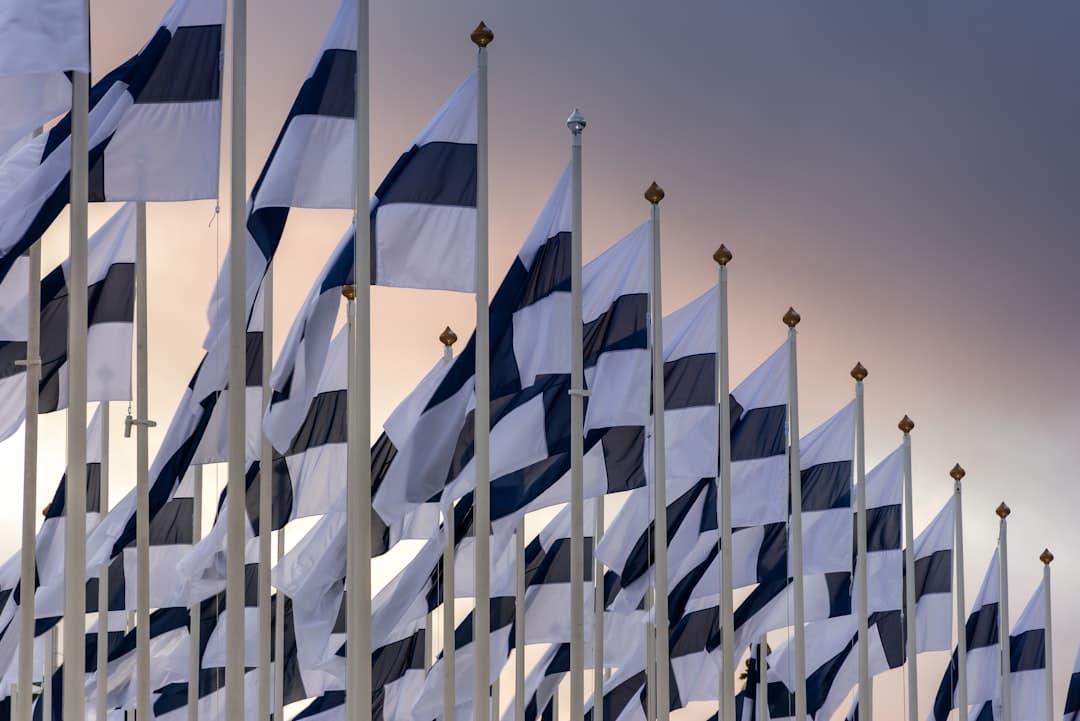
Finnish cuisine draws on centuries of Nordic tradition, combining foraged ingredients, freshwater fish, and hearty rye-based staples. Travelers exploring Finland encounter a food culture shaped by long winters, dense forests, and a close relationship with the land.
Staples of the Finnish Table
Rye bread, known locally as ruisleipä, forms the backbone of everyday Finnish eating. Dense, dark, and slightly sour, it appears at nearly every meal and is produced by bakeries across the country. Alongside it, karjalanpiirakka — Karelian pasties filled with rice porridge and encased in a thin rye crust — represent one of Finland's most recognizable contributions to Nordic food culture. They are commonly served with a mixture of butter and hard-boiled egg.
Fish and Forest
Finland's extensive network of lakes and rivers makes freshwater fish central to the national diet. Muikku, a small vendace fish, is typically pan-fried and served as a simple, popular dish particularly in the lakeland regions. Salmon, prepared smoked or grilled, also features prominently on restaurant menus and market stalls throughout the country.
Foraged ingredients play an equally significant role. Lingonberries, cloudberries, and chanterelle mushrooms are gathered seasonally and incorporated into both savory dishes and desserts. Lingonberry jam serves as a standard accompaniment to meat dishes, including lihapullat, Finnish-style meatballs.
Warming Winter Dishes
Cold-climate cooking is reflected in dishes such as lohikeitto, a creamy salmon soup prepared with potatoes, leeks, and dill. Hernekeitto, a thick pea soup traditionally consumed on Thursdays in Finland, has historical roots in military and working-class culture and remains widely eaten across generations.
For those with a preference for sweet preparations, korvapuusti — Finnish cinnamon rolls characterized by their distinctive ear-shaped form and cardamom flavoring — are available at virtually every café in the country and hold a strong cultural association with everyday Finnish life.
Open Questions
As international interest in Nordic food cultures grows, questions remain about how Finnish cuisine will evolve in urban restaurant settings while preserving regional and seasonal traditions.
Sources: Visit Finland (visitfinland.com), Nordic Food Lab documentation, Finnish Heritage Agency cultural records.
This article is based on a verified primary source. The text was editorially reviewed and fact-checked prior to publication.