Estonian cuisine is shaped by the country's geography, seasonal rhythms, and a long history of rural self-sufficiency. The dishes that define the national table are rooted in practicality — preserved, smoked, and fermented foods that sustained communities through harsh Baltic winters.
Staple Dishes and Ingredients
Mulgipuder, a thick porridge made from potatoes and barley groats, is considered one of Estonia's most emblematic dishes. Originating in the Mulgimaa region of southern Estonia, it is traditionally served with butter or pork fat and remains a common fixture at family tables and cultural festivals.
Verivorst, or blood sausage, holds a prominent place in Estonian food culture, particularly during the Christmas season. Made from barley, pork blood, and spices, it is typically served with sauerkraut and lingonberry jam. The dish carries significant cultural weight and is closely associated with winter holiday traditions.
Smoked fish, especially sprats and eel sourced from the Baltic Sea and inland lakes, has long been a dietary cornerstone. The smoking traditions practiced along Estonia's coastline and on its islands, particularly Saaremaa and Hiiumaa, are considered part of the country's intangible culinary heritage.
Bread and Dairy
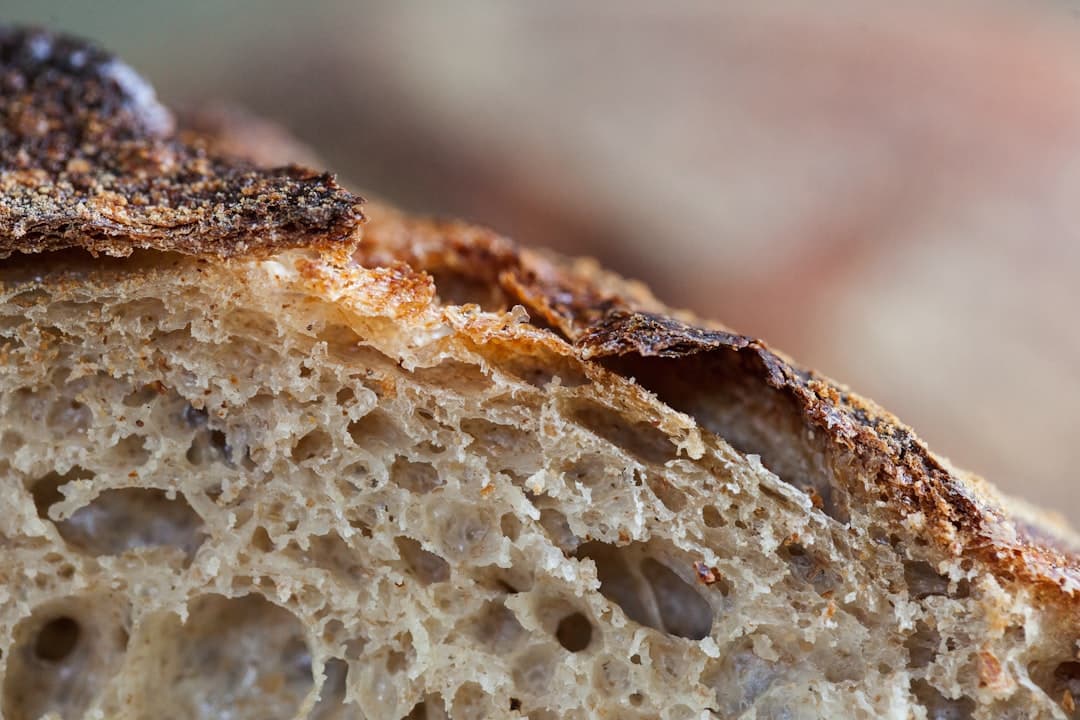
Estonian black bread, known as leib, is a dense sourdough rye bread that functions as a daily staple rather than a specialty item. It has been recognized as a cultural symbol of Estonian identity and is produced by both artisan bakeries and industrial operations across the country.
Kohuke, a glazed curd snack coated in chocolate, is a widely consumed product that has become something of a national comfort food. Available in most grocery stores and petrol stations, it represents the dairy-forward character of Estonian food more broadly.
Foraging and Seasonal Traditions
Wild mushrooms and berries — including bilberries, cloudberries, and chanterelles — are gathered seasonally and incorporated into soups, preserves, and side dishes. Foraging remains a common practice and is considered a cultural activity as much as a culinary one.
Open Questions
Whether Estonia's growing restaurant scene in Tallinn will significantly reshape perceptions of its traditional cuisine on the international stage remains an open area of observation for food culture analysts.
Sources: Estonian Institute, Visit Estonia (visitestonia.com), UNESCO Intangible Cultural Heritage records, Nordic Food Lab documentation
This article is based on a verified primary source. The text was editorially reviewed and fact-checked prior to publication.